
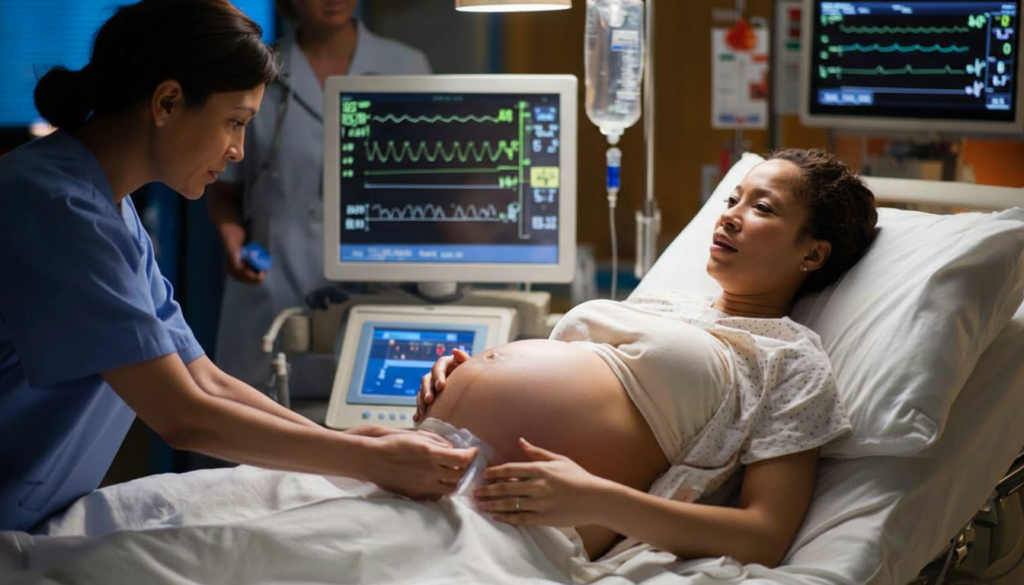
New research from the UK suggests that epidural anaesthesia, which has long been debated for its pros and cons during labour, may also protect women from serious medical problems, especially those who are most vulnerable.
A change in how people think about epidurals: from comfort to protection
People have mostly talked about the epidural in terms of comfort: do you want strong pain relief during labour or not? That talk is starting to seem too limited. The medical journal published a large study in 2024. The BMJ looked at over 567,000 births in Scotland. Researchers looked at women who were already at a higher risk, such as those who were severely obese, had heart disease, pre-eclampsia, or had multiple pregnancies, among other things. The tracked complications were not small problems. They included serious bleeding, infections that could kill, and organ failure that happened in the weeks after giving birth. The protective link seemed to be strongest for women who gave birth early, since they are often less physically ready to handle a long and difficult labour.
Before labour: finding at-risk mothers sooner
The results support what many obstetric and anaesthesia teams already think: the story starts long before the first contraction. Some women come into pregnancy with a lot of medical problems. Conditions like:

cardiovascular disease (like cardiomyopathy or high blood pressure that lasts a long time)
very overweight
multiple pregnancies (twins, triplets) pre-eclampsia or problems with previous pregnancies
All of these things change how well the body handles the stress of labour and birth. Their heart has to work harder. Blood pressure may change more quickly. The body’s ability to clot becomes weaker. In this situation, the epidural is no longer just a way to make things more comfortable. It starts to look like part of a planned medical plan. An epidural can help stabilise the autonomic nervous system, which controls heart rate, blood vessel tone, and stress responses, by partially blocking pain signals in the lower body.
The cardiovascular system may not have as many dangerous peaks and crashes if there is less severe pain and less stress hormone surges.
This doesn’t mean that an epidural is a magic shield. But it gives doctors another tool to help an already weak body, especially if they know about risk factors during pregnancy and talk about them with the woman long before labour starts.
How an epidural might lower the risk of problems during labour
Physiology can change every minute in the delivery room. Contractions change how blood flows. Stress hormones rise when you’re in pain or scared. Your blood pressure and heart rate can go up and down. That rollercoaster is important for women whose hearts or blood vessels are weak.
Nervous system is calmer, numbers are steadier.
An epidural works on the spinal nerves that send pain signals from the uterus and birth canal. Once it’s in place and working well, it:
It lowers the strength of pain signals that get to the brain, lowers adrenaline and other stress hormones, often makes breathing steadier and more controlled, and can help keep blood pressure and heart rate more stable.
This just makes labour easier for a lot of low-risk women. For some women who are at high risk, being calmer could mean fewer surges that could lead to a crisis, like a heart event or a sudden rise in blood pressure that could damage the brain or kidneys.
Effects on the quality of care
The Scottish study also made an interesting point: epidurals might improve outcomes in an indirect way by changing how care is given to the patient. That makes sense in real life. Once the epidural is in place, the anaesthetist is officially involved. Midwives and obstetricians usually pay more attention to vital signs, fluid balance, and the health of the foetus. Lines and access for emergency drugs are usually already in place. Another important point: an epidural that is working can be “topped up” for an emergency caesarean, which means that general anaesthesia doesn’t have to be given right away. If you don’t have to have emergency general anaesthesia, you are less likely to have problems with your airway or a big drop in blood pressure, especially if you have heart or lung disease.

After birth: a very important six-week period
The research extended beyond the delivery room threshold. The researchers examined complications occurring in the weeks subsequent to birth, a timeframe that frequently lacks public scrutiny. There are risks that come with the first six weeks after giving birth. The blood is more likely to clot, which makes the chances of having a stroke or pulmonary embolism higher. The immune system changes, which can lead to serious infections. Changes in fluid levels can show heart problems that were previously hidden. Recent data indicate that the stabilising effect of an epidural during labour, coupled with enhanced monitoring at the time of birth, may diminish the likelihood of subsequent complications. By stopping or limiting things like huge bleeding or uncontrolled blood pressure spikes during labour, the woman’s body is less damaged when she gives birth.
Deaths of mothers and big differences
The bigger picture is scary. The US federal data showed that 817 mothers died in 2022, which is 22.3 deaths per 100,000 live births. The load is not the same for everyone. For Black women, the rate was 49.5 deaths per 100,000, which is more than twice the national average. These gaps are caused by problems with the system, such as not being able to get to antenatal care as easily, not recognising symptoms right away, and not getting the same level of pain relief and emergency care. Talks about epidurals happen in that unfair world. Some reports, including articles in well-known magazines, say that women from marginalised groups are less likely to have their pain taken seriously or to get epidurals later in labour, if at all. This poses a challenging inquiry: if epidurals correlate with reduced severe morbidity in high-risk women, who is being deprived?
Could more people being able to get epidurals lower the risk?
The new information won’t end all the debates about epidurals. Some women really want to give birth without drugs. Some people are cautious because they’ve heard different things from friends or on social media. There are still real concerns about side effects like temporary drops in blood pressure, trouble moving, or longer pushing phases. But for women who are more likely to get sick, the equation is changing. When doctors can talk about not only the benefits of pain relief but also the possible risks, consent talks become more complicated.
An epidural may help a woman with pre-eclampsia keep her blood pressure from going up and down too much.
It may help someone with heart disease avoid putting too much strain on their heart during long, hard labour.
If a mother with twins needs an emergency caesarean section at 34 weeks, it might be easier for her.
More than just having the drugs available is what expanding access means. It means having anaesthetists on duty all the time, telling women about their options during pregnancy instead of during contractions, and making sure that women from all ethnic and social backgrounds are treated with the same respect and given the same options.
Words that parents often want to know about
The jargon can be scary for families who are planning a birth. When you read this kind of research, these words are important:
Severe maternal morbidity: serious health problems that happen during pregnancy or childbirth and can be life-threatening or cause long-term damage, such as major haemorrhage, organ failure, or sepsis.
An epidural is a local anaesthetic and sometimes an opioid drug that is injected through a small catheter near the spinal cord. It numbs nerves in the lower body while usually keeping the mother awake and able to participate.
Pre-eclampsia is a pregnancy-related condition that causes high blood pressure and signs of organ stress, usually in the liver or kidneys.
What this could mean in real life work situations
Imagine a woman who is very overweight and has high blood pressure coming in early labour. In the past, people might have asked, “Do you want pain relief?” when they were thinking about getting an epidural. If we were more focused on risk, the conversation might go like this: “Because of your blood pressure and weight, an epidural could help us keep your heart and circulation more stable, and it would make an emergency caesarean less risky if we had to move quickly.” Or think about a 35-week-pregnant woman who is having twins and showing early signs of pre-eclampsia. Without an epidural, a quick decline could mean a crash caesarean under general anaesthesia. There is more room to act quickly, change medications, and lower the chance of an emergency getting out of hand because she already has an epidural and a close-knit team watching her.
Finding a balance between risks, benefits, and personal values
There is no way to give birth without taking risks, and an epidural is no different. It can make your blood pressure drop, give you a fever, or give you a headache for a short time. Very rarely, problems like nerve damage or a serious infection happen. Women also think about emotional things, like wanting to feel everything in their body or be able to walk while they are in labour. For a lot of families, the best way to do things is to mix medical information with their own beliefs. That might mean talking about how an epidural fits into a bigger plan during pregnancy, like keeping blood pressure under control, stopping bleeding, and quickly responding if the baby shows signs of distress. When used this way, the epidural is just one part of a larger plan to keep mothers safe, not just a yes-or-no question about pain relief.