
The snow starts to fall at 4:37 p.m. It’s a soft blur against the streetlights, the kind that makes everything look softer than it really is. Almost at the same time, phones light up with emergency alerts, push notifications from local news apps, and the city’s nervous voice vibrating in everyone’s pocket. “Tonight, heavy snow is expected. Don’t travel unless you have to. “Stay home.”
It’s colder in the grocery store parking lot than it is in the air. One driver laughs and shakes his head, another swears under her breath, and a delivery guy angrily scrolls through Facebook comments between orders. Is this smart caution or just another way to control people’s lives?
The sky is getting darker and darker.

The argument is getting louder.
Roads, danger, and a warning that struck a nerve
By early evening, a thin white crust is already forming on side streets, but the main road still looks wet and safe. Traffic moves slowly under a grey, low ceiling of clouds. The wipers squeak and the radios are tuned to weather reports. Officials keep saying the same thing on the air: “Stay home if you don’t have to be on the road tonight.”
For some people who drive, this makes sense. For some people, it feels like a moral lesson from the back seat. On social media, messages from angry business owners and nurses who just can’t decide not to go in keep coming in.
You can see the fight happening right now in any local Facebook group. A café owner puts up a picture of an empty dining room and says, “City says stay home, so Friday night is out.” A truck driver says that this kind of warning is “fearmongering, plain and simple.” Then, a paramedic writes about a crash she worked on last year on a night like this one, when a family lost control of their car on a bridge that “looked fine.”
The arguments aren’t vague. They’re about rent due next week, shifts that don’t go away just because it snows, and memories of accidents that happened on roads that looked perfectly fine.
Officials say they can’t do anything because of the numbers. Last winter, in some areas, the number of accidents went up on nights with a lot of snow when people didn’t realise how bad the conditions were. Crews can salt and plough, but there’s always that dangerous time when they haven’t caught up yet, when black ice hides under slush and turning the wheel half a second too late can be deadly.
Residents see a pattern: stronger language, brighter alerts, and harsher advice. Every storm turns into a small crisis, and some people feel like they are being treated like kids who can’t be trusted to make their own decisions. It’s not just the snow that’s causing the stress; it’s also who gets to decide what “reasonable risk” means in real life.
How to deal with the warnings without going crazy
A simple question, “What happens if I don’t go?” is a good place to start when things get noisy. Not just in theory, but in real life. If you have to stay home tonight and miss a casual dinner, that’s not the same as missing a shift that pays this month’s bills. That calm, honest list of what will happen is better than yelling at a push alert.
After you answer it, think of the official warning as a strong suggestion, not a law. Include the weather radar, the time of the forecast, the kind of car you drive, how much snow you’ve driven in, and your route. The picture gets clearer and less emotional.

We’ve all been there, that moment when pride wants to take the keys just to show that “they” are overreacting. That’s when mistakes usually happen. The other common trap is the opposite: treating every alert like the end of the world and getting anxious at the first snowflake.
Life in the real world is in the middle. Cancel things that can wait, move plans up, group your errands, and be honest with your boss. *If you drive, drive like you’re five minutes late, not thirty. And if you stay home, don’t spend the night scrolling through angry comments as if it were your civic duty.
Marco, a road maintenance supervisor who has watched storms roll in for 22 winters, says, “Last year we begged people to stay off the highway after 9 p.m.” “We told them what to do, but they didn’t listen. We spent the night pulling cars out of ditches.” We use stronger words this year, and all of a sudden we’re being accused of making people panic. The respect we’re all looking for is somewhere in the middle.
Before making a choice, look at both a local forecast and live traffic maps.
Are you going out because you have to or to make a point? Separate your ego from your needs.
Instead of cancelling everything, change your plans: leave earlier, take safer routes, and slow things down.
Make a “snow plan” with your job well in advance of the storm.
In your car, you should keep a scraper, a blanket, a phone charger, a small shovel, and a reflective vest.
A storm, a system, and the question that no one can agree on
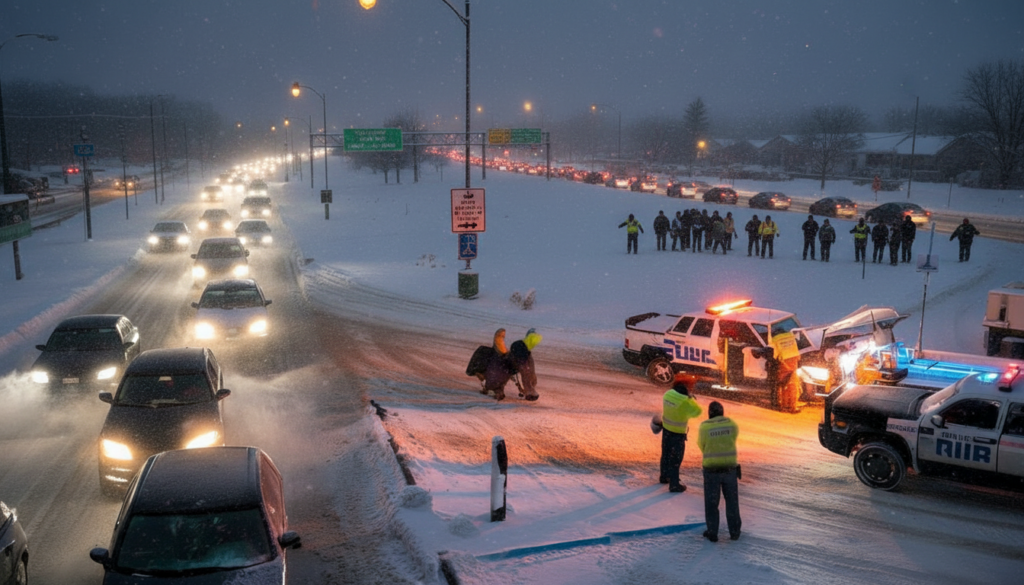
By midnight, the snow is falling hard and fast, covering up road signs and making the whole city quiet. For some, the officials will have been right: the highway is a mess, with jackknifed trucks on the news and blue lights flashing against a wall of white flakes. For some people, the streets in their neighbourhood are just a quiet, manageable winter night, and when they wake up, they’ll be sure that the warning was once again too much.
There isn’t one answer that works for every job, street, or life. The simple truth is that people want both safety and freedom at the same time. Storms make us choose which one is more important for a few hours. The frustration comes from the feeling that faraway voices reading scripts are making choices for us.
The real work may not start until the next alert goes off. Cities using simple language to explain their warning levels. Employers making rules that are flexible and don’t punish being careful. Instead of giving each other hot takes, neighbours should share rides. To be honest, no one really reads every safety guideline or follows best practices every day. But when the sky turns white and the phone lights up again, we’re all back to the same question: who do we trust more, what we see on the windscreen or what people tell us to do?
Important point Detail Value for the reader
Storm alerts are not very usefulOfficials use strong language to cut down on crashes in a short, dangerous time frame.Even if the warnings seem overblown, this helps you understand where they come from.
Personal context matters. The type of job you have, the route you take, the car you drive, and your experience all affect whether staying home is realistic.Encourages you to think about your choices carefully instead of acting on impulse
Preparation makes the conflict easier.Planning with employers, looking at several sources, and changing the timingGives you real-world ways to be safer without feeling like you’re being watched all the time.