
You are at the supermarket, looking at a wall of yogurt. Greek, coconut, low-fat, no-fat, protein-plus, and flavors you didn’t even know were out there. Your mind is heavy, but your basket is light. You had a long day, you’re hungry, and choosing between “forest berries” and “mountain berries” seems like the last straw.
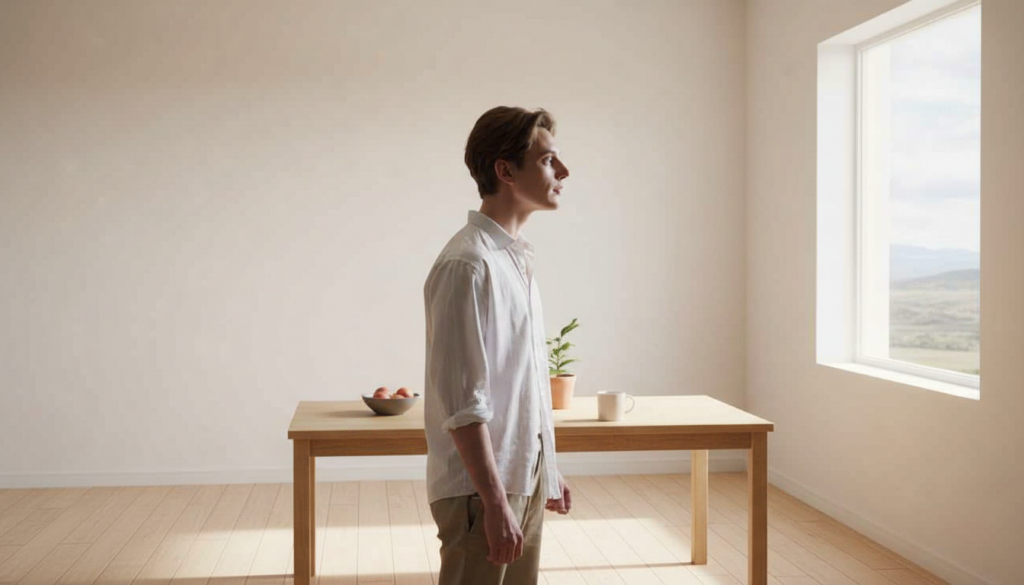
You choose something at random, leave, and feel weirdly tired over something that should be easy.
You realize that your whole day was like that yogurt shelf on the way home. Every notification, every tab on your browser, and every “small decision” quietly taxed your mind.
 Everyone throws it in the trash, but for your plants, it’s pure gold and nobody cares about it
The thought hits you in the chest like a rock.
Why having fewer options feels good
There’s a reason why your brain feels better when someone else says, “Let’s just order pizza.”
Yes, our minds are made to make decisions, but not all the time. Every little choice takes a few drops of energy from the same mental tank you need for real problems. Clothes, breakfast, routes, playlists, replies, apps, and settings. At first, it doesn’t seem like a big deal, but by noon your head is buzzing.
Thinking harder doesn’t always help you see things clearly. It can show up when you have less to think about.
A few years ago, I talked to a young marketing manager who told me about her breaking point. She said she wasn’t tired of big projects. She was tired of making “a thousand dumb decisions a day.” What to wear to look “professional but not too serious.” When to reply to each email. Which of the twelve productivity apps should I use?
One night, before a casual dinner, she found herself crying in front of her closet. Everything seemed wrong, even though nothing was. She finally made a big change: she cut her wardrobe in half, deleted most of her apps, and ate the same breakfast every day for a week. She said she felt “like I’d taken a fog out of my skull” after a month.
What she was going through was called “decision fatigue.” Your brain has a small number of mental resources that it uses to make decisions, judge things, and resist impulses. Each time you choose between ten things instead of two, the pool gets a little smaller.
By the afternoon, you’re more likely to say yes when you meant no, snap at someone you like, or scroll for an hour just to avoid making a decision. The paradox is harsh: more freedom means less clarity.
You are not being rigid when you cut down on the number of choices you have to make every day. You’re letting your mind focus on what’s really important.

Simple ways to shrink your daily decision menu
Start with the “boring” parts of your day, the ones that secretly take up your mind.
Choose a weekday uniform: three to five outfits that you wear without thinking about it. You can have the same style in different colors if you want. Set a breakfast that works for you most days as your default. Choose one morning routine: wake up, drink water, take a shower, and have coffee, or make your own.
When you think of these choices as “pre-decided,” you make things easier. You don’t have to negotiate with yourself from the first minute of your day. You just wake up and get on with it.
One common mistake is to try to make everything easier at once. You clean out your closet, change your schedule, delete 40 apps, and start a new routine. By Friday, you’re tired and confused. The mind likes things to be in order, but it doesn’t like things that look like order but aren’t.
Go small. One room, one habit, and one category at a time. You could start by limiting the number of apps on your smartphone’s home screen to nine. Or you choose to have lunch with three different options instead of thirty. At first, you’ll feel a strange resistance, as if you’re losing your freedom. That’s just your brain complaining because it wants something new. It usually stops bothering you after a week.
You will really understand when you stop trying out every option and start trusting a few good ones.
Choose your “default” choices.
Choose your clothes, meals, and routes for busy days so you don’t have to come up with new ones every morning.
Limit zones where there are too many options
Make streaming watchlists, app icons, and saved tabs smaller so the choice doesn’t feel like too much.
Set aside fixed “no-decision” times
In the first hour of your day, stick to a simple, repeatable routine without changing it all the time.
Set limits ahead of time
Make rules like “no work messages after 8 p.m.” so you don’t have to argue with yourself about it every night.
Make one space very simple
Clear off your desk, bedside table, or kitchen counter and only keep what you use every day. This will help you feel better right away.
Having fewer choices without feeling trapped
At some point, you start to wonder, “Am I just making my life smaller by limiting my options?”
The answer is in how it feels in your body. When you have a lot of small decisions to make during the day, your mind is like a laptop with too many tabs open. When you take some of that away, you often see a strange difference: your schedule is tighter, but your mind is more open.
You don’t think about ten different kinds of coffee anymore. You suddenly start to wonder what kind of life you’re really building. That’s not smaller. That’s sharper.
| Key point | Detail | Value for the reader |
|---|---|---|
| Fewer daily choices | Pre-decided outfits, meals, and routines reduce decision fatigue | More energy left for work, creativity, and relationships |
| Simple environments | Less visual and digital clutter lowers mental noise | Faster focus, calmer nervous system, clearer thinking |
| Intentional defaults | Personal rules and habits act as autopilot for small decisions | Stronger boundaries and more consistent follow-through |
Frequently Asked Questions:
Question 1: Won’t having fewer options make my life dull?
People usually feel more open, not more bored, in real life. You’re getting rid of noise, not happiness. When you make the same choices about socks and snacks over and over, you can put your curiosity into things that really matter to you, like projects, relationships, and experiences.
Question 2: How do I begin simplifying without going too far?
Choose one thing that makes you feel heavy: your clothes, your meals, your apps, or your schedule. Cut your choices down by 20 to 30 percent, then live with that for two weeks. Make changes slowly. Let’s be honest: no one really does a full minimalist overhaul in one perfect weekend.
What if I like variety and doing things on the spur of the moment?
Keep things interesting where they give you energy, and add structure where they take it away. You could set a simple schedule for the weekdays and leave the weekends open. Or make breakfast and lunch, and then go crazy with dinners and trips.
Question 4: Can having fewer options really help with anxiety?
Yes, for a lot of people. When you can choose anything, every moment feels like a test. Decisions that are clear and already made cut down on second-guessing and worrying. That being said, anxiety is complicated; if it’s strong or always there, it’s worth getting help from a professional.
Question 5: How long will it take for me to notice a difference?
A week or so. Your focus and mood usually get better when your brain realizes it doesn’t have to think about every little thing. If you want the fastest results, start with your mornings and your digital life.