
Let’s face it—effortless beauty often isn’t as effortless as it looks. The hairstyles and makeup looks that appear completely natural usually require a surprising amount of work behind the scenes. That’s why when I first noticed “ghost waves” (a term created by hairstylist Tom Smith) taking over social media as the ultimate low-maintenance summer hairstyle, I was skeptical. Soft, barely visible bends that look naturally perfect? For anyone with textured or curly hair, that can sound like a style that demands multiple tools and plenty of effort.
To find out whether ghost waves really live up to their easy-going reputation, I turned to Smith himself. Surprisingly, he explained that this relaxed hairstyle can be adapted to every hair texture, from straight strands to tight coils, with minimal fuss. Below, he shares exactly how to create the look at home.
What Are Ghost Waves, and Why Are They Trending Right Now?
According to Smith, ghost waves are “soft, subtle, S-shaped waves” that create an undone, effortless finish. The look perfectly captures the relaxed bohemian spirit that has returned to fashion, pairing beautifully with flowing fabrics, vintage-inspired silhouettes, and carefree styling.
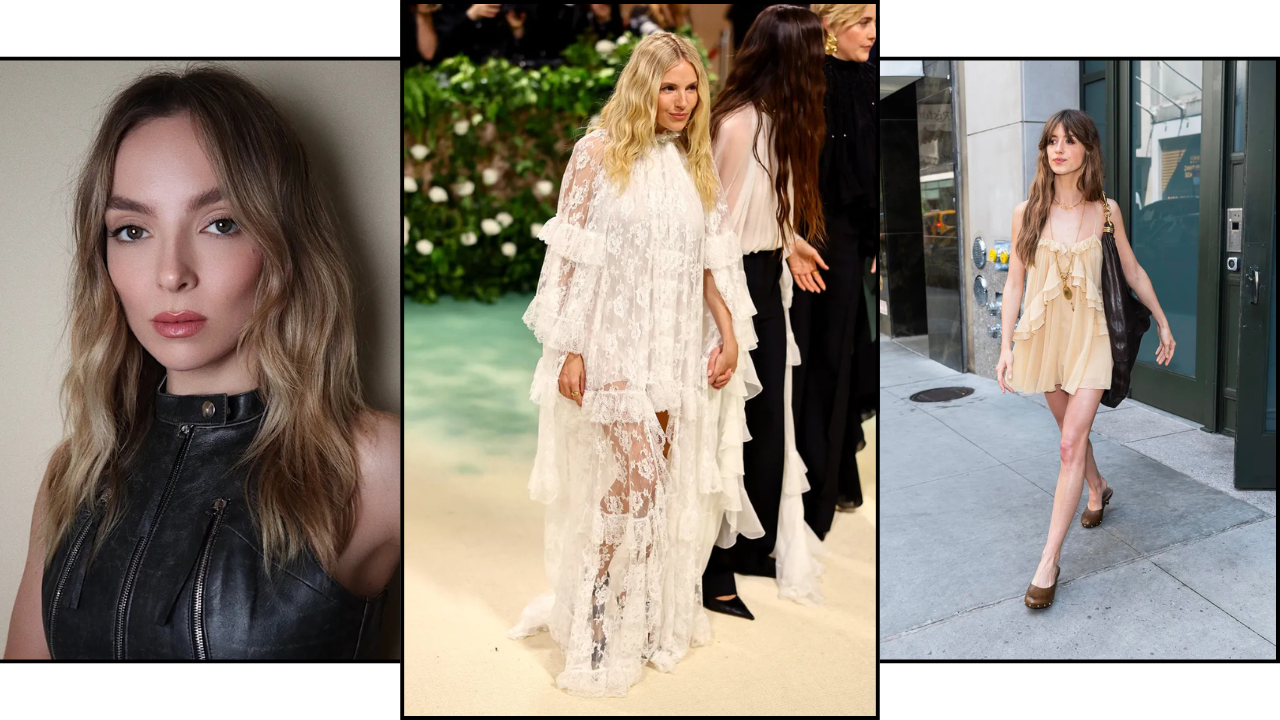
Over the past year, stars such as Sienna Miller, Zoe Saldaña, and Daisy Edgar-Jones have all embraced this understated wave pattern while wearing boho-inspired Chloé looks. Their appearance helped cement ghost waves as one of the most desirable hair trends of the moment.
“The name comes from the fact that the technique is almost invisible,” Smith explains. “You can’t immediately tell whether the hair was styled with a curling iron, straightener, or blowout. The texture is very subtle. It’s more of a whisper than a statement.”
He also notes that ghost waves fit naturally into the quiet luxury movement. Unlike highly polished, dramatic hairstyles, this trend focuses on softness, movement, and natural-looking texture.
Although ghost waves are typically defined by gentle bends in the hair, the style can be customized to suit different textures. The overall goal is simply to create an easy, bohemian feel. Smith recommends a centre parting to enhance that relaxed appearance, though he points out that it doesn’t need to be perfectly symmetrical.
“An imperfect middle part can actually make the style feel even more effortless,” he says.
Ghost Waves Inspiration
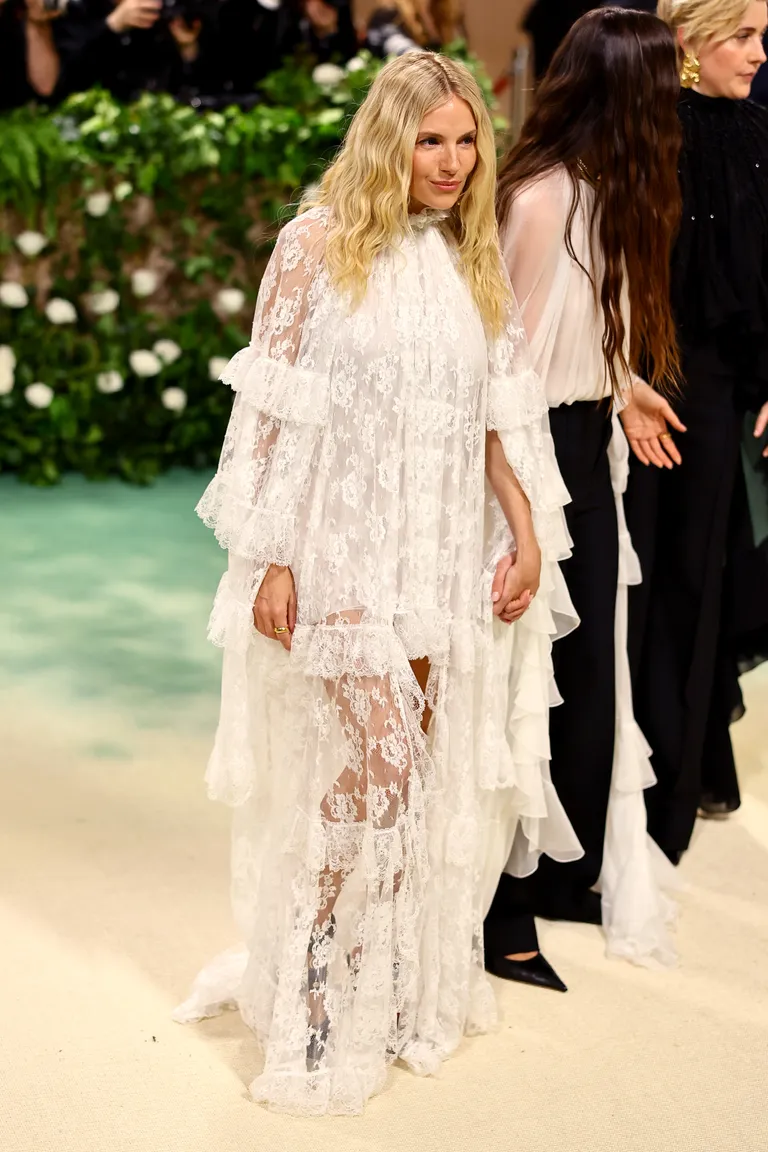
Sienna Miller continues to be one of the strongest examples of modern boho-inspired ghost waves.
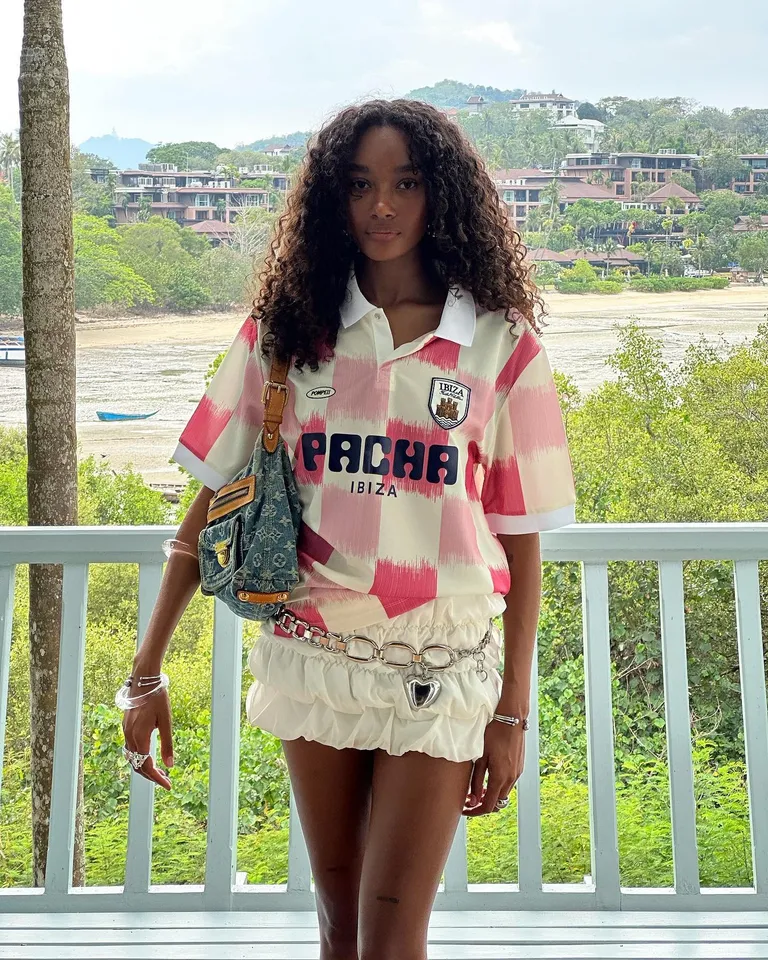
A naturally curlier interpretation of ghost waves demonstrates how adaptable the trend can be across different hair textures.
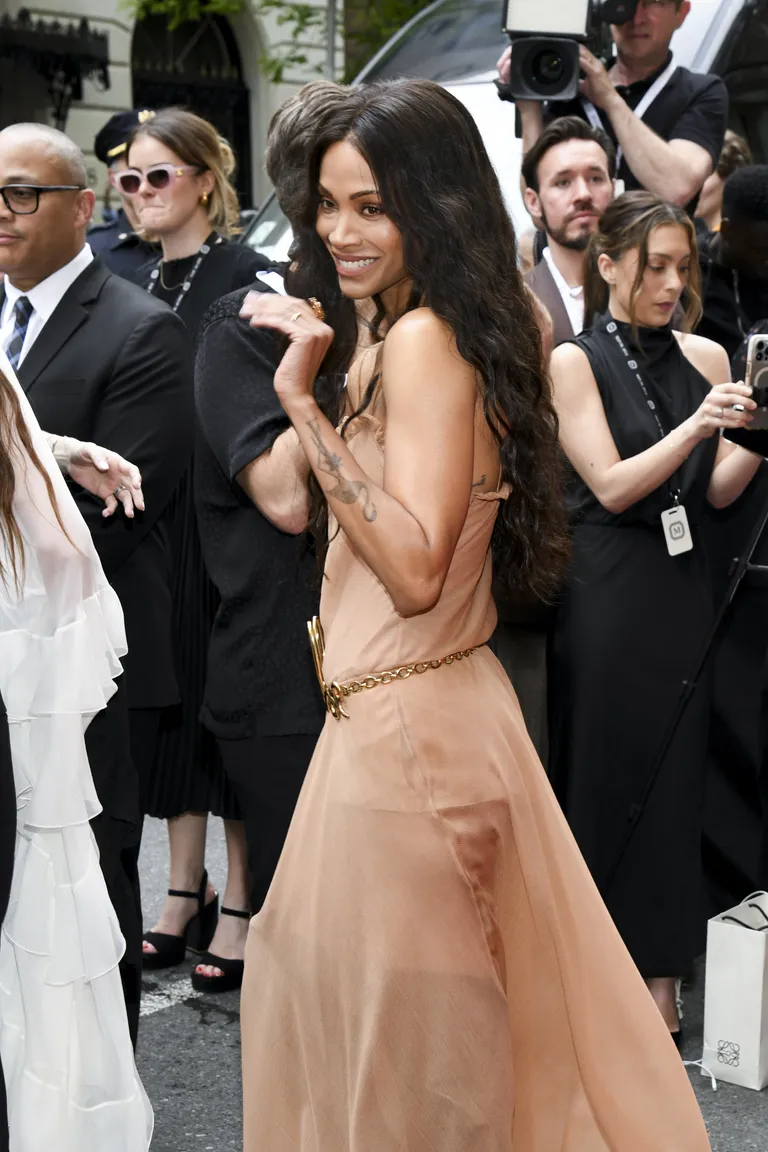
Zoe Saldaña complemented her Chloé look at the 2024 Met Gala with soft, flowing ghost waves.
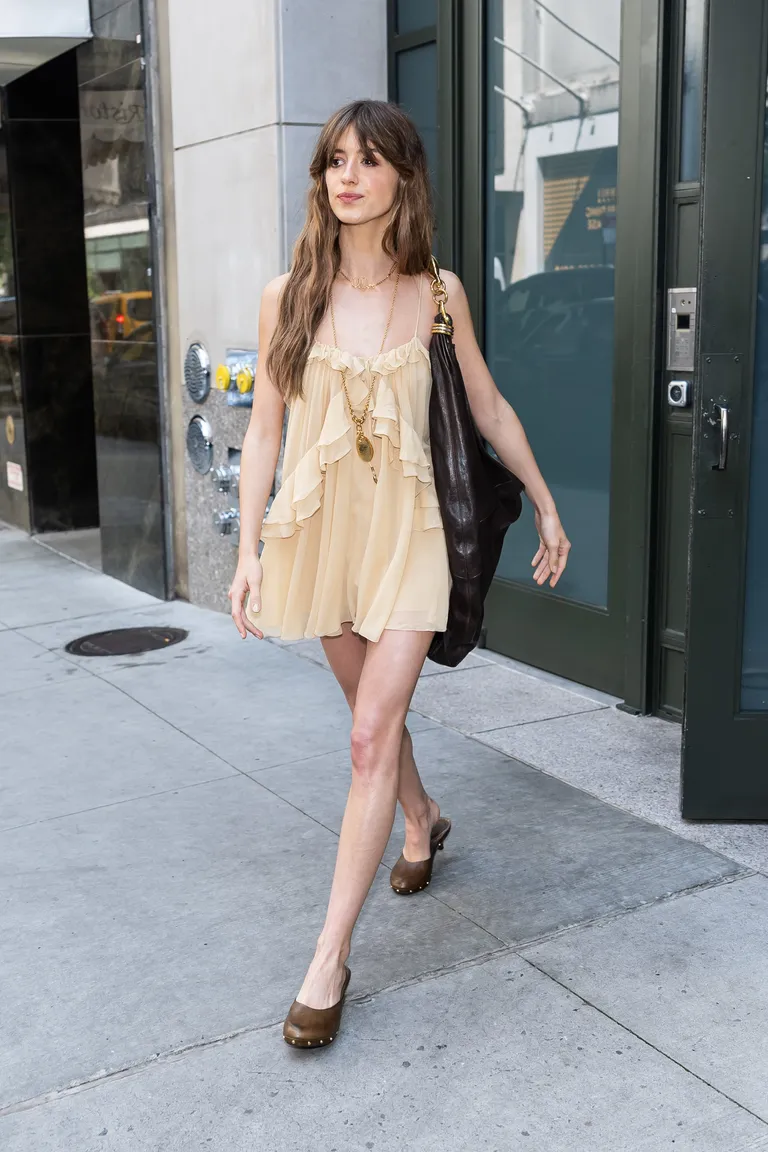
Daisy Edgar-Jones delivered a complete boho-inspired look with relaxed waves that perfectly embodied the trend.
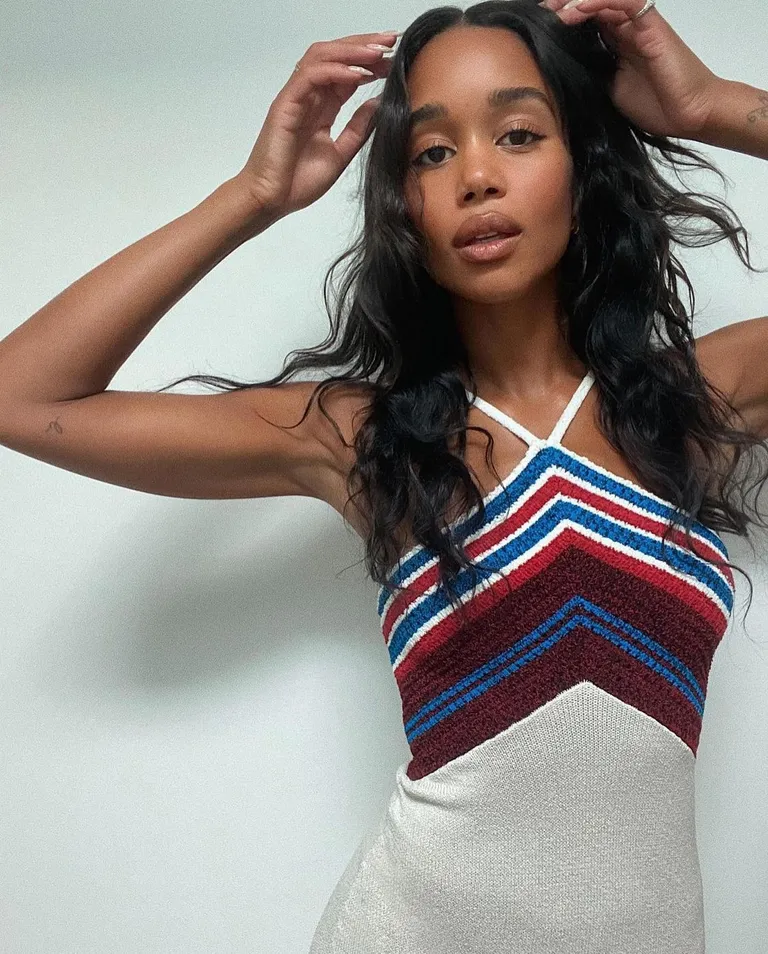
Laura Harrier showcased beautifully tousled waves with a naturally undone finish.
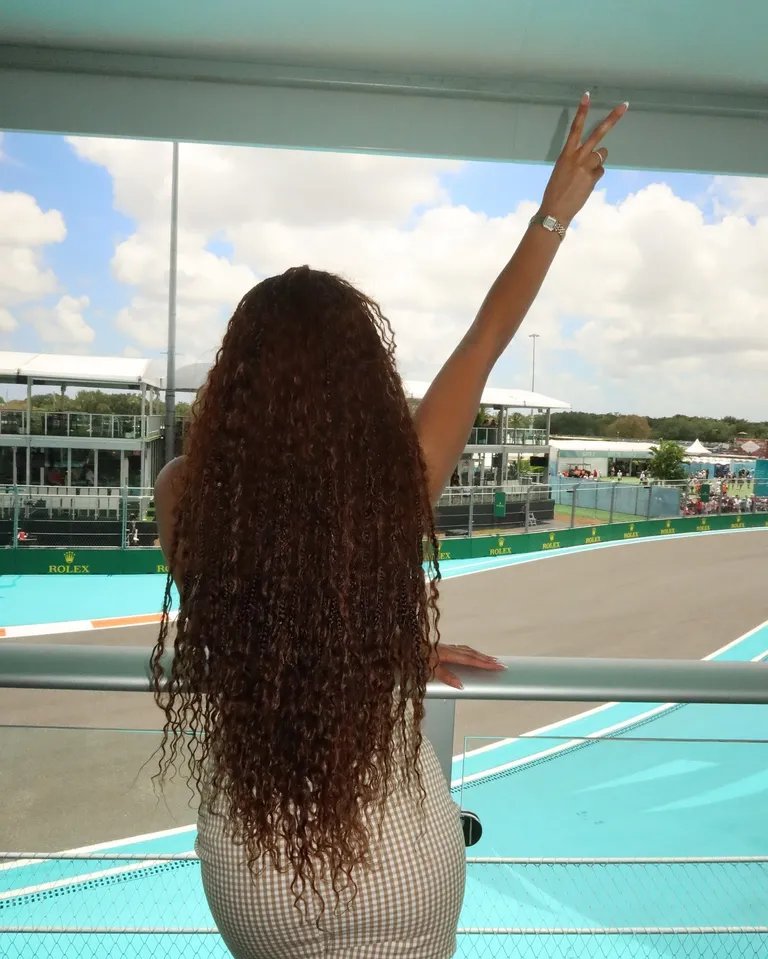
Ghost waves also pair effortlessly with mermaid-style braids for a romantic aesthetic.
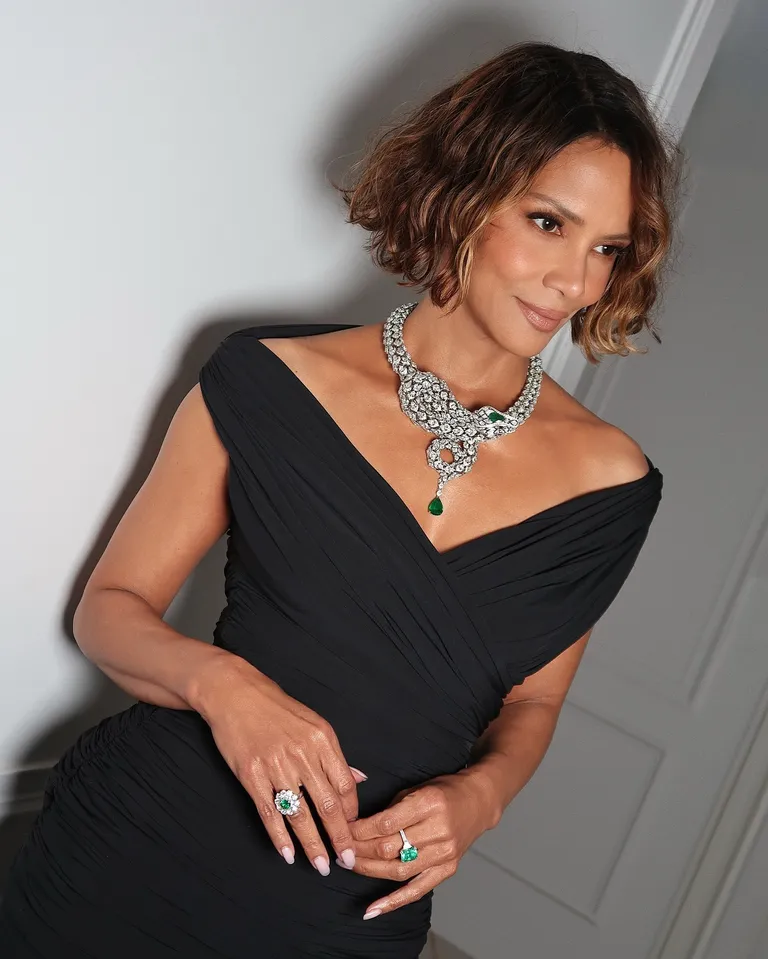
Even a textured French bob, like Halle Berry’s version, works beautifully with this trend.
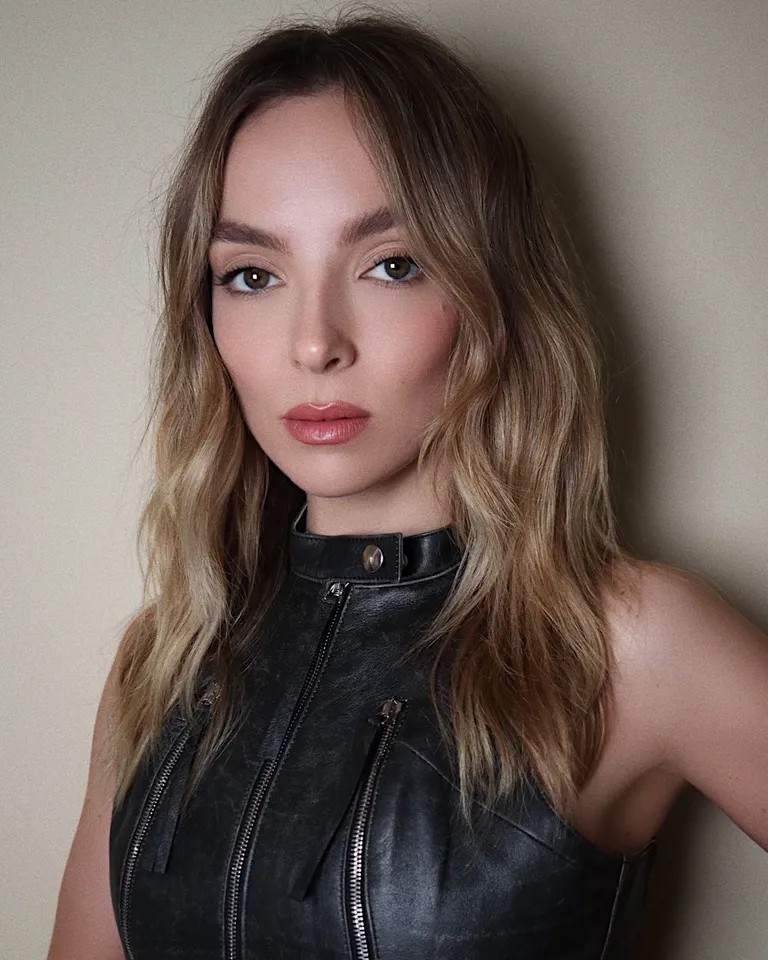
Adding face-framing layers can further enhance the softness and movement of ghost waves, as seen on Jodie Comer.
How to Achieve Ghost Waves at Home
“There are two main ways I approach ghost waves,” says Smith. “One method focuses on air-drying, while the other uses hot tools.”
Below, he explains how each technique can be adapted to different hair types.
Air-Dried Ghost Waves
Straight Hair Types
For straighter hair textures, particularly types 1a through 2a, braiding is often the easiest route to achieving soft bends.
“Braids work especially well on thicker straight hair,” Smith explains. “Very fine straight hair can sometimes develop a crimped appearance, so looser braids are usually better.”
Before braiding, prepare the hair with lightweight hydrating products such as leave-in conditioners or sea salt sprays. These products add texture without making the hair heavy.
Create either one loose braid or two simple plaits and leave them overnight. Smith advises against braiding soaking-wet hair because it may not fully dry while you sleep.
By morning, the hair should reveal a soft, natural-looking bend that forms the foundation of ghost waves.
Wavy-Curly Hair Types
“Anyone with natural waves or loose curls already has the foundation for ghost waves,” says Smith. “The key is preparation.”
For wave patterns that tend to lose definition quickly, he recommends applying a combination of moisture and strong hold. Mousses and gels work particularly well because they help strengthen the natural texture while maintaining flexibility.
Apply your chosen product to freshly washed, towel-dried hair and gently scrunch it through the strands. Avoid brushing the product evenly throughout the hair, as this can disrupt the natural wave pattern. Allow the hair to air-dry completely.
Once dry, gently scrunch again to soften any crunchy areas. Then flip your head upside down and mist a texture spray throughout the hair to create airy volume and movement.
If additional fullness is needed, a small amount of styling powder at the roots can help boost body and definition.
For curls and waves that naturally maintain their shape, Smith suggests using richer moisturising products with lighter hold. Creams, oils, and balms can nourish the hair while encouraging a softer finish.
Brush the product through the texture, then gently shake the hair instead of scrunching it. Allow it to dry untouched for the best results.
“Once the hair is fully dry, you can shake and fluff it as much as you like while maintaining control over the final shape,” Smith explains.
Curly Coily Hair Types
For tighter curl patterns and coily textures, ghost waves will naturally appear more textured and defined.
“If you’re aiming for a looser, early-2010s style wave, you would first need to straighten the hair with a silk press and then add the bends,” Smith says.
However, he points out that ghost waves can simply represent an enhanced version of your natural texture.
For this approach, begin with freshly washed hair and apply nourishing creams, oils, or balms. Gently stretch sections using your fingers or a paddle brush before creating two-strand or three-strand twists.
“The larger the sections, the looser the finished wave will be,” Smith notes.
Leave the twists overnight and unravel them only once they are completely dry.
The result is a softer, curlier interpretation of ghost waves that respects and celebrates natural texture.
Ghost Waves Using Hot Tools
While ghost waves are rooted in natural texture, hot tools can help create a more consistent result when desired.
Start by applying a generous amount of heat protectant. Then smooth the hair using your preferred technique, whether that’s a blow-dry, silk press, or straightening session.
Smith recommends using a flat iron, particularly the Dyson Corrale, to create subtle bends throughout the hair.
Work in sections and gently bend the hair in one direction as though beginning a curl. Release the strand, allow it to cool briefly, then bend the same section in the opposite direction.
Continue alternating directions while pausing between each movement.
The goal is to suggest a wave pattern rather than create a fully defined curl. Keep the sections irregular to maintain the relaxed, effortless appearance that defines ghost waves.
For an even simpler method, Smith recommends using a large two- or three-barrel waver.
“The secret is working with larger, irregular sections,” he explains, highlighting the GHD Triple Barrel Waver as one of his favourites. Its oversized design creates softer, more natural-looking movement.
Once styling is complete, gently shake out the hair with your fingers.
“Avoid brushing it,” Smith advises. “Brushing can make the style overly fluffy and take away the softness.”
Curling wands can also be useful for quick touch-ups, provided the sections are wrapped inconsistently to maintain that perfectly imperfect finish.
