
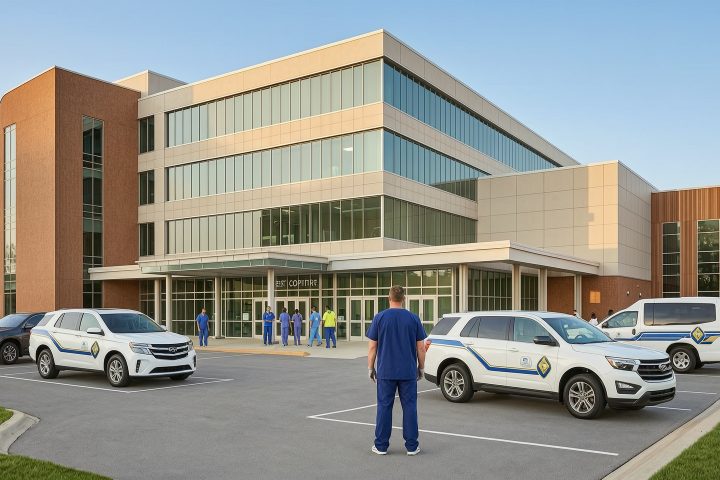
Understanding the Critical Need for Top-Tier Emergency and Trauma Care in South Carolina
In the event of a life-threatening accident, sudden cardiac arrest, or severe medical emergency, the difference between recovery and tragedy often hinges on the quality of care received within the first critical hours. For residents across the Palmetto State, identifying the best hospitals in South Carolina for emergency and trauma care is not merely a matter of convenience but a vital component of personal and family safety planning. The landscape of healthcare in South Carolina has evolved significantly, with major medical centers investing heavily in advanced trauma units, specialized surgical teams, and rapid response protocols to serve their diverse populations.
South Carolina presents unique geographic challenges that influence emergency response times and patient outcomes. From the bustling urban corridors of Charleston and Columbia to the rural expanses of the Upstate and the Lowcountry, access to Level I and Level II trauma centers can vary dramatically. When seconds count, patients and families need assurance that they are directing their loved ones to facilities equipped with the highest standards of acute care. This comprehensive guide examines the leading institutions that consistently demonstrate excellence in handling complex emergencies, ensuring that you have the necessary information to make informed decisions during a crisis.
The selection of a trauma center involves more than just proximity; it requires a deep understanding of hospital capabilities, including 24/7 availability of specialized surgeons, advanced imaging technologies, blood bank resources, and post-operative intensive care units. Facilities recognized as top-tier destinations for emergency medicine often hold specific certifications from organizations like the American College of Surgeons, which validate their commitment to rigorous performance standards. By exploring the strengths of these premier institutions, we aim to provide a clear roadmap for navigating the state’s most critical healthcare resources.
Defining Trauma Center Levels and Why They Matter
Before evaluating specific facilities, it is essential to understand the hierarchy of trauma care designated by the American College of Surgeons (ACS) and the South Carolina Department of Health and Environmental Control. These designations, known as Trauma Center Levels, dictate the scope of services available at a hospital. A Level I trauma center represents the apex of care, providing comprehensive management of all aspects of injury, from prevention through rehabilitation. These centers must offer 24-hour immediate coverage by general surgeons and specialists in orthopedics, neurosurgery, anesthesiology, emergency medicine, radiology, and critical care.
Level II trauma centers also provide definitive care for all injured patients, though they may not be required to maintain the same volume of research programs or residency training as Level I facilities. In both cases, the presence of a dedicated emergency department staffed around the clock is non-negotiable. When searching for the best hospitals in South Carolina for emergency and trauma care, verifying the level of certification is the first step in ensuring that the facility can handle the most severe injuries. Lower levels of care, such as Level III or IV, are crucial for stabilizing patients in rural areas before transferring them to higher-level centers if necessary.
The distinction between these levels directly impacts patient survival rates and long-term functional outcomes. High-volume centers with Level I designation typically treat a greater number of complex cases annually, allowing their teams to maintain peak proficiency in rare and difficult procedures. Furthermore, these hospitals often serve as teaching institutions, fostering innovation and keeping their staff updated on the latest medical advancements. Understanding this framework helps patients and families prioritize which hospitals to consider based on the severity of potential injuries and the specific needs of their community.
Medical University of South Carolina: A Beacon in Columbia
The Medical University of South Carolina (MUSC) Health System stands as a preeminent destination for emergency and trauma services in the Midlands region. As a Level I Adult Trauma Center and a Level I Pediatric Trauma Center, MUSC offers the highest tier of care available in the state. Located in Charleston, its main campus serves as a regional referral hub for the entire Southeast, drawing patients from across South Carolina and neighboring states who require specialized intervention for catastrophic injuries.
The MUSC Trauma Center is renowned for its multidisciplinary approach, integrating emergency medicine, surgery, neurology, and critical care into a seamless continuum of treatment. Their team includes board-certified trauma surgeons, neurosurgeons, and orthopedic specialists who are available 24/7 to manage everything from blunt force trauma to penetrating injuries. The facility is equipped with state-of-the-art hybrid operating rooms, advanced trauma imaging suites, and a robust blood bank capable of massive transfusion protocols. This infrastructure ensures that patients receive immediate, life-saving interventions without the delays often associated with resource limitations.
Beyond clinical excellence, MUSC plays a pivotal role in advancing trauma research and education. As an academic medical center, it trains the next generation of trauma specialists and conducts groundbreaking studies that improve patient outcomes globally. For individuals seeking the best hospitals in South Carolina for emergency and trauma care, MUSC represents a gold standard where cutting-edge technology meets compassionate, highly skilled medical professionals. Their commitment to reducing mortality and morbidity rates makes them a cornerstone of emergency preparedness for the region.
Key Capabilities at MUSC Health
- 24/7 immediate coverage by neurosurgeons, orthopedic surgeons, and vascular surgeons.
- Dedicated pediatric trauma unit with specialized equipment for infants and children.
- Advanced Level I burn center integrated with trauma services for complex injury management.
- Comprehensive stroke center certification ensuring rapid response to neurological emergencies.
Clemson University Hospital: Serving the Upstate Region
In the rapidly growing Upstate region of South Carolina, Clemson University Hospital (CUH) has emerged as a critical leader in emergency and trauma services. Operating as a Level II Trauma Center, CUH provides high-quality acute care to Greenville, Spartanburg, and surrounding counties. Its strategic location and modern facilities ensure that residents in the northern part of the state have access to world-class emergency medicine without needing to travel to the coast or central regions for stabilization.
The hospital’s emergency department is designed for efficiency and speed, featuring a dedicated trauma bay system that allows for simultaneous resuscitation and diagnostic imaging. CUH boasts a team of experienced trauma surgeons and emergency physicians who work collaboratively to deliver rapid assessments and interventions. The facility’s partnership with the Clemson University College of Medicine further enhances its capabilities, facilitating continuous professional development and access to the latest clinical trials. This academic affiliation ensures that the care provided remains at the forefront of medical science.
For families living in the Upstate, knowing that a Level II trauma center with such robust resources is nearby provides immense peace of mind. While Level I centers handle the most complex cases, Level II centers like Clemson University Hospital are fully equipped to manage the vast majority of trauma cases, including severe head injuries, multiple fractures, and internal bleeding. Their ability to stabilize patients and perform complex surgeries locally reduces the time spent in transit and improves overall recovery trajectories. This makes CUH a primary consideration when discussing the best hospitals in South Carolina for emergency and trauma care in the Upstate area.
Specialized Services at Clemson University Hospital
- Rapid response teams for cardiac arrest and respiratory failure.
- On-site interventional radiology for immediate control of internal bleeding.
- Dedicated pediatric emergency services with child-friendly environments.
- Integrated mental health crisis support for patients experiencing acute psychological distress.
Prisma Health – Baptist Memorial: Leading in Central SC
Prisma Health – Baptist Memorial in Columbia is another powerhouse in the realm of emergency medicine, serving as a Level I Trauma Center for the Midlands. As one of the largest health systems in the region, Prisma Health combines extensive resources with a patient-centered philosophy to deliver exceptional trauma care. Their emergency department is staffed around the clock by a diverse team of specialists, ensuring that no matter the time of day or night, expert care is immediately available.
The hospital’s trauma program is distinguished by its comprehensive approach to injury prevention, acute care, and rehabilitation. They utilize advanced trauma life support (ATLS) protocols and employ a “one-stop” model where patients can undergo multiple diagnostic tests and treatments within the same facility. This streamlined process minimizes delays and coordinates care among various departments, from radiology to the operating room. The integration of a dedicated trauma ICU allows for close monitoring of critically injured patients during the crucial recovery phase.
Prisma Health also emphasizes community outreach and education, working closely with local emergency responders to optimize pre-hospital care and transport logistics. By fostering strong partnerships with EMS agencies, they ensure that patients arrive at the hospital already stabilized and ready for definitive treatment. This collaborative network is a key factor in why Prisma Health is consistently ranked among the best hospitals in South Carolina for emergency and trauma care. Their commitment to saving lives extends beyond the hospital walls, creating a safer environment for the entire community.
Charleston Area Medical Centers: Coastal Excellence
While MUSC dominates the coastal region, other hospitals in the Charleston area contribute significantly to the state’s emergency care landscape. Medical University of South Carolina’s affiliate hospitals and independent community centers work in tandem to create a robust network of trauma services. These facilities often serve as Level III or Level IV trauma centers, providing essential stabilization and transfer capabilities for patients in the Lowcountry who may not require the full spectrum of Level I care but still need immediate attention.
The collaboration between these facilities ensures a seamless flow of patients based on the severity of their condition. For instance, a patient arriving at a smaller community hospital with a stable fracture might receive treatment there, while a patient with a traumatic brain injury would be rapidly transferred to MUSC. This tiered system maximizes resource utilization and ensures that every patient receives the appropriate level of care for their specific injury. The coordination of these efforts highlights the strength of the broader Charleston healthcare ecosystem.
Furthermore, these coastal hospitals often face unique challenges related to natural disasters, such as hurricanes, which can disrupt transportation and isolate communities. Their preparedness plans and surge capacity capabilities are rigorously tested and refined to maintain service continuity during crises. This resilience adds another layer of value when considering the best hospitals in South Carolina for emergency and trauma care, as reliability during extreme weather events is just as important as daily operational excellence.
Comparative Analysis of Top South Carolina Trauma Centers
To help readers make informed decisions, it is useful to compare the key attributes of the leading trauma centers discussed above. The following table outlines the primary differences in location, trauma level, and specialized focus areas. This comparison underscores the diversity of options available across the state and helps identify the most suitable facility based on geographic location and specific medical needs.
| Hospital Name | Location | Trauma Level | Key Specializations |
|---|---|---|---|
| Medical University of South Carolina (MUSC) | Charleston | Level I (Adult & Pediatric) | Neurosurgery, Burn Care, Complex Orthopedics, Research |
| Clemson University Hospital | Greenville (Upstate) | Level II | General Trauma, Stroke Care, Pediatric Emergency, Interventional Radiology |
| Prisma Health – Baptist Memorial | Columbia (Midlands) | Level I | Multi-System Trauma, Critical Care, Rehabilitation, Community Outreach |
| Greenville Health System | Greenville | Level I | Cardiac Trauma, Vascular Surgery, Advanced Imaging |
This comparative view reveals that while MUSC and Prisma Health both hold Level I status, their geographic locations cater to different regions of the state. Similarly, Clemson University Hospital’s Level II designation does not diminish its capability to handle serious injuries but rather reflects its specific focus on the Upstate population. Understanding these nuances is crucial for anyone looking for the best hospitals in South Carolina for emergency and trauma care relative to their home or workplace.
What Patients Should Know About Emergency Room Visits
Navigating a hospital emergency department during a crisis can be overwhelming, especially when facing a traumatic injury. It is important for patients and their families to understand the triage process, which prioritizes care based on the severity of the condition rather than the order of arrival. In a Level I or Level II trauma center, the moment a patient arrives with signs of life-threatening injury, a dedicated trauma team is activated immediately. This team includes surgeons, nurses, and technicians who work in unison to assess, stabilize, and treat the patient.
Patients should be aware that waiting times can vary depending on the acuity of incoming cases. However, in top-tier facilities, those with the most critical conditions are seen first. It is also helpful to have basic information ready, such as a list of current medications, allergies, and insurance details, if possible. In many cases, the hospital will proceed with life-saving treatment regardless of insurance status, but having this information can expedite administrative processes once the patient is stable.
Additionally, understanding the role of telemedicine in emergency care can be beneficial. Many South Carolina hospitals now utilize remote consultation services to connect local ER doctors with specialists at major trauma centers. This technology allows for real-time guidance on complex cases, ensuring that even patients in smaller hospitals receive expert advice. This integration of technology further solidifies the reputation of South Carolina’s healthcare system as a provider of high-quality emergency services.
Insurance Coverage and Financial Considerations
One of the significant concerns for patients seeking emergency care is the cost of treatment. While the priority is always saving lives, understanding the financial implications can help families prepare. Most major hospitals in South Carolina accept a wide range of insurance plans, including Medicare, Medicaid, and private insurers. However, out-of-network charges can sometimes occur, particularly if a patient is transported by air ambulance or sees a specialist not affiliated with their primary insurance network.
The No Surprises Act, a federal law, provides some protections against unexpected medical bills for emergency services. Under this act, patients are generally only responsible for their in-network copayments or deductibles for emergency care, even if the hospital or doctor is out-of-network. Nevertheless, it is advisable to verify coverage with your insurance provider beforehand and ask about any specific requirements for trauma center referrals. Being informed about these policies can reduce stress during an already difficult situation.
Many hospitals also offer financial assistance programs for uninsured or underinsured patients. These programs are designed to help individuals who cannot afford their medical bills due to a traumatic event. Families should inquire about these options early in the admission process to explore available payment plans or grants. Transparency regarding costs and assistance is a hallmark of the best healthcare providers, ensuring that financial barriers do not prevent access to life-saving care.
Recovery and Rehabilitation Following Trauma
The journey to recovery after a severe injury often extends well beyond the initial emergency room visit and surgical intervention. The best hospitals in South Carolina for emergency and trauma care recognize that rehabilitation is a critical component of the healing process. Comprehensive trauma centers typically have dedicated rehabilitation departments that begin working with patients as soon as they are medically stable. These programs include physical therapy, occupational therapy, speech therapy, and psychological counseling to address the full spectrum of recovery needs.
Rehabilitation goals are personalized for each patient, focusing on restoring function, managing pain, and returning to daily activities. For example, a patient who has suffered a spinal cord injury may require months of intensive physical therapy to regain mobility, while someone with a traumatic brain injury might need cognitive rehabilitation to relearn memory and communication skills. The coordinated effort of the medical team ensures a smooth transition from acute care to long-term recovery.
Furthermore, many hospitals offer support groups and community resources for trauma survivors and their families. These networks provide emotional support and practical advice for navigating life after a serious injury. By addressing the physical, emotional, and social aspects of recovery, these institutions help patients achieve the best possible outcomes and regain their independence. This holistic approach distinguishes top-tier trauma centers from those that focus solely on acute stabilization.
Frequently Asked Questions
How do I know which hospital is the best for my family?
Identifying the best hospital depends on several factors, including your location, the type of injury, and insurance coverage. Generally, Level I and Level II trauma centers are considered the best for severe injuries due to their specialized teams and advanced resources. You should research the nearest Level I or II center to your home or workplace and verify that they accept your insurance. Additionally, checking patient reviews and accreditation status can provide insight into the quality of care.
Are all emergency rooms in South Carolina equipped for major trauma?
No, not all emergency rooms are equipped to handle major trauma. Only hospitals certified as Level I, II, III, or IV trauma centers have the specific resources and staffing required for different levels of injury. Level I and II centers are equipped for the most severe cases, while lower levels may stabilize patients and transfer them to higher-level facilities. It is crucial to call 911 so that paramedics can determine the appropriate destination based on your condition.
What happens if I am taken to a hospital that is not a trauma center?
If you are taken to a hospital that lacks the necessary trauma capabilities, the medical team will likely stabilize your condition and arrange for a transfer to a Level I or II trauma center. This process, known as inter-facility transfer, is common and ensures that patients receive the highest level of care. Paramedics and emergency physicians are trained to identify the most appropriate facility to minimize delays in treatment.
Does insurance cover emergency transport to a distant trauma center?
Most insurance plans, including Medicare and Medicaid, cover emergency transport to the nearest appropriate facility, even if it is far away. The No Surprises Act also protects patients from balance billing for emergency services. However, it is always wise to check with your insurance provider to understand your specific benefits and any potential out-of-pocket costs associated with air or ground ambulance services.
Can I choose a specific hospital for emergency care?
In a true emergency, the decision of where to go is typically made by 911 dispatchers and paramedics based on your medical condition and the closest appropriate facility. If you are conscious and able to communicate, you can express a preference, but the final decision rests with the medical professionals to ensure the fastest and safest route to care. Once stabilized, you may have more say in your transfer or discharge planning.
Sources
- American College of Surgeons – Trauma Center Verification Program
- Medical University of South Carolina (MUSC) Health – Emergency Medicine
- Clemson University Hospital – Emergency & Trauma Services
- Prisma Health – Baptist Memorial Hospital
- South Carolina Department of Health and Environmental Control – Emergency Preparedness
- Centers for Medicare & Medicaid Services – The No Surprises Act