
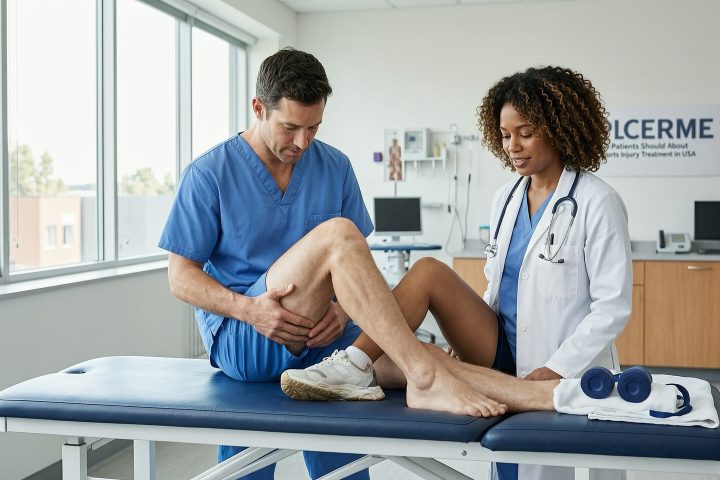
Understanding the Landscape of Sports Injury Care in America
For athletes ranging from weekend warriors to professional competitors, the sudden onset of a sports injury can be both physically debilitating and emotionally distressing. Navigating the complex healthcare system in the United States requires more than just finding a doctor; it demands a strategic approach to diagnosis, treatment planning, and financial management. What Patients Should Know About Sports Injury Treatment in the USA is essential for anyone seeking to recover effectively without facing unexpected financial burdens or delays in care. The American healthcare landscape offers a vast array of specialized services, from urgent care centers to world-renowned orthopedic hospitals, yet the path to recovery often feels confusing due to varying insurance policies, specialist availability, and treatment protocols.
The journey begins the moment an injury occurs. Whether it is a torn ligament sustained during a soccer match, a stress fracture from long-distance running, or a concussion from contact sports, the immediate steps taken can significantly influence the long-term outcome. In the US, the emphasis on rapid intervention and advanced technology means that patients have access to cutting-edge diagnostic tools like MRI and CT scans, as well as minimally invasive surgical techniques. However, this high level of care comes with significant costs and logistical hurdles that are not always immediately apparent to the injured party. Understanding the nuances of the system is crucial for making informed decisions that prioritize health while managing resources wisely.
This comprehensive guide aims to demystify the process of sports injury treatment within the American medical framework. It addresses critical factors such as the role of different healthcare providers, the intricacies of insurance coverage, the typical timeline for recovery, and the importance of multidisciplinary teams. By exploring these elements, patients can better advocate for themselves, ensuring they receive the appropriate level of care tailored to their specific needs. The goal is to empower individuals with the knowledge necessary to navigate the healthcare system efficiently, reducing anxiety and facilitating a smoother return to activity.
Initial Response and Emergency Triage Protocols
The first few hours following a sports injury are often the most critical for determining the trajectory of recovery. In the United States, the standard protocol for acute injuries frequently involves the RICE method—Rest, Ice, Compression, and Elevation—which serves as an immediate first aid measure before professional medical evaluation. However, the decision to seek emergency room (ER) care versus visiting an urgent care facility or scheduling an appointment with a primary care physician depends heavily on the severity of the injury and the patient’s ability to pay. For life-threatening conditions or severe trauma, such as compound fractures or loss of consciousness, the ER is the mandatory destination, regardless of cost considerations.
Emergency departments in the US are equipped to handle severe sports-related traumas, including head injuries, spinal cord damage, and major joint dislocations. These facilities operate on a triage basis, prioritizing patients based on the acuity of their condition rather than the order of arrival. While this ensures that critical cases receive immediate attention, it also means that wait times for non-critical injuries can be substantial. Furthermore, ER visits are typically the most expensive option for outpatient sports injuries, often resulting in high deductibles and out-of-pocket costs even for insured patients. Understanding when to utilize the ER versus other options is a fundamental aspect of what patients should know about sports injury treatment in the USA.
Beyond the physical assessment, the administrative side of the ER visit plays a significant role in the patient experience. Insurance verification may be delayed until after treatment, leading to surprise bills later. Many hospitals now offer financial counseling services to help patients understand their liability before they leave the facility. Additionally, the documentation generated in the ER becomes the foundational medical record for any subsequent treatment, making the accuracy of the initial diagnosis and imaging reports vital. Patients should ensure they receive clear discharge instructions and follow-up plans to prevent complications arising from inadequate initial care.
Navigating Specialized Orthopedic Care and Diagnostic Imaging
Once the acute phase has passed, the focus shifts to specialized care provided by orthopedic surgeons, sports medicine physicians, and physical therapists. The United States boasts a robust network of specialists who are experts in treating musculoskeletal injuries. These professionals often work within dedicated sports medicine clinics or hospital-based departments that integrate various disciplines to provide holistic care. Unlike general practitioners, these specialists possess deep knowledge of biomechanics and the specific demands of athletic activities, allowing them to tailor treatment plans that aim not just for healing, but for a full return to pre-injury performance levels.
A cornerstone of modern sports injury diagnosis in the US is advanced medical imaging. Technologies such as Magnetic Resonance Imaging (MRI), Computed Tomography (CT) scans, and dynamic ultrasound are widely available and often used to visualize soft tissue damage that X-rays cannot detect. For instance, an MRI is indispensable for diagnosing ACL tears, meniscus injuries, and rotator cuff tears. While these technologies provide unparalleled detail, they also contribute significantly to the overall cost of treatment. Patients must be aware that ordering these tests often requires prior authorization from their insurance provider to avoid claim denials.
The selection of a specialist is another critical decision point. Patients should look for board-certified orthopedic surgeons or sports medicine doctors who have specific experience with their type of injury. Some hospitals offer “centers of excellence” for sports medicine, which indicate a higher volume of procedures and potentially better outcomes. When evaluating potential providers, patients should consider factors such as the surgeon’s success rates, their philosophy on conservative versus surgical treatment, and their communication style. A strong therapeutic alliance between the patient and the medical team is essential for adherence to rehabilitation protocols and achieving optimal results.
The Role of Physical Therapy in Recovery
Physical therapy is often the backbone of sports injury recovery in the United States. Following a diagnosis, whether surgical or non-surgical, a structured rehabilitation program is almost always prescribed. Physical therapists (PTs) design individualized exercise regimens aimed at restoring range of motion, rebuilding muscle strength, improving balance, and preventing future injuries. In many cases, PT can serve as a viable alternative to surgery for certain conditions, such as mild to moderate tendonitis or minor ligament sprains.
The effectiveness of physical therapy relies heavily on patient compliance and the frequency of sessions. Most insurance plans cover a set number of visits per year, but this limit can vary significantly depending on the policy and the specific plan. Patients need to be proactive in communicating with their insurance provider to understand their coverage limits and any requirements for referrals or pre-authorization. Additionally, some states allow for direct access to physical therapy, meaning a referral from a physician is not required, while others mandate a doctor’s order before treatment can begin.
Modern rehabilitation also incorporates technology such as biofeedback, electrotherapy, and gait analysis to enhance the recovery process. These tools help therapists monitor progress objectively and adjust exercises in real-time. For athletes, the ultimate goal of physical therapy is functional restoration, ensuring that the body can handle the specific stresses of their sport. This phase of treatment is often the longest part of the recovery journey and requires patience and dedication from the patient to see lasting benefits.
Surgical Interventions and Minimally Invasive Techniques
When conservative treatments fail to resolve a sports injury, surgical intervention may become necessary. The United States is a global leader in orthopedic surgery, offering a wide range of procedures from arthroscopy to complex reconstructive surgeries. Arthroscopic surgery, which involves making small incisions and using a camera to guide instruments, has revolutionized the field by reducing recovery times and minimizing scarring compared to traditional open surgery. Common procedures include ACL reconstruction, meniscus repair, rotator cuff repair, and ankle stabilization.
The decision to proceed with surgery is multifaceted, involving the severity of the injury, the patient’s age, activity level, and personal goals. Surgeons will discuss the risks and benefits of the procedure, as well as the expected recovery timeline. It is important for patients to understand that surgery is not a guarantee of a pain-free life or a return to elite performance; it is a tool to correct structural damage. The success of the operation is often contingent upon the quality of post-operative rehabilitation, making the choice of a skilled surgical team and a supportive rehabilitation center equally important.
Cost is a major factor in the decision-making process for surgery. Hospital fees, surgeon fees, anesthesia charges, and the cost of implants can add up quickly. Even with insurance, patients may face substantial out-of-pocket expenses, including deductibles, co-insurance, and co-pays. Some patients may opt for “ambulatory surgery centers” instead of hospital operating rooms for eligible procedures, as these facilities often offer lower costs and a more streamlined experience. Understanding the billing structure and negotiating with providers can help mitigate financial stress during what is already a challenging time.
Comparing Treatment Options and Costs
To help patients make informed decisions, it is useful to compare the typical characteristics and cost structures of different treatment modalities. The table below outlines the key differences between conservative management, surgical intervention, and hybrid approaches commonly found in the US healthcare system.
| Treatment Modality | Typical Duration | Primary Benefits | Key Considerations & Costs |
|---|---|---|---|
| Conservative Management | 6 weeks to 6 months | No surgical risk; preserves native tissue; lower upfront cost. | Requires strict adherence to PT; may not fix structural tears; insurance limits on visits. |
| Arthroscopic Surgery | 3 to 9 months | Minimally invasive; faster recovery than open surgery; precise repair. | Higher upfront cost; anesthesia risks; potential for scar tissue formation. |
| Open Reconstruction | 6 to 12+ months | Gold standard for complex injuries; durable fixation. | Largest cost; longest recovery; higher infection risk; significant scarring. |
| Regenerative Medicine | Varies (often adjunct) | Promotes natural healing; minimally invasive injection. | Often not covered by insurance; variable efficacy data; additional out-of-pocket expense. |
The Financial Realities of Sports Medicine Coverage
One of the most daunting aspects of what patients should know about sports injury treatment in the USA is the financial complexity involved. The US healthcare system is characterized by a patchwork of private insurance plans, employer-sponsored coverage, government programs like Medicare and Medicaid, and uninsured populations. Each payer has its own rules regarding coverage for sports injuries, including which providers are in-network, what procedures are deemed medically necessary, and how much the patient is responsible for paying.
Even with comprehensive insurance, patients often encounter surprise bills, particularly if they inadvertently receive care from out-of-network specialists. For example, a patient might see an in-network orthopedic surgeon but receive anesthesia from an out-of-network provider at the same facility. Recent federal legislation, such as the No Surprises Act, aims to protect patients from these unexpected costs in emergency situations and at in-network facilities, but gaps remain for elective procedures and non-emergency care. Patients must actively verify the network status of all providers involved in their care before treatment begins.
Deductibles and out-of-pocket maximums play a significant role in the total cost of treatment. High-deductible health plans require patients to pay thousands of dollars before insurance kicks in, which can be prohibitive for those with serious injuries requiring surgery. Conversely, low-deductible plans may have higher monthly premiums but lower out-of-pocket costs during a claim. Patients should review their policy documents carefully to understand their specific responsibilities. Additionally, some employers offer wellness programs or stipends that can help offset the costs of fitness-related injuries or preventative care.
Strategies for Managing Medical Expenses
To navigate the financial landscape effectively, patients can adopt several strategies. First, obtaining a pre-treatment estimate from the provider’s billing department can provide a clearer picture of potential costs. Second, appealing insurance denials is a common practice; many claims are initially rejected due to coding errors or lack of documentation, which can be corrected upon appeal. Third, patients should explore payment plans offered by hospitals and clinics, which often allow for interest-free installments. Finally, understanding the difference between “allowed amounts” and “billed charges” is crucial, as insurance companies negotiate discounted rates that differ from the provider’s list price.
The Importance of Multidisciplinary Team Approaches
Complex sports injuries rarely require a single provider to manage all aspects of care. The most effective treatment plans in the US involve a multidisciplinary team that includes orthopedic surgeons, primary care physicians, physical therapists, nutritionists, and mental health professionals. This collaborative approach ensures that every facet of the patient’s health is addressed, from physical rehabilitation to nutritional support and psychological resilience.
Nutrition plays a pivotal role in healing. Adequate protein intake, hydration, and micronutrients are essential for tissue repair and inflammation reduction. Many sports medicine clinics now employ registered dietitians who can create customized meal plans to accelerate recovery. Similarly, the psychological impact of a sports injury should not be overlooked. The loss of athletic identity, fear of re-injury, and frustration with the recovery timeline can lead to anxiety and depression. Access to sports psychologists or counselors can help patients maintain a positive mindset and stay motivated throughout their rehabilitation.
The coordination of care among these professionals is facilitated through shared electronic health records (EHR) and regular case conferences. This ensures that all team members are aligned on the treatment goals and timelines. For the patient, this means receiving consistent advice and avoiding conflicting recommendations. A cohesive team approach not only improves clinical outcomes but also enhances the overall patient experience by providing a sense of support and comprehensive care.
Rehabilitation Phases and Return-to-Play Criteria
Recovery from a sports injury is a phased process that requires patience and discipline. In the United States, the return-to-play criteria are increasingly evidence-based, moving away from arbitrary timelines to objective milestones. The rehabilitation process is generally divided into phases: acute protection, early mobility, strengthening, functional training, and sport-specific conditioning. Each phase builds upon the previous one, and rushing through a stage can lead to setbacks or re-injury.
The final phase, sport-specific conditioning, is where the athlete simulates the movements and demands of their specific sport under supervision. This might include agility drills, plyometrics, and controlled contact scenarios. Before clearing an athlete to return to competition, medical professionals often use objective testing measures, such as strength symmetry assessments, hop tests, and range of motion evaluations. These metrics provide data-driven evidence that the injured area has healed sufficiently to withstand the rigors of competitive play.
It is important for patients to understand that returning to play does not mean returning to full intensity immediately. Gradual progression is key. Many athletes experience a decline in performance upon their first return, which is normal as the body readapts. Patience during this period is essential for long-term success. Coaches and trainers also play a vital role in monitoring the athlete’s readiness and ensuring that the transition back to the team environment is smooth and supportive.
Preventative Measures and Long-Term Health Strategies
While treatment is necessary when injuries occur, prevention remains the most effective strategy for maintaining athletic health. In the US, there is a growing emphasis on preventative screening and conditioning programs designed to reduce the risk of injury. These programs often include neuromuscular training, flexibility exercises, and proper technique coaching. Schools, colleges, and professional organizations are increasingly adopting protocols such as the FIFA 11+ program for soccer players, which has been shown to significantly reduce the incidence of lower extremity injuries.
Regular check-ups with a sports medicine physician can help identify underlying issues that predispose an athlete to injury, such as muscle imbalances, poor biomechanics, or previous undiagnosed injuries. Addressing these root causes proactively can prevent minor issues from escalating into major problems. Additionally, proper equipment usage, including well-fitted footwear and protective gear, is a fundamental aspect of injury prevention that patients should never overlook.
Education is another critical component of prevention. Athletes need to understand the signs of overtraining, the importance of rest days, and the dangers of playing through pain. Promoting a culture of safety and health awareness within sports communities can lead to fewer injuries overall. By integrating these preventative measures into their routine, athletes can extend their careers and enjoy their sports participation for longer periods without the interruption of significant injuries.
Frequently Asked Questions
How do I choose the right orthopedic surgeon for my sports injury?
Selecting the right surgeon involves researching their board certification, subspecialty training, and experience with your specific injury. Look for surgeons who are members of recognized organizations like the American Academy of Orthopaedic Surgeons (AAOS) or the American Orthopaedic Society for Sports Medicine (AOSSM). It is also helpful to read patient reviews and ask about their success rates and complication rates for the procedure you need. During your consultation, assess whether the surgeon listens to your concerns and explains the treatment options clearly.
Does insurance cover physical therapy for sports injuries?
Most private insurance plans in the US cover physical therapy for sports injuries, but the extent of coverage varies. Policies often have limits on the number of visits per year, require a doctor’s referral, or mandate pre-authorization. Some plans may also require a co-pay or co-insurance for each session. It is crucial to contact your insurance provider directly to verify your specific benefits, including your deductible status and any out-of-network restrictions before starting therapy.
What is the typical recovery time for an ACL tear?
Recovery time for an anterior cruciate ligament (ACL) tear varies depending on the treatment method and the individual. After surgical reconstruction, most athletes can expect a recovery period of 9 to 12 months before returning to full-contact sports. This timeline allows for adequate healing of the graft and completion of rigorous rehabilitation protocols. Non-surgical management may result in a shorter initial recovery but might not restore the knee’s stability for high-level pivoting sports.
Can I get treated at a hospital if I don’t have insurance?
Yes, hospitals are legally required to stabilize emergency medical conditions regardless of insurance status under the Emergency Medical Treatment and Labor Act (EMTALA). However, once stabilized, you will be billed for the services rendered. Many hospitals offer financial assistance programs, sliding scale fees, or charity care for uninsured patients. It is advisable to speak with a financial counselor at the hospital to explore payment options and apply for assistance programs before leaving the facility.
Are there risks associated with corticosteroid injections for sports injuries?
Corticosteroid injections can provide significant pain relief and reduce inflammation, but they carry potential risks. Repeated injections may weaken tendons and ligaments, increasing the risk of rupture. They can also cause skin thinning, discoloration, and temporary blood sugar spikes. Due to these risks, many sports medicine physicians limit the number of injections given in a specific area and prefer other treatments like platelet-rich plasma (PRP) or hyaluronic acid for long-term management.