
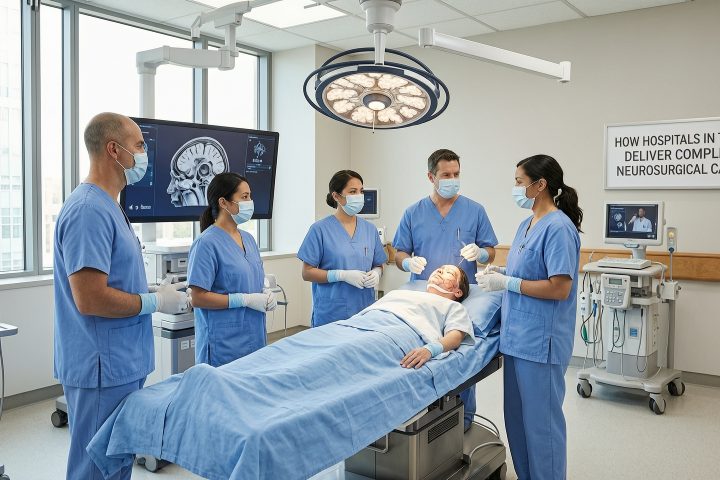
Understanding the Landscape of Advanced Neurosurgical Treatment
The delivery of complex neurosurgical care in the United States represents one of the most sophisticated intersections of medicine, technology, and human expertise. When patients face life-altering conditions such as brain tumors, aneurysms, or spinal cord injuries, the pathway to recovery is rarely linear. Instead, it requires a highly coordinated ecosystem that spans emergency response, diagnostic precision, surgical intervention, and intensive post-operative rehabilitation. How hospitals in the USA deliver complex neurosurgical care is defined by their ability to integrate multidisciplinary teams, cutting-edge imaging technologies, and rigorous safety protocols into a seamless patient journey.
In recent years, the standard for neurological treatment has shifted from purely procedural success to holistic outcomes that prioritize quality of life, functional recovery, and long-term survival. This evolution is driven by the increasing complexity of cases seen in academic medical centers and specialized community hospitals alike. The modern neurosurgical suite is no longer just an operating room; it is a high-tech command center equipped with robotic assistance, intraoperative monitoring, and real-time navigation systems. Understanding the mechanics behind this delivery system is crucial for patients and families navigating these critical healthcare decisions.
The scope of neurosurgery in the American healthcare system is vast, ranging from minimally invasive endoscopic procedures to open craniotomies lasting many hours. Each procedure demands a unique set of skills and resources. Hospitals must maintain specific certifications, employ board-certified specialists, and adhere to strict regulatory standards to ensure patient safety. The question of how these institutions manage such high-stakes environments involves financial considerations, staffing models, technological investment, and continuous quality improvement initiatives. This comprehensive overview explores the infrastructure, processes, and strategies that define excellence in neurosurgical care across the nation.
The Infrastructure Required for High-Stakes Neurosurgical Interventions
Delivering complex neurosurgical care begins long before the patient enters the operating room. It starts with the physical infrastructure designed to support the delicate and precise nature of neurological procedures. Hospitals that specialize in this field invest heavily in state-of-the-art operating theaters that are specifically engineered to minimize infection risks and maximize surgical efficiency. These rooms often feature laminar flow air filtration systems, which reduce airborne particulate matter to near-zero levels, a critical factor when dealing with exposed neural tissue where even minor infections can be catastrophic.
Beyond the operating theater, the supporting diagnostic infrastructure is equally vital. Modern neurosurgical departments rely on advanced imaging modalities such as 3 Tesla MRI scanners, CT angiography units, and PET scans. These tools allow surgeons to visualize soft tissue, blood vessels, and bone structures with unprecedented clarity. In many top-tier facilities, these imaging suites are located adjacent to the surgical floors, allowing for rapid transition from diagnosis to intervention. This proximity is essential in emergency scenarios like traumatic brain injury or ruptured aneurysms, where every minute counts in determining patient outcomes.
The integration of robotics and augmented reality further defines the modern neurosurgical environment. Hospitals in the USA are increasingly adopting robotic platforms that assist in stereotactic biopsies, deep brain stimulation lead placement, and spinal instrumentation. These systems provide a level of stability and precision that surpasses human hand capabilities, reducing tremors and allowing access to areas of the brain that were previously considered too dangerous to touch. Additionally, augmented reality overlays enable surgeons to see “through” the skull, visualizing tumor margins or vascular anomalies in real-time during the procedure. This technological backbone is what distinguishes a general hospital from a center capable of delivering complex neurosurgical care.
Multidisciplinary Teams: The Core of Patient-Centric Care
No single surgeon can successfully manage the full spectrum of complex neurosurgical cases alone. The hallmark of successful treatment in the US healthcare system is the multidisciplinary team approach. This model brings together neurosurgeons, neurologists, neuroradiologists, neuro-oncologists, radiation oncologists, anesthesiologists, and specialized nursing staff to collaborate on every aspect of patient management. The synergy within these teams ensures that treatment plans are not just surgically sound but also medically optimized for the patient’s overall health profile.
Neurocritical care specialists play a pivotal role in this ecosystem, particularly for patients requiring admission to the Neuro-Intensive Care Unit (NICU) following surgery. These physicians manage complex physiological parameters, including intracranial pressure, cerebral perfusion, and seizure activity. Their presence ensures that the immediate post-operative period is managed with the same level of vigilance as the surgery itself. Furthermore, the involvement of neuropsychologists helps assess cognitive function before and after surgery, providing baseline data that guides rehabilitation strategies and helps predict potential changes in memory, language, or motor skills.
Rehabilitation professionals, including physical therapists, occupational therapists, and speech-language pathologists, are integrated early in the care process. In many leading hospitals, therapy begins in the ICU while the patient is still intubated, focusing on maintaining muscle tone and preventing complications like pneumonia or blood clots. As the patient progresses, they move to specialized neuro-rehabilitation units where the focus shifts to regaining independence. This continuum of care, orchestrated by a diverse team, is fundamental to how hospitals in the USA deliver complex neurosurgical care, ensuring that the goal extends beyond mere survival to meaningful functional recovery.
The Role of Specialized Nursing and Support Staff
Behind every successful neurosurgical case is a cadre of highly specialized nurses who possess unique expertise in neurological assessment. These nurses are trained to recognize subtle signs of neurological decline, such as changes in pupil reaction, limb movement, or consciousness levels, which can indicate bleeding or swelling in the brain. Their ability to act quickly can be the difference between a favorable outcome and permanent disability. In addition to clinical skills, these nurses serve as vital communication bridges between the surgical team, the patient, and the family, providing education and emotional support during a time of extreme stress.
Anesthesia providers in neurosurgery also require specialized training. Unlike general anesthesia, neuroanesthesia focuses on maintaining specific hemodynamic targets to protect the brain. Anesthesiologists must carefully manage blood pressure, carbon dioxide levels, and fluid balance to ensure optimal cerebral perfusion while minimizing brain swelling. They work in tandem with the surgeon, adjusting medications in real-time based on the progress of the operation. This level of coordination underscores the complexity of the care delivered and the necessity of a unified, well-trained team.
Advanced Technologies Driving Surgical Precision
The landscape of neurosurgery has been revolutionized by technological advancements that have transformed once-inoperable lesions into treatable conditions. One of the most significant innovations is intraoperative MRI (iMRI). This technology allows surgeons to take magnetic resonance images inside the operating room, enabling them to verify the extent of tumor resection before closing the incision. If residual tumor tissue is detected, the surgeon can remove more immediately, significantly improving the chances of long-term remission without subjecting the patient to a second major surgery.
Another critical advancement is fluorescence-guided surgery. By administering a fluorescent dye prior to the procedure, surgeons can use specialized microscopes to distinguish between healthy brain tissue and malignant cells. The cancerous tissue glows under specific light wavelengths, allowing for a more precise removal of the tumor while sparing critical healthy structures. This technique has become a standard of care in many centers for glioblastoma and other high-grade brain tumors, directly impacting patient survival rates.
Stereotactic radiosurgery, such as the Gamma Knife or CyberKnife, represents a non-invasive alternative to traditional craniotomy for certain conditions. While not technically “surgery” in the incisional sense, it is a crucial component of the neurosurgical arsenal. These systems deliver highly focused beams of radiation to destroy abnormal tissue with sub-millimeter accuracy. They are particularly effective for treating arteriovenous malformations, acoustic neuromas, and metastatic brain lesions. The ability to offer both open surgical options and advanced radiation therapies gives hospitals the flexibility to tailor treatments to individual patient needs.
Minimally Invasive Techniques and Endoscopy
Minimally invasive approaches have reduced recovery times and complication rates for many neurosurgical procedures. Endoscopic techniques allow surgeons to access deep-seated lesions through natural body openings or small keyhole incisions, avoiding the need for large craniotomies. For example, endoscopic transsphenoidal surgery is now the preferred method for removing pituitary tumors, offering faster discharge times and less postoperative pain compared to traditional approaches. Similarly, endoscopic third ventriculostomy provides a solution for hydrocephalus without the need for permanent shunts, eliminating the risk of shunt failure and infection.
These techniques require not only advanced equipment but also extensive surgeon training and practice. Hospitals investing in these capabilities often establish fellowship programs to train the next generation of neurosurgeons in these specialized skills. The adoption of minimally invasive methods reflects a broader trend in American healthcare towards value-based care, where better outcomes and lower costs are prioritized. By reducing trauma to the body, these procedures align with the overarching goal of how hospitals in the USA deliver complex neurosurgical care: maximizing therapeutic benefit while minimizing patient burden.
Financial Considerations and Insurance Coverage
The cost of complex neurosurgical care is substantial, reflecting the high level of resources required. From pre-operative imaging and consultations to the surgical procedure itself, ICU stay, and rehabilitation, the expenses can be overwhelming for many families. However, the US healthcare system offers various mechanisms to manage these costs, primarily through insurance coverage and hospital financial assistance programs. Understanding the financial landscape is a critical part of the patient decision-making process.
Most major insurance plans, including Medicare and Medicaid, cover necessary neurosurgical procedures, but the extent of coverage varies based on the plan type, network status, and specific policy details. Patients often face out-of-pocket costs such as deductibles, copayments, and coinsurance. Pre-authorization is typically required for elective surgeries, where the insurance company reviews the medical necessity of the proposed treatment. Emergency procedures, such as those for stroke or trauma, are generally covered under emergency care provisions, but follow-up care may require additional verification.
| Cost Component | Typical Range (USD) | Insurance Factors |
|---|---|---|
| Pre-operative Imaging (MRI/CT) | $500 – $5,000+ | Often covered fully if medically necessary; prior auth usually required. |
| Surgeon Fees | $5,000 – $20,000+ | Coverage depends on in-network status and specialty fees. |
| Hospital Facility Fees | $10,000 – $50,000+ | Highly variable; in-network contracts significantly reduce patient liability. |
| ICU Stay (Per Day) | $3,000 – $10,000 | Covered but subject to daily limits and co-pays. |
| Post-Op Rehabilitation | $2,000 – $6,000 per week | Varies by facility type (inpatient vs. outpatient); often requires pre-certification. |
Hospitals often employ financial counselors to help patients navigate these complexities. Many academic medical centers and non-profit hospitals offer charity care programs or sliding scale fees for uninsured or underinsured individuals. Additionally, some hospitals partner with patient advocacy organizations that provide grants for specific conditions, such as brain tumor research or rare disease treatment. Transparency in pricing is becoming a priority, with federal regulations requiring hospitals to publish their standard charges, although actual negotiated rates with insurers remain confidential.
Patient Journey and Safety Protocols
The patient journey through a neurosurgical department is meticulously structured to ensure safety and efficacy. It begins with a thorough evaluation, where the medical history, neurological exam, and imaging results are reviewed in a multidisciplinary tumor board or conference. Here, the team discusses the case and formulates a consensus treatment plan. This collaborative decision-making process is a safeguard against errors and ensures that the chosen approach is the best possible option for the specific pathology.
Once the plan is approved, the patient undergoes pre-operative preparation, which may include medication adjustments, nutritional optimization, and psychological counseling. On the day of surgery, a rigorous checklist protocol is followed, similar to aviation safety standards, to verify patient identity, surgical site, and implant compatibility. Intraoperative monitoring continues throughout the procedure, with neurophysiologists tracking nerve function to prevent accidental damage to critical pathways.
Post-operatively, the focus shifts to monitoring for complications such as hemorrhage, infection, or seizures. The NICU team utilizes advanced monitoring devices to track intracranial pressure and cerebral oxygenation. Pain management is handled with a multimodal approach to avoid excessive sedation, which could mask neurological changes. Discharge planning begins immediately upon admission, coordinating with home health services or rehabilitation facilities to ensure a smooth transition. This end-to-end management is what defines the high standard of care found in leading US neurosurgical centers.
Risk Management and Quality Improvement
Hospitals in the USA are subject to rigorous quality metrics and accreditation standards. Organizations like the Commission on Cancer and the Joint Commission evaluate neurosurgical departments based on outcomes, safety protocols, and patient satisfaction. Data on mortality rates, complication rates, and readmission rates are tracked continuously. When adverse events occur, a root cause analysis is conducted to identify systemic issues and implement corrective actions. This culture of continuous improvement is essential for maintaining trust and ensuring that how hospitals in the USA deliver complex neurosurgical care remains at the forefront of global medical excellence.
Decision Factors for Patients Choosing a Facility
For patients seeking neurosurgical care, selecting the right hospital is a critical decision that can influence long-term outcomes. Several factors should be considered when evaluating potential facilities. Volume is a primary indicator; studies consistently show that hospitals performing a higher volume of specific neurosurgical procedures tend to have better outcomes and lower complication rates. Patients should inquire about the annual number of cases performed for their specific condition.
- Specialization: Does the hospital have a dedicated neurosurgery department with subspecialty fellows?
- Technology: Are advanced tools like iMRI, robotic assistance, and fluorescence guidance available?
- Team Composition: Is there a multidisciplinary team including neuro-oncology, radiation oncology, and rehab specialists?
- Research Participation: Does the hospital participate in clinical trials that might offer access to new therapies?
- Support Services: Are there robust patient navigation, financial counseling, and psychosocial support services?
Patients should also consider the location of the hospital relative to their home, especially if prolonged recovery or frequent follow-up visits are anticipated. However, for highly complex cases, traveling to a specialized center may be justified by the superior expertise and resources available. The decision ultimately balances the need for specialized care with practical considerations of logistics and support systems.
Future Trends in Neurosurgical Delivery
The future of neurosurgical care in the USA looks promising, driven by ongoing innovation and a shift toward personalized medicine. Artificial intelligence is beginning to play a larger role in diagnostic imaging, helping to detect tumors earlier and predict their growth patterns. Machine learning algorithms are being developed to assist surgeons in planning complex trajectories and predicting surgical outcomes based on historical data.
Gene therapy and immunotherapy are emerging fields that hold immense potential for treating difficult brain cancers and genetic neurological disorders. As these therapies mature, hospitals will need to adapt their infrastructure to accommodate these novel treatments, which often require specialized storage and administration protocols. Furthermore, telemedicine is expanding the reach of neurosurgical expertise, allowing for remote consultations and follow-ups, which can be particularly beneficial for patients in rural areas.
- Integration of AI-driven diagnostic tools for early detection.
- Expansion of gene and cell therapy programs within hospital settings.
- Growth of hybrid operating rooms combining surgery and radiation.
- Increased use of wearable technology for remote patient monitoring.
- Development of decentralized care models supported by telehealth.
These trends suggest a future where neurosurgical care is not only more precise but also more accessible. Hospitals that embrace these innovations will continue to lead the way in delivering exceptional care to patients with complex neurological conditions.
Frequently Asked Questions
What qualifies as a complex neurosurgical case?
A complex neurosurgical case typically involves conditions that pose significant risks to the brain or spinal cord, such as high-grade gliomas, large aneurysms, arteriovenous malformations, or tumors located near critical functional areas. These cases often require advanced surgical techniques, multidisciplinary planning, and extended post-operative care in a specialized unit. The complexity arises from the need to balance aggressive treatment with the preservation of neurological function.
How do I know if a hospital is experienced in neurosurgery?
You can determine a hospital’s experience by looking at their case volume, board certification of their surgeons, and participation in specialized accreditation programs. Reputable hospitals often publish their outcomes data and are members of professional organizations like the Congress of Neurological Surgeons. Asking about the number of similar procedures performed annually and the availability of a multidisciplinary team are also good indicators of expertise.
Is insurance coverage guaranteed for complex neurosurgery?
While most major insurance plans cover necessary neurosurgical procedures, coverage is not automatic and depends on the specific terms of your policy. Pre-authorization is often required to confirm medical necessity. It is crucial to contact your insurance provider before scheduling surgery to understand your deductible, copayment, and any out-of-network restrictions that might apply to the hospital or surgeon.
What is the typical recovery time for neurosurgical procedures?
Recovery times vary widely depending on the procedure and the patient’s overall health. Minimally invasive procedures may allow for discharge within a few days, while major open surgeries involving the spine or brain can require weeks in the hospital followed by months of rehabilitation. The recovery process is highly individualized, and a detailed timeline should be discussed with the surgical team during the pre-operative consultation.
Can I get a second opinion for my neurosurgical treatment?
Yes, seeking a second opinion is a common and recommended practice for complex neurosurgical cases. Most reputable hospitals encourage patients to consult with another specialist to confirm the diagnosis and treatment plan. This process can provide peace of mind and ensure that all available treatment options, including clinical trials or alternative approaches, have been considered.