
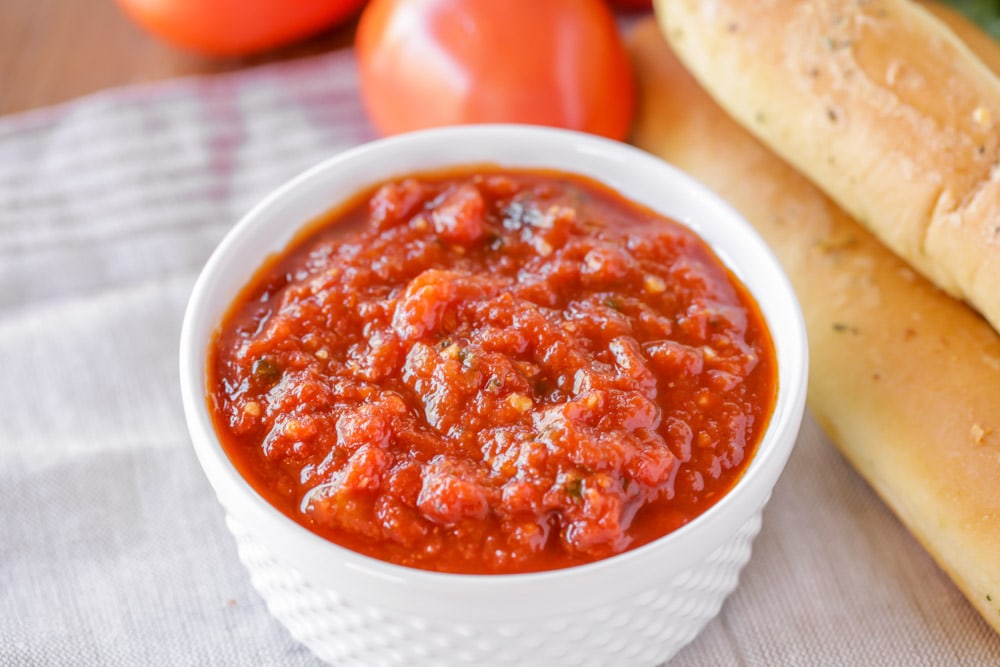
If you’ve ever wondered, “Is marinara pizza sauce?” you’re not alone. Many people assume marinara and pizza sauce are exactly the same because both are made with tomatoes. While they share many ingredients, they are designed for different purposes and have noticeable differences in texture, seasoning, and preparation.
Marinara sauce is one of the most popular Italian tomato sauces. It offers a fresh, rich flavor that works beautifully with pasta, pizza, breadsticks, and countless Italian recipes. In this guide, you’ll discover what marinara sauce is, how it differs from pizza sauce, how to prepare it at home, and the best ways to use and store it.
What Is Marinara Sauce?
Marinara sauce is a classic Italian tomato sauce made with simple, fresh ingredients. Traditional recipes usually combine ripe tomatoes, garlic, onions, olive oil, basil, oregano, and a touch of salt. Some variations also include thyme, parsley, black pepper, or a splash of red wine for extra depth.
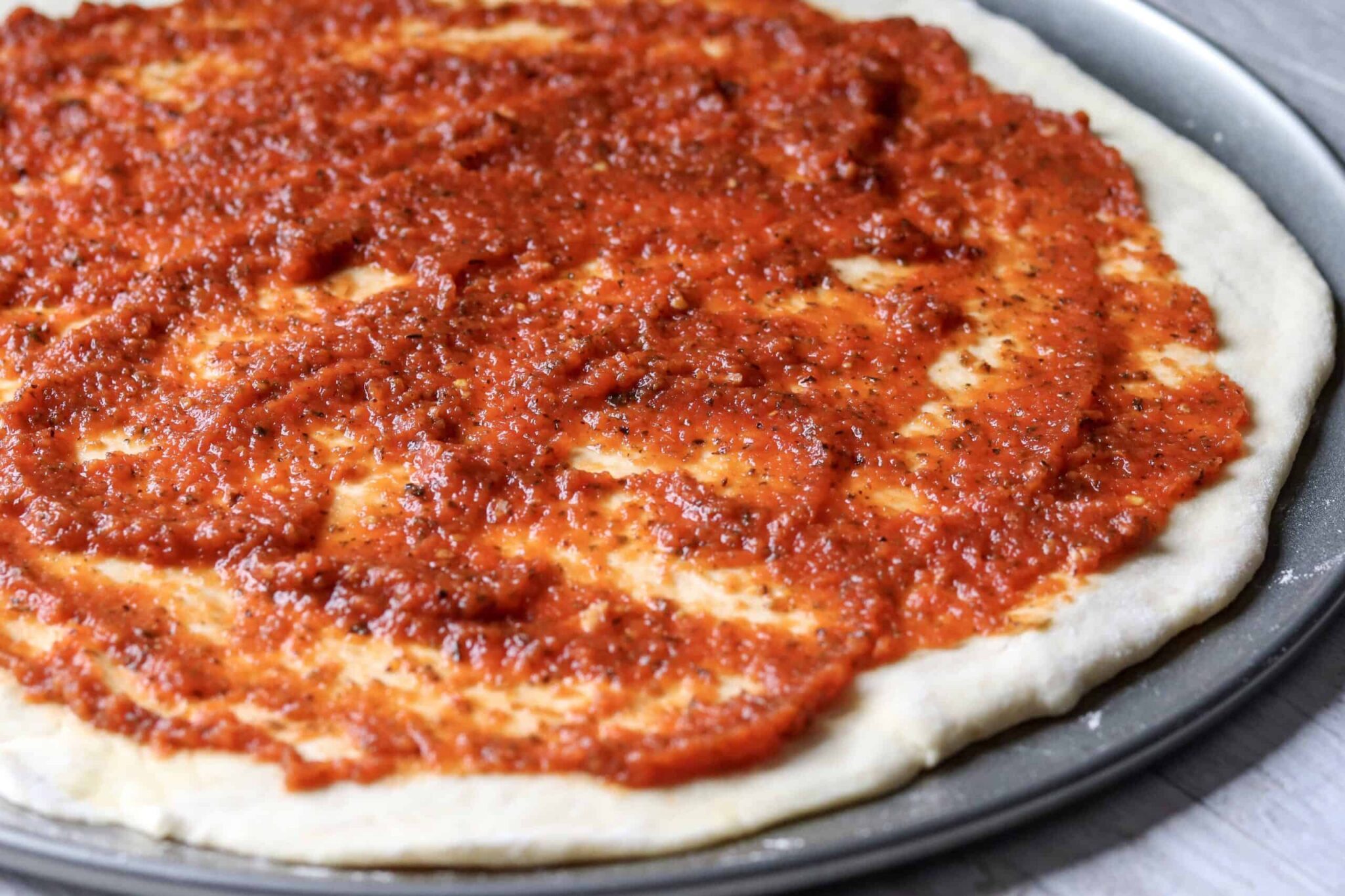
Unlike heavier pasta sauces, marinara is light, bright, and naturally flavorful. It is commonly served with pasta, used as a dipping sauce, or spread over pizza dough.
The History of Marinara Sauce
Marinara sauce originated in Naples, Italy. Historians believe it became popular because it was inexpensive, easy to prepare, and used ingredients that were readily available. Over time, it spread across Europe and North America, becoming one of the most recognized Italian sauces worldwide.
Today, marinara serves as the base for numerous Italian recipes, from pizzas to pasta dishes and baked casseroles.
Is Marinara Pizza Sauce?
Yes, marinara can be used as pizza sauce, but it is not exactly the same as traditional pizza sauce.
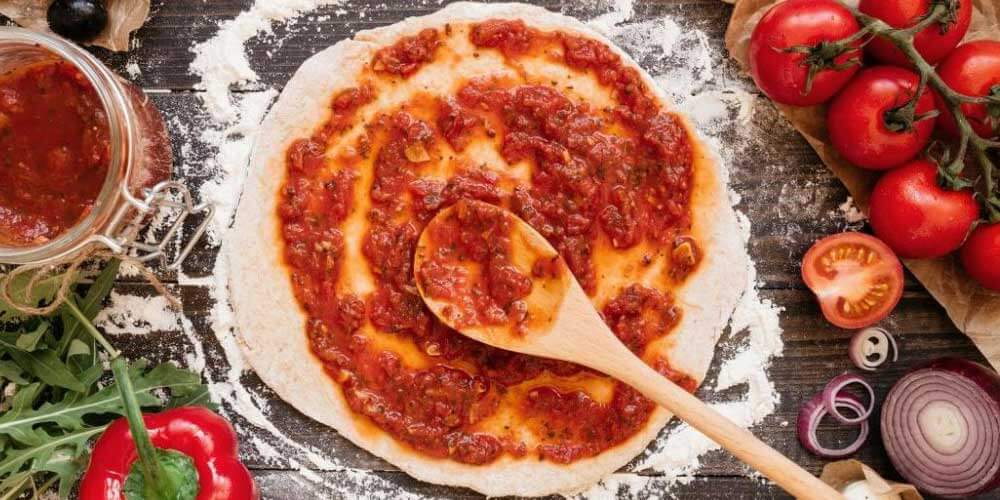
Pizza marinara is actually an authentic Italian pizza topped with tomato sauce, garlic, oregano, and olive oil without cheese. However, in many modern recipes, pizza sauce is prepared differently from marinara. Pizza sauce is generally thicker, less watery, and often contains more concentrated herbs and seasonings to stand up to baking.
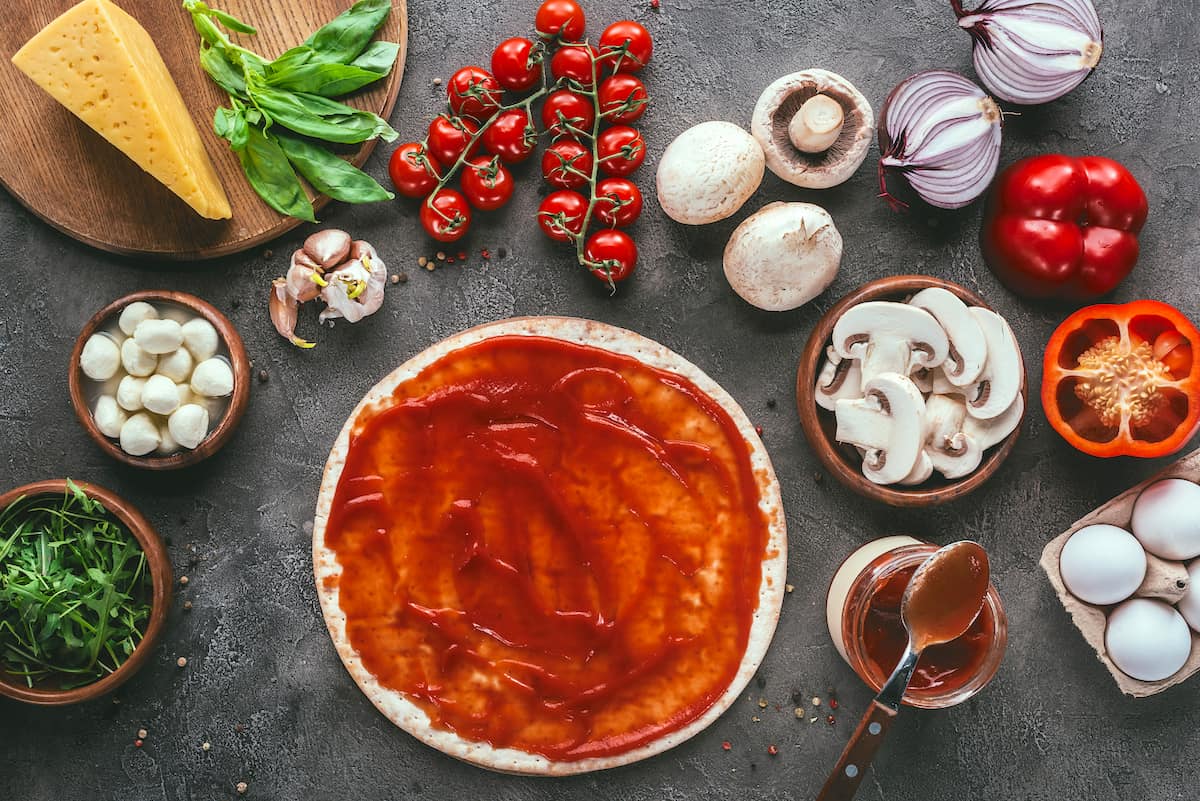
So while marinara works perfectly on homemade pizza, it delivers a fresher and lighter flavor than standard pizza sauce.
Marinara Sauce vs Pizza Sauce
Texture
Marinara is usually thinner because it is simmered with tomatoes and olive oil. Pizza sauce tends to be thicker so it stays on the pizza without making the crust soggy.
Cooking Method
Marinara is normally cooked before serving. Traditional pizza sauce is often made from uncooked crushed tomatoes that cook directly in the oven while the pizza bakes.
Seasoning
Marinara has a balanced blend of garlic, onions, basil, and olive oil. Pizza sauce often contains stronger amounts of oregano, garlic, basil, and additional spices for a bolder baked flavor.
Best Uses
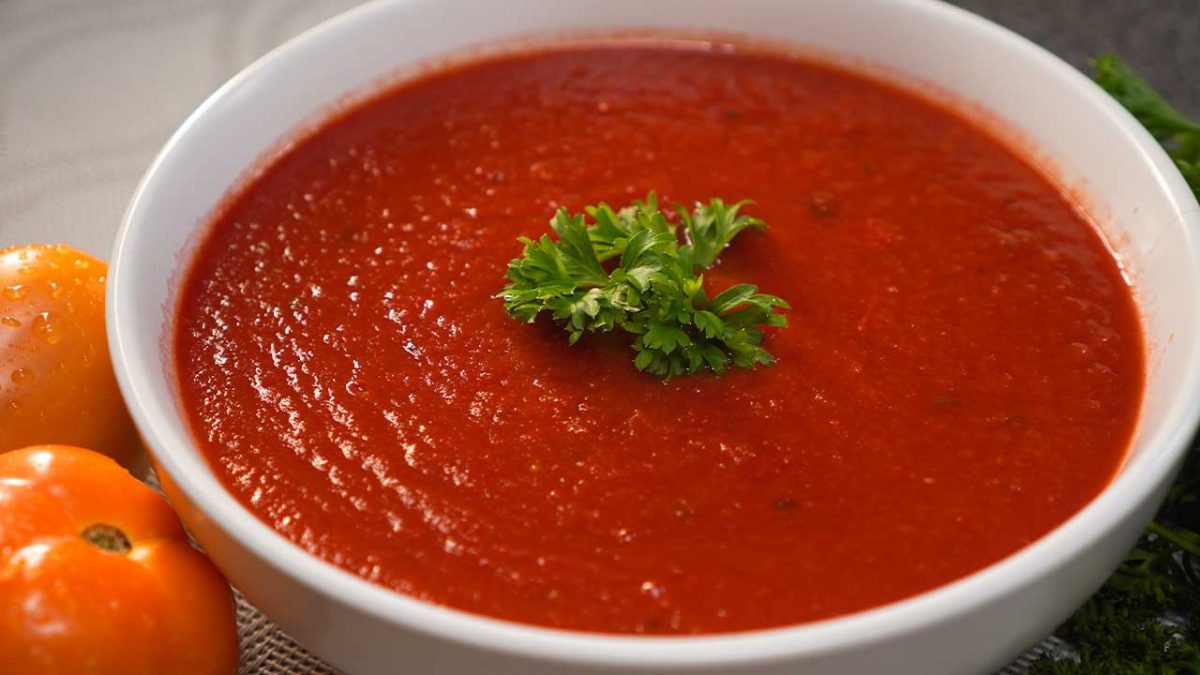
Marinara is ideal for pasta, dipping sauces, casseroles, and pizza. Pizza sauce is designed specifically for pizzas and flatbreads.
Can Marinara Sauce Replace Pizza Sauce?
Absolutely. Marinara is one of the easiest substitutes for pizza sauce because both are tomato-based. If your marinara seems too thin, simply simmer it for a few extra minutes to reduce excess moisture before spreading it on pizza dough.
You can also add a little oregano, basil, garlic powder, or tomato paste to create a richer pizza-style flavor.
Ingredients Needed for Homemade Marinara Sauce
- Canned or fresh tomatoes
- Olive oil
- Garlic cloves
- Onion
- Fresh basil
- Oregano
- Salt
- Black pepper
- Optional red wine or thyme
How to Make Marinara Sauce at Home
Step 1: Cook the Aromatics
Heat olive oil in a saucepan over medium heat. Add chopped onions and garlic, then cook until fragrant and soft.
Step 2: Add the Tomatoes
Pour in crushed or canned tomatoes and stir well.
Step 3: Season the Sauce
Add basil, oregano, salt, pepper, and any optional herbs you enjoy.
Step 4: Simmer
Allow the sauce to cook gently for 15–20 minutes until slightly thickened.
Step 5: Finish and Serve
Taste the sauce, adjust the seasoning, and serve immediately over pasta or spread it onto pizza dough.
Tips for Making Better Marinara Sauce
- Choose high-quality tomatoes for the richest flavour.
- Use fresh garlic instead of garlic powder whenever possible.
- Allow the sauce to simmer slowly to develop deeper flavour.
- Add fresh basil near the end of cooking to preserve its aroma.
- If the sauce becomes too thick, stir in a little water or vegetable stock.
- For pizza, reduce the sauce slightly to prevent a soggy crust.
What Can You Serve with Marinara Sauce?
Marinara sauce is extremely versatile and pairs well with many dishes.
Pasta
Serve it with spaghetti, penne, linguine, ravioli, gnocchi, or lasagna.
Pizza
Spread it over homemade pizza dough before adding cheese and toppings.
Appetizers
Use marinara as a dipping sauce for mozzarella sticks, garlic bread, breadsticks, or fried vegetables.
Italian Recipes
Add it to baked pasta, meatballs, stuffed peppers, or eggplant parmesan.
How to Store Marinara Sauce
Allow the sauce to cool completely before transferring it into an airtight container.
- Refrigerator: Store for up to 5 days.
- Freezer: Store for up to 3 months.
When ready to use, thaw overnight in the refrigerator and reheat gently on the stovetop.
Best Substitutes for Marinara Sauce
If you don’t have marinara sauce available, consider these alternatives:
- Pizza sauce
- Arrabbiata sauce
- Tomato basil sauce
- Crushed tomatoes with herbs
- Tomato paste mixed with olive oil and seasonings
- Puttanesca sauce
Final Thoughts
So, is marinara pizza sauce? The answer is both yes and no. Marinara can certainly be used as pizza sauce and delivers a fresh, authentic tomato flavour. However, traditional pizza sauce is generally thicker, more concentrated, and specifically designed for baking on pizza.
Whether you’re preparing homemade pizza, pasta, or Italian appetisers, marinara sauce remains one of the easiest and most versatile sauces to make. With just a handful of ingredients, you can create a rich, delicious sauce that complements countless recipes.
Frequently Asked Questions
Can I use marinara sauce instead of pizza sauce?
Yes. Marinara is an excellent substitute for pizza sauce, especially for homemade pizzas. Reducing it slightly will help achieve a thicker consistency.
What is the main difference between marinara and pizza sauce?
Marinara is usually cooked and thinner, while pizza sauce is thicker and often uncooked before baking.
Is marinara sauce only for pasta?
No. Marinara works well with pizza, pasta, breadsticks, meatballs, sandwiches, baked dishes, and as a dipping sauce.
Can homemade marinara sauce be frozen?
Yes. Properly stored in an airtight container, homemade marinara sauce can be frozen for up to three months.
Which tomatoes are best for marinara sauce?
San Marzano tomatoes are widely considered the best choice because of their naturally sweet flavour and low acidity.
Can I make marinara sauce without onions?
Yes. Many authentic recipes use only tomatoes, garlic, olive oil, basil, and oregano.
Is marinara sauce healthy?
Yes. Marinara is generally low in calories and made from nutrient-rich tomatoes, herbs, and olive oil.
Can marinara sauce be used as a dipping sauce?
Absolutely. It pairs perfectly with mozzarella sticks, garlic bread, breadsticks, and fried appetisers.
How long does marinara sauce last in the refrigerator?
Homemade marinara sauce stays fresh for about five days when stored in an airtight container.
Can I make pizza using only marinara sauce?
Yes. Many authentic Italian pizzas, including Pizza Marinara, use marinara-style tomato sauce as the primary topping.
