
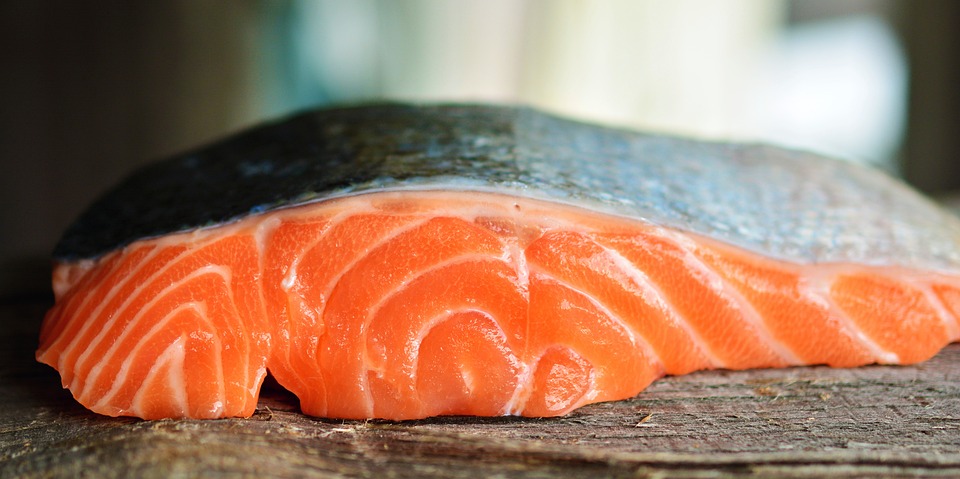
Salmon is a nutritious and versatile fish that works well in everything from quick weekday dinners to salads, pasta dishes, and meal-prep recipes. However, because it is highly perishable, it must be stored correctly to remain fresh and safe to eat.
So, how long does salmon last in the fridge? Raw salmon generally stays fresh for one to two days when refrigerated properly, while cooked salmon can usually be stored for three to four days. The exact storage time depends on the temperature of your refrigerator, the freshness of the fish when purchased, and how quickly it was refrigerated.
This guide explains how to store raw, cooked, and frozen salmon, how to recognise spoilage, and how to safely thaw and reheat leftovers.
What Is Salmon?
Salmon is an oily fish found naturally in both freshwater and saltwater environments. It is popular worldwide because of its rich flavour, tender texture, nutritional value, and ability to work with many different cooking methods.
Salmon can be baked, grilled, poached, pan-fried, steamed, or added to soups, salads, rice bowls, and pasta. Fresh salmon is usually sold as whole fish, fillets, steaks, or skinless portions.
Common Types of Salmon
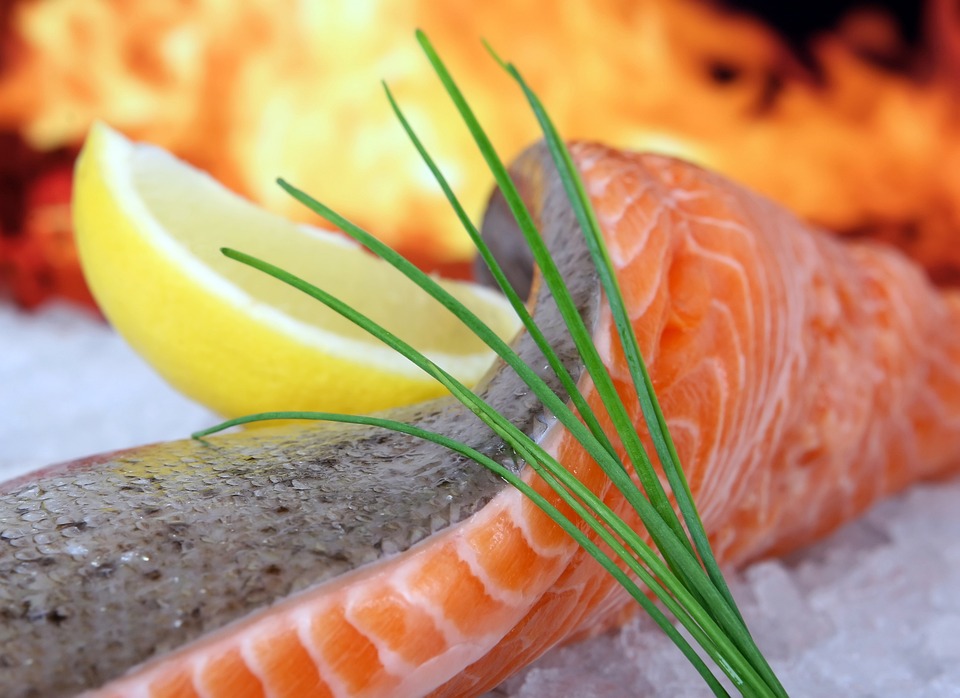
Several varieties of salmon are available, and each one has a slightly different colour, flavour, fat content, and texture.
Atlantic Salmon
Atlantic salmon is commonly farm-raised and is known for its mild flavour, soft texture, and relatively high fat content. It is widely available in supermarkets.
Sockeye Salmon
Sockeye salmon has deep red flesh and a stronger flavour. Its firm texture makes it suitable for grilling, roasting, and smoking.
Chinook Salmon
Also called king salmon, Chinook is valued for its rich flavour and high fat content. It is one of the largest and most desirable salmon varieties.
Coho Salmon
Coho salmon has a milder taste and medium-firm texture. It works well in baked, grilled, and pan-fried recipes.
Pink and Chum Salmon
Pink and chum salmon are lighter in flavour and are often used in canned, frozen, or processed salmon products.
Health Benefits of Salmon
Salmon is an excellent source of high-quality protein and contains several important vitamins and minerals. It is especially well known for providing omega-3 fatty acids, which support normal heart and brain function.
It also contains vitamin B12, vitamin B6, vitamin D, selenium, phosphorus, and potassium. Including salmon as part of a balanced diet may support muscle maintenance, bone health, and general wellbeing.
Although salmon is nutritious, it should still be prepared using safe cooking and storage practices. Its health benefits do not protect it from bacterial growth or spoilage.
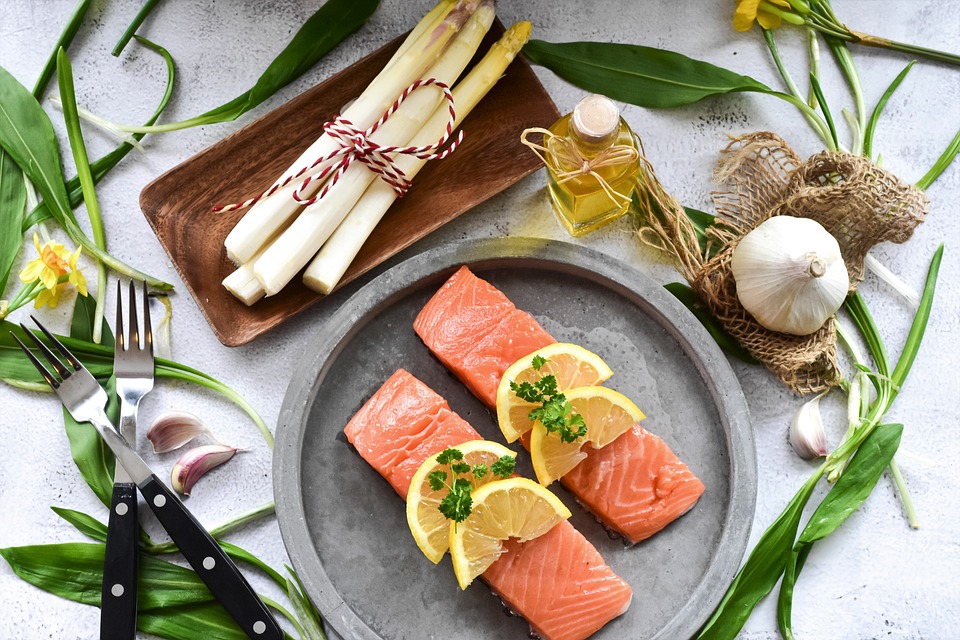
Why Proper Salmon Storage Is Important
Salmon contains moisture and protein, creating conditions in which bacteria can grow when the fish is kept at an unsafe temperature. Incorrect storage may cause salmon to spoil quickly and increase the risk of foodborne illness.
Raw and cooked salmon should be refrigerated within two hours of purchasing, preparing, or serving it. If the surrounding temperature is particularly hot, it should be refrigerated even sooner.
Your refrigerator should remain at or below 40°F or 4°C. Salmon should also be protected from air exposure and kept separate from ready-to-eat foods to prevent cross-contamination.
How Long Does Raw Salmon Last in the Fridge?
Fresh raw salmon generally lasts for one to two days in the refrigerator. For the best quality and safety, cook or freeze it as soon as possible after purchasing it.
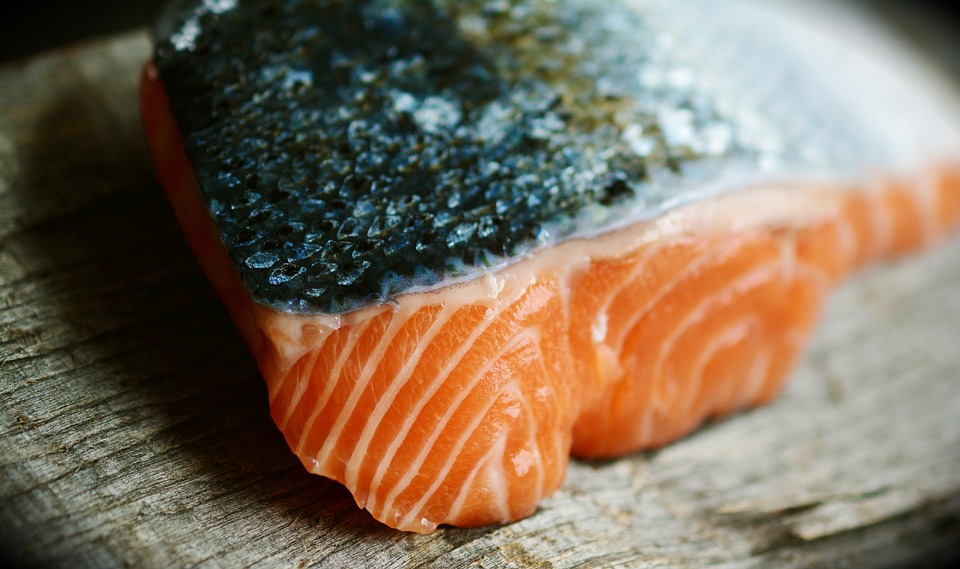
Store raw salmon in its original unopened packaging or place it in a clean, airtight container. If necessary, wrap it tightly with food-safe plastic wrap before placing it inside the container.
Keep the salmon on the lowest refrigerator shelf, where it cannot drip onto fruit, vegetables, cooked meals, or other ready-to-eat foods. The back or bottom section of the refrigerator is usually colder and more temperature-stable than the door.
How Long Does Cooked Salmon Last in the Fridge?
Properly refrigerated cooked salmon usually lasts for three to four days. It should be transferred to the refrigerator within two hours of cooking or serving.
Place the leftovers in a shallow, airtight container so they cool quickly and remain protected from air, moisture loss, and odours from other foods.
Do not rely on smell alone when deciding whether cooked salmon is safe. Even if it appears normal, discard it when it has been stored longer than the recommended period or when you are uncertain how long it has been refrigerated.
How to Store Cooked Salmon Properly
Allow cooked salmon to cool briefly, but do not leave it at room temperature for several hours. Divide large portions into smaller pieces and place them in shallow containers to help them cool more quickly.
Seal the container tightly and label it with the cooking date. Keeping track of the date makes it easier to use the salmon within three to four days.
Avoid storing cooked salmon beside uncovered foods with strong aromas. Although odours do not necessarily make the fish unsafe, they can affect its flavour and overall quality.
How Long Does Frozen Salmon Last?
Freezing salmon can extend its storage life considerably. For the best flavour and texture, frozen raw salmon is generally best used within two to three months, although properly frozen food can remain safe for longer when continuously stored at 0°F or -18°C.
Cooked salmon is also best used within approximately two to three months for optimal quality. Over time, frozen salmon may become dry, develop freezer burn, or lose some of its original flavour.
Freezing does not improve fish that has already begun to spoil. Only freeze salmon that is still fresh and within its safe refrigeration period.
How to Freeze Salmon Correctly
Pat the salmon dry with clean paper towels and wrap each portion tightly in freezer-safe material. Place the wrapped portions in an airtight freezer container or heavy-duty freezer bag.
Remove as much air as possible before sealing the package. Label it with the type of salmon and the freezing date, and store it flat until completely frozen.
Vacuum sealing can provide additional protection against air exposure and freezer burn, but the salmon should still be frozen while it is fresh.
Important Tips for Storing Salmon
Keep salmon at or below 40°F or 4°C and avoid leaving it on the kitchen counter. Store it in sealed packaging to reduce air exposure and prevent raw juices from contaminating other food.
Keep raw salmon away from cooked food and fresh produce. Use separate chopping boards and utensils when preparing raw fish, and wash your hands thoroughly before and after handling it.
When storing leftovers, write the date on the container. If you do not expect to eat the salmon within the recommended refrigerator period, freeze it as soon as possible.
Never taste questionable salmon to determine whether it is spoiled. When its storage history is uncertain, throwing it away is safer than taking an unnecessary risk.
What Happens If Salmon Is Stored Incorrectly?
Improperly stored salmon may develop unpleasant flavours, lose its firm texture, and support the growth of harmful microorganisms. Eating contaminated fish may lead to symptoms such as nausea, stomach pain, vomiting, or diarrhoea.
Keeping salmon in an uncovered container may also cause it to dry out or absorb odours from other foods. Raw fish stored above ready-to-eat ingredients may drip onto them and create a cross-contamination risk.
Salmon that has remained at room temperature for more than two hours should normally be discarded. During hot weather or in a warm environment, that safe period may be even shorter.
How to Tell If Salmon Has Gone Bad
Fresh salmon should have firm, moist flesh and a mild scent. Its colour may vary depending on the species, but it should generally look bright and even rather than dull or patchy.
Strong or Unpleasant Odour
A strong sour, rancid, or ammonia-like smell is a clear warning sign. Fresh salmon may have a mild sea-like aroma, but it should not smell sharply unpleasant.
Soft or Slimy Texture
Fresh salmon should feel firm and spring back slightly when touched. A sticky coating, excessive slime, or flesh that feels unusually soft and mushy may indicate spoilage.
Discolouration
Grey areas, dark patches, unusual fading, or mould growth are reasons to discard the salmon. Some natural colour variation is normal, but significant changes combined with an unpleasant smell or texture are concerning.
Damaged or Swollen Packaging
Do not use salmon from packaging that is leaking, unusually swollen, badly damaged, or no longer properly sealed. Check the use-by date and follow any storage instructions printed on the label.
What Does Spoiled Salmon Taste Like?
Spoiled salmon may taste sour, bitter, rancid, or unusually fishy. However, tasting salmon to test its freshness is unsafe because contaminated food may not always have an obvious flavour.
Inspect the fish before cooking or serving it. If you notice a bad smell, slimy surface, mushy texture, mould, or questionable storage history, discard it without tasting it.
How to Choose High-Quality Fresh Salmon
Look for salmon with firm, moist flesh and an even, vibrant colour. Avoid portions with dried edges, brown spots, heavy bruising, excessive liquid, or visible separation between the muscle layers.
If purchasing a whole salmon, check that the eyes appear clear rather than cloudy and that the gills are red or pink. The fish should smell mild and fresh.
When buying packaged salmon, inspect the seal and verify the use-by date. Purchase refrigerated seafood near the end of your shopping trip and take it home promptly, ideally in an insulated bag during warm weather.
Both farm-raised and wild-caught salmon can be nutritious choices. Select products from trusted sellers and consider recognised sustainability certifications when environmental impact is important to you.
How to Thaw Frozen Salmon Safely
The safest way to thaw frozen salmon is in the refrigerator. Place the wrapped fish on a plate or inside a container to catch any liquid, and allow it to thaw overnight.
For faster thawing, keep the salmon in a leak-proof bag and submerge it in cold water. Change the water regularly so it remains cold, and cook the fish immediately after thawing.
Salmon may also be thawed in a microwave using the defrost setting, but it should be cooked immediately because some areas may begin to warm or cook during the process.
Do not thaw salmon on the kitchen counter, as the outside can enter an unsafe temperature range while the centre remains frozen.
Can Thawed Salmon Be Refrozen?
Raw salmon thawed safely in the refrigerator may generally be refrozen, although its texture may decline. Salmon thawed using cold water or a microwave should be cooked before it is frozen again.
Cooked salmon can also be refrozen when it has been handled safely and has not remained at room temperature for too long.
How to Reheat Cooked Salmon
Salmon should be reheated gently to prevent it from becoming dry. Only reheat the amount you plan to eat, as repeated cooling and reheating can reduce quality and increase handling risks.
Reheating Salmon in the Oven
Preheat the oven to approximately 275°F to 300°F. Place the salmon in an oven-safe dish, add a small amount of water or stock, and cover it loosely with foil.
Heat it for about 10 to 15 minutes, depending on the thickness of the portion, until it is thoroughly warmed.
Reheating Salmon in the Microwave
Place the salmon in a microwave-safe dish and cover it loosely. Heat it at reduced power in short intervals, checking frequently to avoid overcooking.
Let it rest briefly after heating so the temperature can distribute evenly throughout the portion.
Reheating Salmon on the Stovetop
Place the salmon in a covered pan over low heat with a small amount of water, stock, or sauce. Warm it slowly until heated throughout.
Popular Ways to Cook Salmon
Salmon can be prepared using several simple cooking methods. The best technique depends on the texture, flavour, and type of meal you want to create.
Baked Salmon
Baking is a convenient method for cooking larger fillets or several portions at once. Salmon can be seasoned with lemon, garlic, herbs, mustard, honey, or spices before being placed in the oven.
Grilled Salmon
Grilling gives salmon a lightly smoky flavour and crisp exterior. Firm, skin-on portions are especially suitable because the skin helps hold the fish together.
Pan-Fried Salmon
Pan-frying creates a crisp surface while keeping the centre tender. Begin with a hot pan and cook the salmon skin-side down when using a skin-on fillet.
Poached Salmon
Poaching cooks salmon gently in water, stock, or another seasoned liquid. It produces a delicate texture and works well for salads, sandwiches, and lighter meals.
Easy Salmon Recipe Ideas
Grilled Salmon with Potatoes and Asparagus
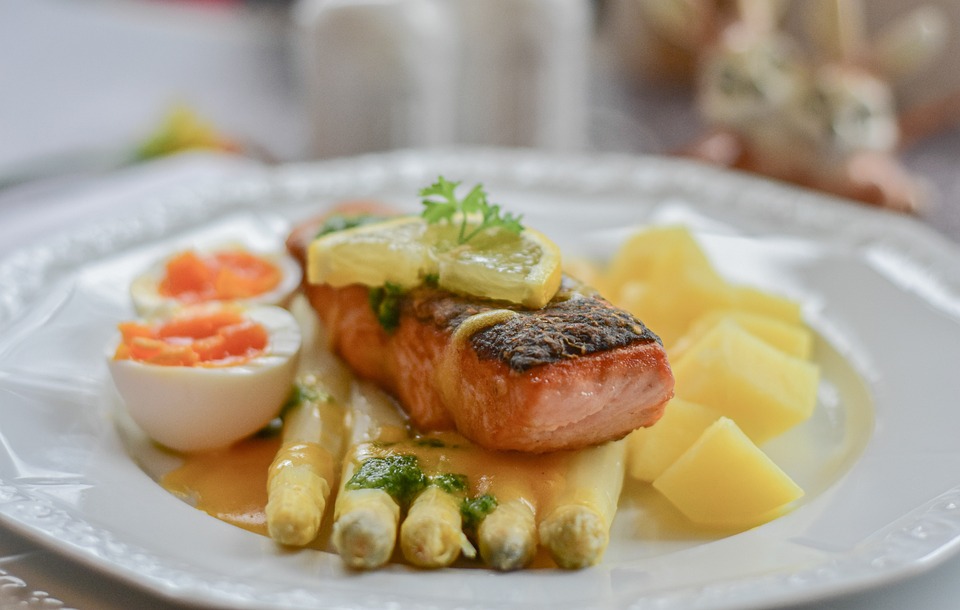
Serve grilled salmon with roasted baby potatoes and asparagus for a balanced meal. Lemon juice, black pepper, and fresh herbs add flavour without overpowering the fish.
Baked Salmon with Creamy Dill Sauce
Bake salmon until tender and serve it with a sauce made from dill, lemon, yoghurt, or cream. This dish pairs well with rice, steamed vegetables, or a fresh salad.
Pan-Fried Salmon with Herbed Rice
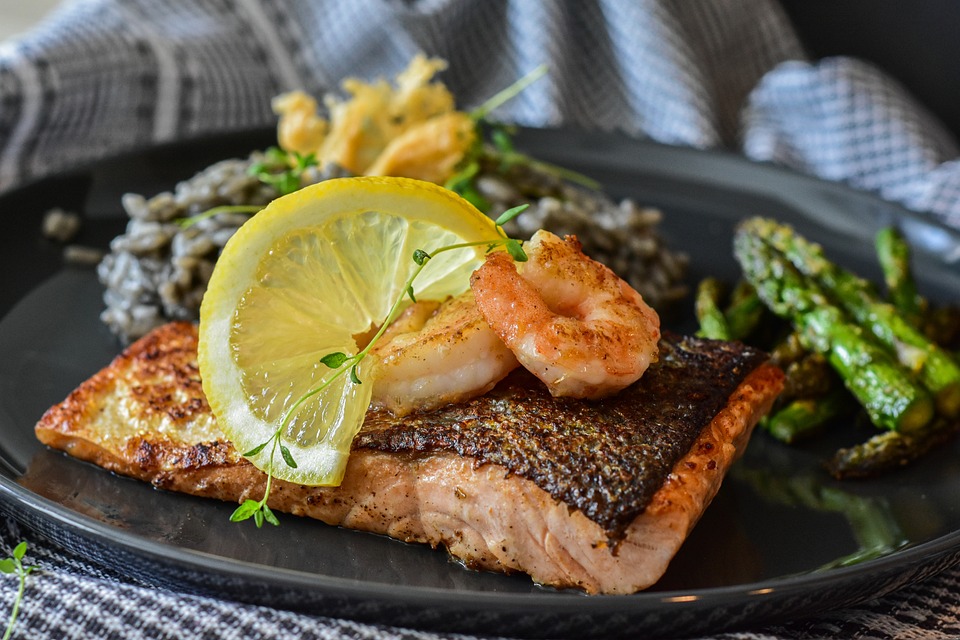
Pan-fried salmon can be served with rice cooked in stock and mixed with parsley, coriander, or other fresh herbs.
Poached Salmon with Avocado Salsa
Top gently poached salmon with a mixture of avocado, tomato, lime juice, and herbs for a fresh and colourful meal.
Grilled Salmon with Mango Salsa
Combine grilled salmon with mango, red onion, lime juice, and coriander for a sweet and savoury dish.
Frequently Asked Questions
How long does raw salmon last in the refrigerator?
Raw salmon generally lasts for one to two days when kept at or below 40°F or 4°C. Cook or freeze it within that period.
Can raw salmon stay in the fridge for four days?
Keeping raw salmon in the refrigerator for four days is generally not recommended. Unless the manufacturer’s unopened-packaging instructions specifically provide a longer safe period, it is better to discard it.
Can raw salmon last for seven days in the fridge?
No. Seven days is too long for ordinary refrigerated raw salmon. It should usually be cooked or frozen within one to two days.
How long does cooked salmon last in the fridge?
Cooked salmon normally lasts for three to four days when refrigerated promptly in a sealed container.
Can I eat cooked salmon after three days?
Cooked salmon may be eaten after three days when it was refrigerated within two hours, kept continuously cold, and shows no signs of spoilage.
Is cooked salmon safe after five days?
Five-day-old cooked salmon is beyond the usual recommended three-to-four-day refrigerator period. The safest option is to discard it.
Can I cook raw salmon after three days in the fridge?
Raw salmon is normally recommended for only one to two days of refrigerated storage. After three days, it may no longer be safe, even when it looks acceptable.
Can salmon last for one week in the refrigerator?
Ordinary raw or cooked salmon should not be stored in the fridge for an entire week. Some unopened smoked salmon products may have different storage instructions, so always follow the package label.
Can salmon smell fishy without being spoiled?
Fresh salmon may have a mild sea-like scent. However, a strong fishy, sour, rancid, or ammonia-like smell suggests that it should be discarded.
Should salmon be washed before cooking?
Washing raw salmon is generally unnecessary and may spread bacteria around the sink and nearby surfaces. Pat the fish dry with clean paper towels instead.
Can I freeze salmon before its use-by date?
Yes. Freeze it while it is still fresh and before the use-by date. Wrap it tightly, place it in freezer-safe packaging, and label it with the freezing date.
How long can salmon stay at room temperature?
Salmon should not remain at room temperature for more than two hours. In very warm conditions, refrigerate it within one hour.
Can I eat salmon cold from the fridge?
Properly cooked salmon can be eaten cold when it was refrigerated promptly and remains within the recommended three-to-four-day storage period.
What is the safest way to thaw frozen salmon?
Thaw frozen salmon overnight in the refrigerator. Cold-water and microwave thawing are faster alternatives, but the salmon should be cooked immediately afterward.
How can I make salmon last longer?
Keep it tightly sealed, maintain a refrigerator temperature of 40°F or 4°C or below, and freeze it promptly when it will not be used within its recommended refrigeration period.
Final Thoughts
Raw salmon generally lasts for one to two days in the refrigerator, while cooked salmon remains suitable for approximately three to four days when stored correctly. Frozen salmon provides the best quality when used within two to three months.
Always keep salmon cold, use sealed containers, prevent cross-contamination, and label leftovers with the storage date. When the fish has an unpleasant smell, slimy texture, unusual discolouration, or uncertain storage history, discard it rather than taking a food-safety risk.
