
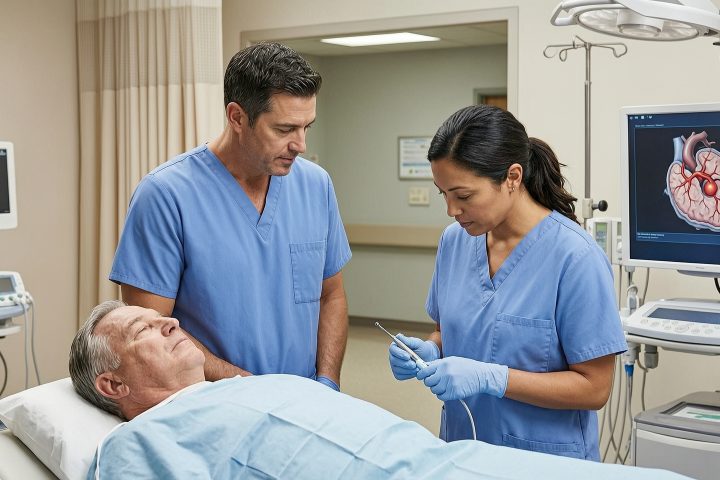
Understanding the Critical Need for Specialized Care in Brain Aneurysm Treatment
A brain aneurysm represents a life-threatening medical emergency that requires immediate, highly specialized intervention. When a blood vessel in the brain weakens and bulges, the risk of rupture can lead to catastrophic hemorrhage, permanent disability, or death. For patients and their families facing this diagnosis, finding the best hospitals for brain aneurysm surgery is not merely a preference but a critical survival decision. The complexity of neurovascular procedures demands a level of expertise, technology, and multidisciplinary coordination that only top-tier medical centers can provide.
The journey toward recovery begins with selecting a facility that has demonstrated consistent success rates in treating both unruptured and ruptured aneurysms. These institutions typically boast dedicated neurosurgery departments with fellowship-trained vascular neurosurgeons and interventional neuroradiologists who perform hundreds of these complex cases annually. High-volume centers are statistically more likely to achieve better patient outcomes because their teams have refined their techniques through extensive experience. Furthermore, the availability of advanced imaging technologies and comprehensive intensive care units specifically designed for neurocritical care plays a pivotal role in managing the delicate post-operative period.
Beyond clinical expertise, the financial landscape of such major surgeries is often daunting. Understanding the cost structures associated with brain aneurysm treatment and navigating insurance coverage are essential steps for any patient preparing for this procedure. Costs can vary significantly depending on the hospital’s location, the specific surgical technique employed (such as endovascular coiling versus open microsurgical clipping), and the length of the hospital stay required for recovery. This guide aims to demystify the process by highlighting the leading U.S. facilities known for excellence in this field while providing a clear roadmap for understanding the associated expenses and insurance considerations.
Top-Tier Facilities Leading the Way in Neurovascular Excellence
Identifying the best hospitals for brain aneurysm surgery involves looking beyond general reputation to examine specific metrics like case volume, complication rates, and specialized accreditation. Several institutions across the United States have established themselves as global leaders in neurovascular care, consistently ranking at the top of national surveys published by reputable organizations like U.S. News & World Report and the Society of NeuroInterventional Surgery.
The Mayo Clinic in Rochester, Minnesota, stands as a paragon of integrated care. Their Department of Neurological Surgery offers a unique approach where neurosurgeons and interventional radiologists work side-by-side in real-time to determine the optimal treatment strategy for each patient. This collaborative model ensures that the decision between clipping and coiling is made based on the most current data and the specific anatomical nuances of the patient’s aneurysm. The clinic’s ability to handle complex, high-risk cases that other centers might decline makes it a premier destination for those seeking the absolute highest standard of care.
Similarly, Johns Hopkins Medicine in Baltimore, Maryland, maintains a storied legacy in neurosurgery. Their Comprehensive Stroke Center is equipped with state-of-the-art hybrid operating rooms that allow for seamless transitions between open surgery and minimally invasive endovascular procedures. The team at Johns Hopkins is renowned for its research-driven approach, constantly integrating new findings from clinical trials into their daily practice. Patients treated here benefit from access to cutting-edge technologies, including robotic-assisted surgery and advanced 3D visualization tools that enhance precision during delicate aneurysm repairs.
In California, the UCLA Medical Center and Cedars-Sinai Medical Center in Los Angeles represent the West Coast’s finest options for neurovascular care. Both facilities offer comprehensive programs that address the full spectrum of cerebrovascular disorders. They are particularly noted for their rapid response protocols, which are crucial when dealing with ruptured aneurysms where every minute counts. These hospitals also excel in post-acute rehabilitation, ensuring that patients receive continuous support from the moment they leave the operating room through their return to daily life.
On the East Coast, New York-Presbyterian Hospital and Columbia University Irving Medical Center in New York City offer world-class services. Their proximity to major trauma hubs allows them to manage a high volume of emergency cases efficiently. The faculty includes some of the most respected names in the field of neurosurgery, many of whom are pioneers in developing new surgical techniques. The sheer volume of cases handled by these institutions provides a depth of experience that is invaluable when facing rare or complicated aneurysm presentations.
When evaluating potential facilities, it is important to consider whether the hospital is designated as a Primary Stroke Center or a Comprehensive Stroke Center by the Joint Commission. These designations indicate that the facility meets rigorous standards for staffing, equipment, and performance metrics specifically related to stroke and aneurysm care. Choosing a hospital with this designation ensures that the institution is prepared to handle the immediate complexities of a ruptured aneurysm with the speed and skill necessary to save lives.
Comparing Surgical Approaches: Clipping vs. Coiling and Their Implications
One of the most significant decisions in the treatment of a brain aneurysm is choosing the appropriate surgical approach. The two primary methods are microsurgical clipping and endovascular coiling, and the choice between them depends heavily on the aneurysm’s size, shape, location, and the patient’s overall health. Understanding these differences is vital when researching the best hospitals for brain aneurysm surgery, as the proficiency of a center in one method over the other can influence the outcome.
Microsurgical clipping involves a craniotomy, where a section of the skull is removed to access the brain directly. A surgeon then places a small metal clip across the neck of the aneurysm to prevent blood flow into the weakened area. This open surgery approach is often preferred for large, wide-necked aneurysms or those located in areas that are difficult to reach with catheters. It offers a definitive cure with a very low recurrence rate, making it a preferred option for younger, healthier patients who can tolerate the physical stress of open surgery.
In contrast, endovascular coiling is a minimally invasive procedure performed through a small incision in the groin. A catheter is threaded through the arteries up to the brain, and tiny platinum coils are deployed inside the aneurysm to induce clotting and seal off the vessel. This approach generally results in shorter hospital stays and faster recovery times compared to clipping. However, it may require follow-up treatments if the aneurysm regrows, and it is not always suitable for all aneurysm morphologies. Centers that excel in endovascular neurosurgery often have specialized teams trained in using stents and flow diverters to assist in these complex cases.
The debate between clipping and coiling has been the subject of extensive research, including the International Subarachnoid Aneurysm Trial (ISAT) and the Barrow Ruptured Aneurysm Trial (BRAT). While studies suggest that coiling may have short-term benefits regarding functional independence after a rupture, long-term data indicates that clipping often provides more durable protection against re-bleeding. The best hospitals for brain aneurysm surgery are those that do not bias toward one technique but instead offer both options, allowing a multidisciplinary team to recommend the path that offers the best balance of safety and efficacy for the individual patient.
Patient-specific factors play a massive role in this decision-making process. Age, pre-existing conditions, and the urgency of the situation (whether the aneurysm is ruptured or unruptured) all weigh into the equation. For instance, elderly patients or those with significant comorbidities might be better candidates for coiling due to the lower immediate physiological stress. Conversely, a healthy young adult with a complex aneurysm might benefit more from the permanence of clipping. The expertise of the surgical team in performing both procedures is what truly defines a top-tier facility.
Comprehensive Cost Breakdown and Financial Planning for Neurosurgery
The financial implications of undergoing brain aneurysm surgery are substantial and vary widely based on the facility, the procedure type, and the duration of the hospital stay. For patients seeking the best hospitals for brain aneurysm surgery, understanding the cost structure is essential for effective financial planning and insurance navigation. Without proper preparation, the shock of medical bills can add unnecessary stress to an already difficult situation.
Microsurgical clipping is generally more expensive than endovascular coiling due to the longer operative time, the need for a larger operating team, and the extended recovery period in the intensive care unit. On average, the total cost for clipping can range from $150,000 to $300,000 or more, depending on complications and the length of stay. Endovascular coiling, while less invasive, still carries a high price tag, typically ranging from $100,000 to $200,000, largely driven by the cost of the specialized coils, stents, and catheters used during the procedure.
Beyond the surgical fees, patients must account for pre-operative testing, which includes CT angiograms, MRIs, and digital subtraction angiography. Post-operative care, including ICU monitoring, physical therapy, and potential rehabilitation, adds significantly to the final bill. In high-cost urban centers like New York or Boston, these figures can be even higher due to increased overhead costs. It is crucial for patients to request a detailed estimate from the hospital’s billing department before the procedure to understand what is covered and what might be out-of-pocket.
Insurance coverage is another critical factor. Most major insurance plans, including Medicare and Medicaid, cover medically necessary aneurysm surgeries. However, the extent of coverage depends on the specific plan, the network status of the hospital, and whether prior authorization was obtained. Out-of-network care can result in significantly higher out-of-pocket costs, so verifying that the chosen hospital and all participating physicians are in-network is a non-negotiable step. Some patients may also face deductibles, copayments, and coinsurance obligations that can amount to thousands of dollars.
To mitigate financial strain, many top hospitals offer financial counseling services. These professionals can help patients navigate their insurance benefits, apply for charity care if eligible, and set up payment plans. Additionally, some institutions have grants or assistance programs specifically for neurosurgical patients. It is advisable to contact the hospital’s financial office early in the process to explore all available options. Being proactive about finances can prevent unexpected debt and allow the patient to focus entirely on their recovery.
| Cost Component | Estimated Range (USD) | Notes |
|---|---|---|
| Surgical Procedure Fee (Clipping) | $80,000 – $150,000 | Includes surgeon, anesthesia, and OR time. |
| Surgical Procedure Fee (Coiling) | $60,000 – $120,000 | Includes device costs (coils/stents). |
| Hospital Stay (ICU + Ward) | $20,000 – $60,000 | Varies by length of stay (typically 7–14 days). |
| Pre-operative Imaging | $5,000 – $10,000 | Digital subtraction angiography, CTA, MRA. |
| Post-op Rehabilitation | $10,000 – $30,000+ | If needed; varies by intensity and duration. |
| Total Estimated Cost | $175,000 – $370,000+ | Highly variable based on complications and location. |
Navigating Insurance Coverage and Patient Rights
Securing adequate insurance coverage for brain aneurysm surgery requires a strategic approach and a thorough understanding of your policy details. When searching for the best hospitals for brain aneurysm surgery, patients should prioritize facilities that are in-network with their insurance provider to minimize out-of-pocket expenses. However, in life-threatening emergencies, the Emergency Medical Treatment and Labor Act (EMTALA) mandates that hospitals stabilize patients regardless of their insurance status, though subsequent transfers or elective procedures may require different arrangements.
Prior authorization is a common requirement for elective aneurysm repair. This process involves the hospital submitting clinical documentation to the insurance company to prove medical necessity. Delays in this approval process can sometimes postpone surgery, so it is vital to initiate this conversation as soon as the diagnosis is confirmed. Patients should ask their healthcare providers to expedite this process and keep copies of all correspondence with the insurance carrier.
Understanding the distinction between in-network and out-of-network providers is crucial. Even within a single hospital system, different physicians—such as anesthesiologists, radiologists, or neurointensivists—may be independent contractors who are not part of the hospital’s network. This “surprise billing” scenario can lead to unexpected charges. Under the No Surprises Act, patients are protected from surprise out-of-network bills for emergency services and certain non-emergency services at in-network facilities, but it is still wise to verify the network status of all involved parties.
For those with Medicare, coverage for brain aneurysm surgery is generally robust, covering both clipping and coiling procedures when deemed medically necessary. Medicare Part B covers outpatient services and physician fees, while Part A covers inpatient hospital stays. However, beneficiaries are responsible for deductibles and coinsurance. Private insurance plans vary widely in their coverage limits and requirements. Some plans may require a second opinion before approving high-cost procedures, so patients should check their specific policy terms.
Appealing a denied claim is a right that patients should exercise if they believe their coverage has been incorrectly denied. This process often requires detailed medical records and letters of medical necessity from the treating physicians. Many hospitals have dedicated patient advocates or billing specialists who can assist in navigating the appeals process. Being persistent and organized during this phase can ensure that the patient receives the coverage they are entitled to without bearing the full financial burden of the surgery.
The Recovery Journey and Long-Term Prognosis
The road to recovery after brain aneurysm surgery is a gradual process that extends well beyond the initial hospital discharge. Whether the patient underwent clipping or coiling, the body needs time to heal, and the brain requires careful monitoring to prevent complications. The quality of the post-operative care provided by the hospital plays a significant role in the speed and completeness of recovery. Top-tier facilities offer comprehensive rehabilitation programs tailored to the specific needs of neurosurgical patients.
Immediately following surgery, patients spend time in the Neuro-Intensive Care Unit (NICU) where they are closely monitored for signs of vasospasm, hydrocephalus, or seizures. This period is critical, as complications can arise within the first few days. The nursing staff in these specialized units are highly trained to recognize subtle changes in neurological status and intervene quickly. The transition from the NICU to a regular neurosurgical ward marks the beginning of active rehabilitation, which may include physical therapy, occupational therapy, and speech therapy depending on the patient’s condition.
Long-term prognosis varies based on several factors, including whether the aneurysm was ruptured prior to treatment, the patient’s age, and the presence of any pre-existing neurological deficits. Patients with unruptured aneurysms treated electively generally have excellent outcomes and can return to normal activities within a few weeks. In contrast, survivors of ruptured aneurysms may face a longer recovery timeline, potentially requiring months of rehabilitation to regain strength, cognitive function, and independence.
Lifestyle modifications are often recommended to reduce the risk of future aneurysm formation or rupture. This includes strict blood pressure management, smoking cessation, and avoiding heavy lifting or strenuous activities that could spike intracranial pressure. Regular follow-up appointments with the neurosurgeon are essential to monitor the healing site and ensure the aneurysm remains sealed. Advanced imaging may be scheduled periodically to confirm the stability of the repair.
Psychological support is another vital component of the recovery process. A diagnosis of a brain aneurysm can be traumatic, leading to anxiety, depression, or post-traumatic stress disorder. Many of the best hospitals for brain aneurysm surgery integrate mental health professionals into their care teams to provide counseling and support groups for patients and their families. Addressing the emotional aspects of the illness is just as important as the physical recovery, contributing to a holistic return to health.
Key Factors to Consider When Selecting Your Healthcare Provider
Selecting the right hospital for brain aneurysm surgery is a decision that should not be taken lightly. Beyond the reputation of the institution, there are several practical factors that patients and families should evaluate to ensure the best possible outcome. These criteria go beyond simple rankings and delve into the day-to-day operations and patient experience of the facility.
First and foremost, look for the volume of procedures performed annually. Research consistently shows that high-volume centers have lower mortality and complication rates. Hospitals that perform dozens or even hundreds of aneurysm surgeries each year have streamlined protocols and experienced teams that can handle unexpected challenges with ease. Ask the referring physician or the hospital directly about their annual caseload for both clipping and coiling procedures.
Second, consider the multidisciplinary nature of the care team. The ideal facility brings together neurosurgeons, interventional neuroradiologists, neurologists, neuro-anesthesiologists, and neurocritical care nurses in a coordinated effort. This team-based approach ensures that every aspect of the patient’s care is managed by specialists who understand the intricacies of cerebrovascular disease. Check if the hospital holds certifications from the Joint Commission as a Comprehensive Stroke Center, which is a gold standard for stroke and aneurysm care.
Third, evaluate the technology and infrastructure available. Modern neurovascular care relies heavily on advanced imaging, intraoperative monitoring, and robotic assistance. Ensure that the hospital has the latest diagnostic tools and surgical equipment. The presence of a hybrid operating room, which combines traditional surgical capabilities with advanced imaging, is a strong indicator of a facility’s commitment to cutting-edge treatment.
Finally, consider the logistical aspects of care, such as the hospital’s location relative to your home and the availability of support services for family members. If you are traveling from out of state, inquire about lodging options near the hospital and whether the facility offers assistance with travel arrangements. The comfort and support of the family unit are integral to the patient’s recovery, and a hospital that accommodates these needs can make a significant difference.
- Verify Surgeon Experience: Ask how many aneurysm surgeries the specific surgeon performs per year.
- Check Complication Rates: Inquire about the hospital’s specific rates for infection, stroke, and mortality related to aneurysm surgery.
- Assess Rehab Services: Ensure the hospital has an on-site rehabilitation program or strong partnerships with local rehab centers.
- Review Patient Testimonials: Look for reviews from former patients regarding their experiences with the care team and communication.
- Confirm Insurance Network Status: Double-check that all doctors and the hospital itself are in-network with your insurance plan.
Step-by-Step Guide to Preparing for Surgery
Preparing for brain aneurysm surgery involves a series of important steps that begin well before the day of the procedure. Proper preparation can help streamline the admission process, reduce anxiety, and ensure that the medical team has all the necessary information to provide safe and effective care. Following a structured checklist can help patients and their families navigate this challenging time with greater confidence.
- Gather Medical Records: Compile all relevant medical history, including previous imaging scans, medication lists, and reports from any prior consultations. Having these documents readily available will facilitate a smoother evaluation by the surgical team.
- Medication Review: Work with your doctor to review all current medications. Certain drugs, such as blood thinners, aspirin, or anti-inflammatory medications, may need to be stopped several days before surgery to reduce bleeding risks.
- Arrange Transportation and Support: Plan for transportation to and from the hospital, as well as a caregiver to stay with you during the initial recovery period. You will not be able to drive yourself home after the procedure.
- Prepare Your Home: Set up a comfortable recovery space at home with easy access to essentials. Remove tripping hazards and ensure that frequently used items are within easy reach to minimize physical strain.
- Complete Administrative Tasks: Fill out all necessary insurance forms, consent documents, and advance directives beforehand. This reduces the administrative burden on the day of admission and allows you to focus on your health.
This preparatory phase is also an opportunity to ask questions and voice any concerns you may have. Do not hesitate to seek clarification on the procedure, the risks involved, and the expected recovery timeline. A transparent and communicative relationship with your healthcare team is foundational to a successful surgical outcome.
Frequently Asked Questions
What is the typical cost of brain aneurysm surgery?
The cost of brain aneurysm surgery varies significantly based on the type of procedure, the hospital location, and the complexity of the case. Generally, endovascular coiling ranges from $100,000 to $200,000, while microsurgical clipping can cost between $150,000 and $300,000 or more. These figures typically include surgeon fees, hospital charges, anesthesia, and intensive care, but patients should verify exact estimates with their specific insurance provider and the hospital’s billing department.
How do I know if a hospital is one of the best for brain aneurysm surgery?
To identify the best hospitals for brain aneurysm surgery, look for facilities designated as Comprehensive Stroke Centers by the Joint Commission. Key indicators include high annual case volumes, a multidisciplinary team of board-certified neurosurgeons and interventional neuroradiologists, and participation in clinical research. Additionally, checking national rankings from sources like U.S. News & World Report and reviewing patient outcome data can provide valuable insights into a hospital’s quality of care.
Does insurance cover brain aneurysm surgery?
Most major health insurance plans, including Medicare and Medicaid, cover brain aneurysm surgery when it is deemed medically necessary. However, coverage levels depend on your specific plan, including deductibles, copayments, and whether the hospital and surgeons are in-network. Prior authorization is often required, and patients should contact their insurance provider to understand their benefits and potential out-of-pocket costs before scheduling the procedure.
What is the recovery time for brain aneurysm surgery?
Recovery time depends on whether the aneurysm was ruptured and the type of surgery performed. For unruptured aneurysms treated with coiling, patients may be discharged within a few days and return to normal activities in a few weeks. Clipping usually requires a longer hospital stay and a recovery period of several weeks to months. Ruptured aneurysms involve a more prolonged recovery, often requiring months of rehabilitation to regain full function.
Can brain aneurysms be prevented?
While not all brain aneurysms can be prevented, especially those caused by genetic factors, lifestyle changes can reduce the risk. Managing high blood pressure, quitting smoking, limiting alcohol consumption, and avoiding illicit drug use are proven strategies to lower the likelihood of aneurysm formation or rupture. Regular check-ups and screening for individuals with a family history of aneurysms are also recommended to detect potential issues early.
Sources
- Mayo Clinic – Brain Aneurysm
- Johns Hopkins Medicine – Vascular Neurosurgery
- UCLA Health – Neurosurgery
- Cedars-Sinai Medical Center – Neurosciences Institute
- National Institute of Neurological Disorders and Stroke (NINDS) – Brain Aneurysm
- The Joint Commission – Stroke Center Certification
- U.S. News & World Report – Best Hospitals for Neurology & Neurosurgery
- American Stroke Association
