
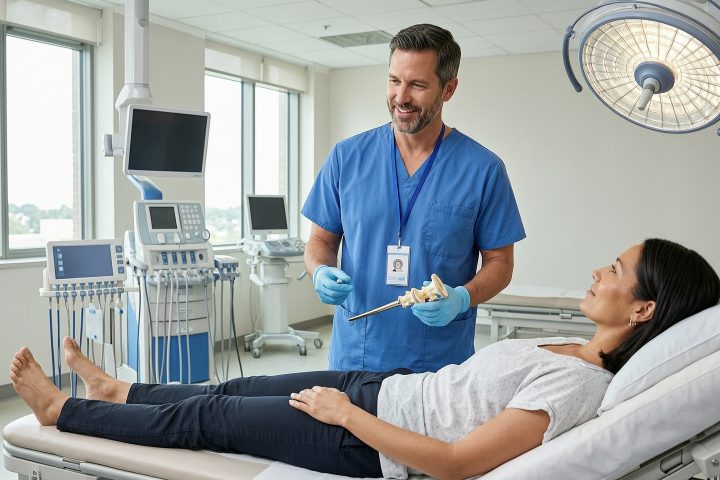
Understanding the Landscape of Disc Replacement Surgery in the United States
When facing debilitating back pain caused by degenerative disc disease, the decision to pursue surgical intervention is often the result of exhausting all conservative treatment options. Among the various surgical procedures available, total disc replacement (TDR) has emerged as a sophisticated alternative to traditional spinal fusion. This procedure aims to preserve motion at the affected spinal segment while alleviating nerve compression and pain. However, finding the best hospitals for disc replacement surgery requires more than just locating a facility with an orthopedic department; it demands identifying centers with specialized expertise, high-volume outcomes, and transparent financial structures.
The landscape of spine care in the USA is vast, but not all facilities offer the same level of proficiency in motion-preserving technologies. The success of disc replacement relies heavily on patient selection, surgical precision, and the postoperative rehabilitation protocols provided by the medical team. Patients seeking the best hospitals for disc replacement surgery must navigate a complex array of factors, including surgeon experience, hospital accreditation, technological capabilities, and the intricate details of insurance coverage. Understanding these variables is crucial for making an informed decision that prioritizes long-term mobility and quality of life.
This comprehensive guide explores the top-tier medical institutions recognized for their excellence in cervical and lumbar disc replacement procedures. We will delve into the specific criteria that define a leading center, analyze the cost structures associated with this advanced surgery, and clarify how major insurance providers and government programs like Medicare approach coverage. By examining real-world data and established medical standards, we aim to provide a clear roadmap for patients and families navigating the path toward spinal restoration.
Defining Excellence: What Makes a Hospital Top-Tier for Spine Procedures
Selecting the best hospitals for disc replacement surgery involves looking beyond general reputation to examine specific performance metrics and specialized resources. A premier facility typically distinguishes itself through a multidisciplinary spine team that includes neurosurgeons and orthopedic surgeons who dedicate a significant portion of their practice exclusively to motion-preserving techniques. High-volume centers are statistically proven to achieve better patient outcomes, lower complication rates, and shorter lengths of stay compared to low-volume facilities. When evaluating potential hospitals, patients should look for institutions that have performed hundreds, if not thousands, of successful disc replacements over the years.
Beyond surgeon volume, the technological infrastructure of the hospital plays a pivotal role in the success of the procedure. Advanced imaging systems, such as intraoperative 3D navigation and robotic-assisted guidance, allow for millimeter-perfect placement of artificial discs. These technologies minimize tissue trauma and ensure optimal alignment, which is critical for the longevity of the implant. Furthermore, the best hospitals for disc replacement surgery often integrate comprehensive preoperative screening protocols to identify candidates who are most likely to benefit from the procedure, thereby reducing the risk of failure due to unsuitable anatomy or underlying conditions.
Rehabilitation services are another cornerstone of excellence in spine care. A top-tier hospital does not simply perform the surgery and discharge the patient; they provide a structured pathway for recovery. This includes access to physical therapists who specialize in spinal mechanics, pain management specialists, and nutritional support to aid healing. The continuity of care extends well beyond the operating room, ensuring that patients receive the necessary guidance to regain full range of motion and return to their daily activities safely. When researching facilities, it is essential to inquire about their specific rehabilitation programs and how they tailor them to disc replacement patients versus those undergoing fusion.
Cervical vs. Lumbar: Specialized Centers for Different Spinal Regions
The spine is divided into distinct regions, each presenting unique anatomical challenges and surgical considerations. Cervical disc replacement addresses issues in the neck, while lumbar disc replacement targets the lower back. Consequently, the best hospitals for disc replacement surgery often develop specialized divisions dedicated to one or both of these areas. Cervical procedures require a delicate approach due to the proximity of vital structures such as the esophagus, trachea, and spinal cord. Hospitals that excel in this area typically feature surgeons with extensive fellowship training specifically in cervical spine reconstruction.
Lumbar disc replacement, conversely, deals with higher mechanical loads and different biomechanical forces. The success of a lumbar procedure depends on the precise sizing of the implant and the integrity of the facet joints surrounding the disc space. Leading centers for lumbar spine care often invest heavily in research and development, participating in clinical trials for next-generation implants. These institutions contribute significantly to the evolving body of knowledge regarding long-term durability and patient satisfaction. Patients seeking treatment for lower back pain should prioritize hospitals that demonstrate a robust track record specifically in lumbar TDR, rather than those that treat the spine as a monolithic unit without regional specialization.
To assist in comparing the capabilities of different institutions, the following table outlines key characteristics that distinguish leading hospitals in both cervical and lumbar specialties. This comparison highlights the specific focus areas, typical patient volumes, and technological assets that define excellence in these respective fields.
| Feature | Cervical Spine Specialists | Lumbar Spine Specialists |
|---|---|---|
| Primary Focus | Neck pain, radiculopathy, myelopathy | Lower back pain, sciatica, stenosis |
| Surgical Approach | Anterior approach (front of neck) | Lateral or posterior approaches (side/back) |
| Key Technology | Intraoperative fluoroscopy, nerve monitoring | Robotic navigation, 3D CT planning |
| Typical Implant Size | Smaller profile, 6-10mm height | Large load-bearing surfaces, 10-14mm height |
| Recovery Emphasis | Rapid return to desk work, limited lifting | Core strengthening, gait training, heavy lifting restrictions |
Understanding these distinctions helps patients narrow their search when looking for the best hospitals for disc replacement surgery. A center that excels in cervical procedures may not necessarily be the primary choice for complex lumbar cases, although many top-tier academic medical centers possess expertise in both. Patients should verify the specific experience of the surgical team with their particular condition before committing to a facility. Additionally, the availability of clinical trials for new implant designs is often concentrated in these specialized departments, offering patients access to cutting-edge treatments that may not be available elsewhere.
Navigating Costs and Financial Planning for Spine Surgery
One of the most significant concerns for patients considering total disc replacement is the financial aspect. Unlike traditional fusion, which has been covered by insurance for decades, disc replacement is a newer technology with varying levels of reimbursement. The cost of the best hospitals for disc replacement surgery can vary widely depending on geographic location, the complexity of the case, and the specific type of implant used. On average, the total cost for a single-level cervical disc replacement can range from $35,000 to $50,000, while lumbar procedures often exceed $50,000 to $70,000. These figures typically encompass surgeon fees, anesthesia, hospital facility charges, and the cost of the artificial disc device itself.
It is imperative for patients to obtain a detailed cost breakdown before scheduling any procedure. Many top hospitals offer financial counseling services to help patients understand their out-of-pocket responsibilities. This includes deductibles, co-insurance percentages, and maximum out-of-pocket limits defined by their insurance plan. Some facilities may also offer financing options or payment plans to make the procedure more accessible. Transparency in pricing is a hallmark of reputable institutions, and patients should be wary of facilities that are vague about costs or pressure them into immediate decisions without a clear financial picture.
Beyond the direct medical costs, there are indirect expenses to consider, such as travel and lodging if the chosen hospital is not local. For patients traveling to the best hospitals for disc replacement surgery, many centers have established partnerships with nearby hotels and offer assistance with travel logistics. Additionally, the potential for lost wages during the recovery period must be factored into the overall financial equation. While disc replacement often allows for a quicker return to work compared to fusion, individual recovery times vary based on the nature of the patient’s job and the extent of the surgery. Comprehensive financial planning ensures that the pursuit of health does not lead to undue economic hardship.
Insurance Coverage and Reimbursement Policies Explained
Securing insurance coverage for disc replacement surgery is a critical step in the patient journey. Most major private insurers, including Blue Cross Blue Shield, Aetna, Cigna, and UnitedHealthcare, now cover total disc replacement for both cervical and lumbar spines, provided specific medical necessity criteria are met. However, coverage policies can differ significantly between plans and even between different states. Medicare, the federal health insurance program for individuals aged 65 and older, has expanded its coverage for cervical disc replacement but maintains more restrictive guidelines for lumbar procedures, often requiring participation in specific clinical registries or trials.
The approval process typically begins with a thorough review of the patient’s medical history, imaging studies, and documentation of failed conservative treatments. Insurance companies often require proof that non-surgical options such as physical therapy, epidural steroid injections, and pain management medications were attempted for a minimum duration, usually six months, without success. The best hospitals for disc replacement surgery employ dedicated insurance coordinators who assist patients in navigating these bureaucratic hurdles. These professionals ensure that all necessary documentation is submitted correctly and promptly, increasing the likelihood of approval and minimizing delays in care.
Patients should be aware of potential exclusions or limitations within their policies. Some plans may limit coverage to a certain number of levels per year or require pre-authorization from a specific tier of specialists. It is also important to verify whether the specific brand of artificial disc being proposed is covered under the patient’s plan, as some newer devices may still be considered experimental by certain payers. Proactive communication with the insurance provider and the hospital’s billing department is essential to avoid unexpected denials. Understanding the nuances of coverage ensures that patients can proceed with their treatment plan without the stress of financial uncertainty.
The Patient Journey: From Evaluation to Recovery
The journey to disc replacement surgery at a top-tier facility follows a structured and supportive pathway designed to optimize outcomes. The process begins with a comprehensive evaluation where the medical team assesses the patient’s eligibility. This stage involves detailed imaging, such as MRI and CT scans, to determine the exact location and severity of disc degeneration. At the best hospitals for disc replacement surgery, this evaluation is conducted by a multidisciplinary team that may include radiologists, physiatrists, and psychologists to ensure the patient is physically and mentally prepared for the procedure.
Once a candidate is identified, the preoperative phase focuses on education and preparation. Patients receive detailed information about the procedure, the expected timeline, and the lifestyle changes required for recovery. This may include smoking cessation programs, weight management strategies, and exercises to strengthen the core muscles prior to surgery. The goal is to enter the operating room in the best possible condition, which significantly reduces the risk of complications and accelerates the healing process. Clear communication between the patient and the care team fosters trust and sets realistic expectations for the outcome.
Postoperative care is equally critical to the success of the surgery. In the immediate aftermath of the procedure, patients are monitored closely in a recovery unit to manage pain and check for any signs of infection or neurological changes. Discharge planning begins early, with instructions provided for home care, wound management, and medication schedules. Physical therapy is initiated either in the hospital or shortly after discharge, focusing on gentle movements to restore range of motion and strength. The rehabilitation protocol is tailored to the specific region of the spine treated, ensuring a safe and effective return to normal activities. Long-term follow-up visits are scheduled to monitor the integration of the implant and the patient’s overall progress.
Key Factors to Consider When Choosing Your Surgical Center
Choosing the right hospital is a decision that can impact a patient’s quality of life for decades. When evaluating potential facilities for the best hospitals for disc replacement surgery, several critical factors must be weighed carefully. First and foremost is the experience of the surgical team. Patients should ask how many disc replacement procedures the surgeon performs annually and what their personal complication and revision rates are. Surgeons who specialize in motion-preserving techniques are more likely to achieve superior results than those who primarily perform fusions.
Secondly, the hospital’s accreditation and safety record are paramount. Look for facilities accredited by organizations such as The Joint Commission, which adhere to rigorous standards for patient safety and quality of care. Additionally, consider the hospital’s involvement in research and innovation. Institutions that participate in clinical trials are often at the forefront of developing new techniques and implants, offering patients access to the latest advancements in spine care. Finally, the patient experience matters. A supportive environment with compassionate staff, clear communication channels, and robust patient resources contributes significantly to overall satisfaction and recovery.
To streamline the decision-making process, patients can use the following checklist to evaluate prospective hospitals:
- Surgeon Volume: Does the surgeon perform at least 50+ disc replacements per year?
- Specialization: Is there a dedicated spine center with subspecialists in cervical or lumbar TDR?
- Technology: Does the facility utilize robotic assistance or advanced navigation systems?
- Outcomes Data: Can the hospital provide published data on patient satisfaction and complication rates?
- Insurance Support: Is there a dedicated team to handle pre-authorization and billing inquiries?
- Rehabilitation Services: Are on-site physical therapy and pain management programs available?
By systematically assessing these factors, patients can identify the best hospitals for disc replacement surgery that align with their specific medical needs and personal values. It is important to remember that the “best” hospital is not necessarily the most famous one globally, but rather the one that offers the highest standard of care for the individual patient’s condition. Taking the time to research and visit potential facilities can provide peace of mind and confidence in the upcoming procedure.
Why Location Matters in Spine Care Decisions
While national rankings and surgeon credentials are vital, the geographic location of the hospital also plays a significant role in the overall treatment experience. For patients requiring multiple follow-up appointments, especially during the initial recovery phase, proximity to the surgical center can reduce stress and logistical burdens. The best hospitals for disc replacement surgery located in major metropolitan areas often attract top talent and offer state-of-the-art facilities, but they may come with higher costs and longer wait times. Conversely, regional medical centers may provide excellent care with a more personalized touch and potentially lower costs, though they might have less access to experimental therapies.
Traveling for surgery is common in the field of spine care, particularly for complex cases or when seeking second opinions. Many top-tier hospitals have developed robust telemedicine platforms to facilitate remote consultations and follow-ups, reducing the need for frequent travel. However, for the actual surgery and the immediate postoperative period, being close to the hospital is highly recommended. This ensures that in the event of an emergency or complication, the patient can receive prompt attention. Patients should weigh the benefits of traveling to a renowned center against the practicalities of recovery logistics, considering their support system and financial resources.
Frequently Asked Questions
What is the difference between disc replacement and spinal fusion?
Spinal fusion involves joining two or more vertebrae together to eliminate motion at that segment, which stops the pain but sacrifices flexibility. Total disc replacement, on the other hand, removes the damaged disc and inserts an artificial device that preserves natural movement. This motion preservation is the primary advantage of disc replacement, potentially reducing stress on adjacent segments and preventing future degeneration. The best hospitals for disc replacement surgery emphasize this benefit for eligible candidates who wish to maintain a high level of activity and mobility.
How long does recovery take after disc replacement surgery?
Recovery timelines vary based on the spinal region and individual health, but generally, patients can expect to return to light activities within a few weeks. For cervical disc replacement, many patients return to desk jobs within 2 to 4 weeks, while lumbar procedures may require 6 to 8 weeks for a full return to work. Complete recovery and bone integration can take up to 6 months. The best hospitals for disc replacement surgery provide structured rehabilitation programs to accelerate this process and ensure safe progression.
Is disc replacement surgery covered by Medicare?
Medicare currently covers cervical total disc replacement for patients who meet specific criteria, including age and medical necessity. However, coverage for lumbar disc replacement is more limited and often requires enrollment in a clinical registry or trial. Patients should consult with their healthcare provider and the hospital’s insurance coordinator to verify current coverage policies, as regulations can change. Understanding these nuances is essential when seeking the best hospitals for disc replacement surgery under Medicare.
Who is a good candidate for disc replacement surgery?
Ideal candidates are typically patients with degenerative disc disease who have not found relief from conservative treatments, have no severe arthritis or instability in the facet joints, and do not have osteoporosis. Age is also a factor, with younger, active patients often benefiting most from motion preservation. A thorough evaluation at the best hospitals for disc replacement surgery is necessary to determine if a patient’s anatomy and medical history make them suitable for the procedure.
What are the risks associated with disc replacement?
Like any surgery, disc replacement carries risks such as infection, bleeding, nerve damage, and implant failure or loosening. There is also a small risk of heterotopic ossification, where bone forms around the implant and restricts motion. However, the rates of these complications are generally low at high-volume centers. Choosing the best hospitals for disc replacement surgery minimizes these risks through expert surgical technique, advanced technology, and rigorous patient selection protocols.
Sources
- National Institute of Neurological Disorders and Stroke – Degenerative Disc Disease
- Centers for Disease Control and Prevention – Arthritis and Back Pain
- American Association of Neurological Surgeons – Total Disk Replacement
- The Joint Commission – Healthcare Accreditation Standards
- Centers for Medicare & Medicaid Services – National Coverage Determinations
