
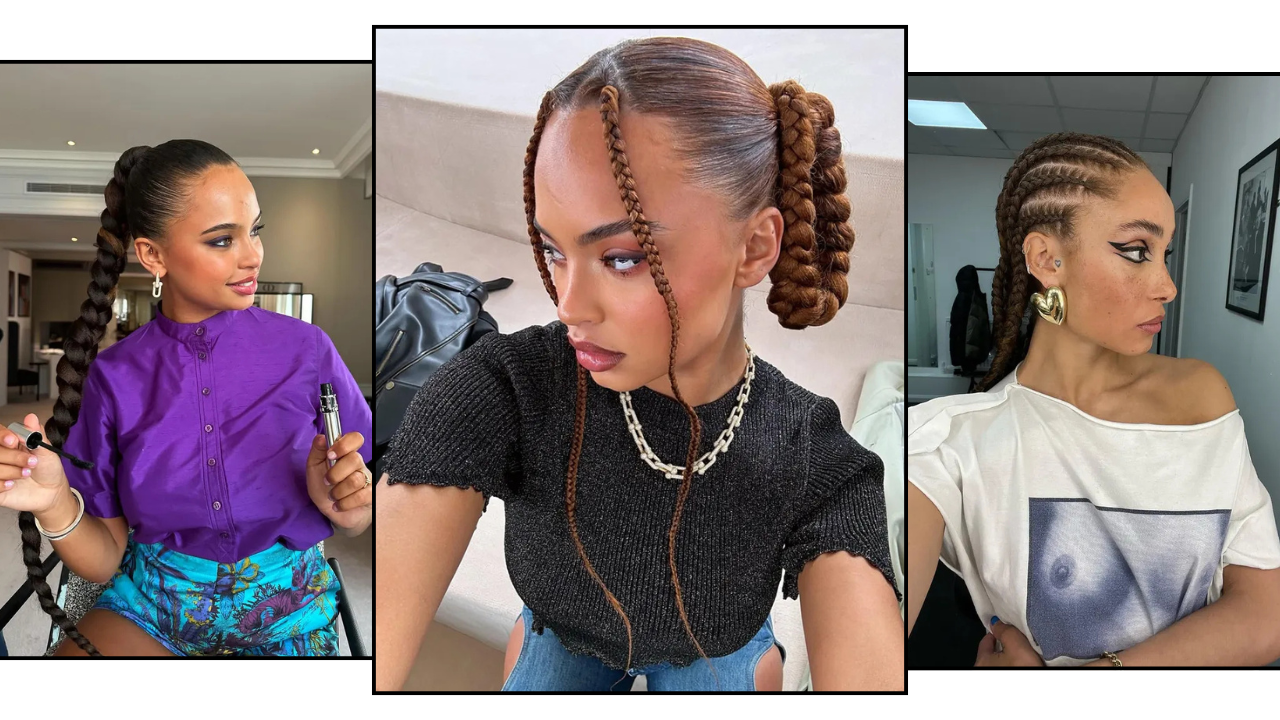
Whether you’re getting ready for a protective hairstyle, planning to try a fresh summer hair trend or simply looking for a new way to wear your hair, braids remain a timeless choice. For Black women in particular, braids have always represented far more than a hairstyle—they are a powerful form of cultural identity, creativity and self-care.
Throughout many African cultures, detailed braiding styles traditionally carried meaning, often reflecting a person’s tribe, age, social status or marital position. Braiding was also a social experience, bringing people together for hours of conversation, storytelling and connection. Even today, the familiar feeling of a rattail comb gliding through the hair to create a perfect parting remains a cherished ritual.
Over time, Black women have continued to influence and shape some of the most iconic braid styles in beauty. From sleek cornrows with laid baby hairs to twist-outs and stitch braids, the possibilities are endless. While the braiding process can be time-consuming, the artistry, tradition and final results make it more than worthwhile.
One of the greatest things about braids is their versatility. Every braid style offers its own unique look and purpose, whether you want a low-maintenance hairstyle, a bold statement or a protective option that supports healthy hair growth. Read on to discover some of the most inspiring braid styles, expert styling advice and tips for keeping your braids looking fresh and beautiful for longer.
Types of Braids
1. Box Braids
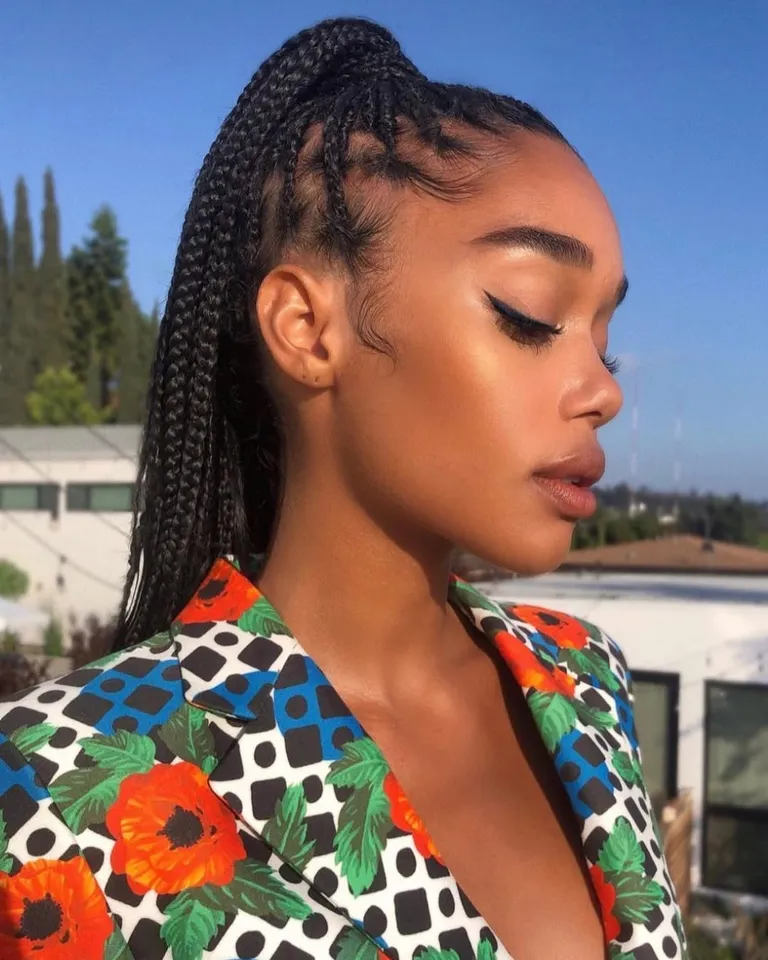
A true classic and one of the most popular protective styles, box braids are created by dividing the hair into neat square-shaped sections before braiding. Extensions are often added for extra volume, colour or length. They are excellent for retaining length and can be worn in ponytails, buns or left loose.
2. Cornrows
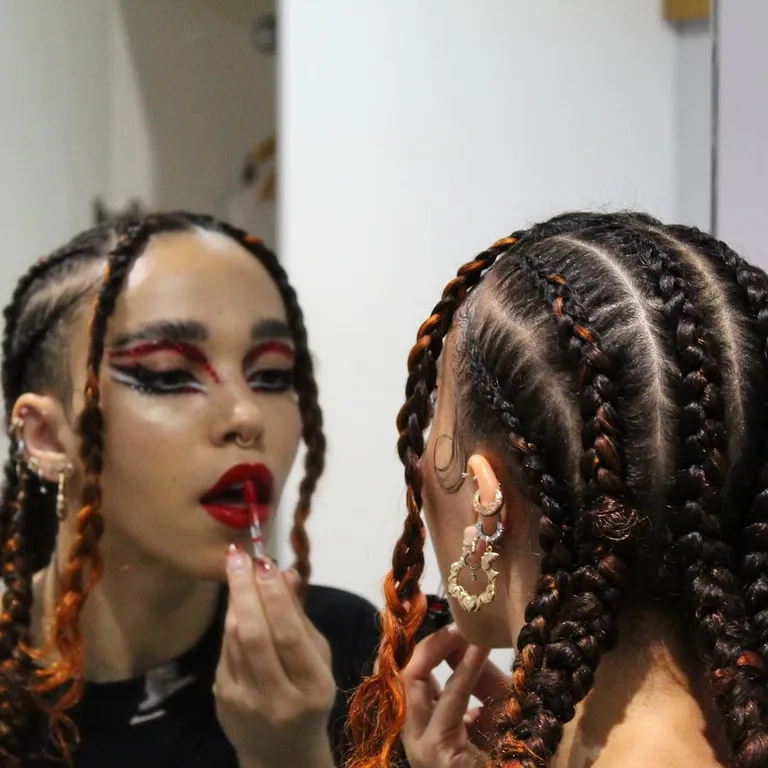
Cornrows are a protective style where the hair is braided close to the scalp in sleek rows. They can range from simple straight-back designs to intricate curved patterns. Extensions, beads and accessories can be added for extra personality. Cornrows are low-maintenance, highly versatile and can remain neat for weeks with proper care.
3. Stitch Braids
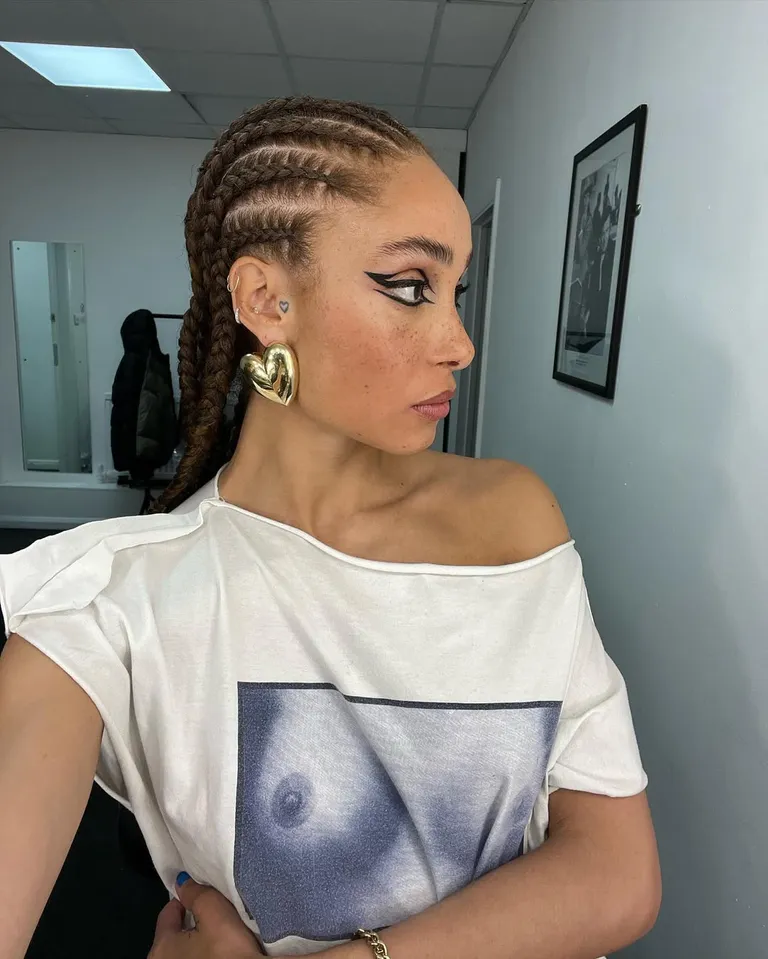
Stitch braids offer a modern twist on traditional cornrows. Hair is sectioned with precision and braided flat to the scalp using a technique that creates clean, defined “stitch-like” lines. They can be styled in straight rows, zigzags or curved patterns and work beautifully with or without extensions.
4. Fulani Braids
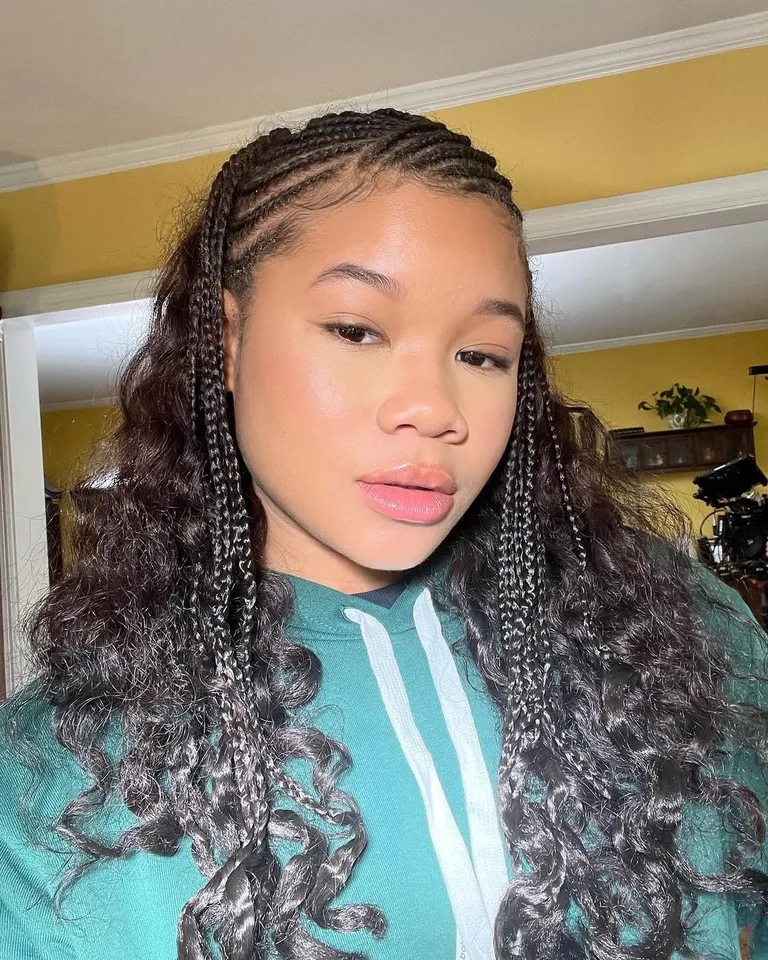
Inspired by the Fulani people of West Africa, Fulani braids typically combine central cornrows with braids that flow freely at the sides or back. They are often enhanced with decorative beads, rings or cowrie shells for a distinctive finish.
5. Knotless Braids
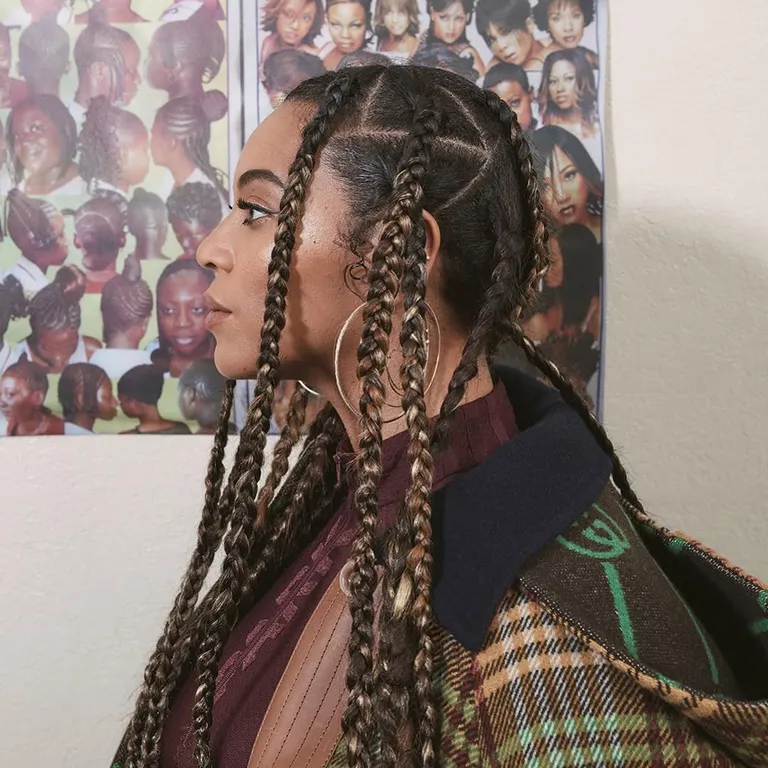
Knotless braids provide the look of traditional box braids but with less tension on the scalp. Instead of beginning with a knot, extensions are gradually fed into the natural hair, creating a smoother and more natural appearance. They are lightweight, comfortable and ideal for sensitive scalps.
6. Micro Braids
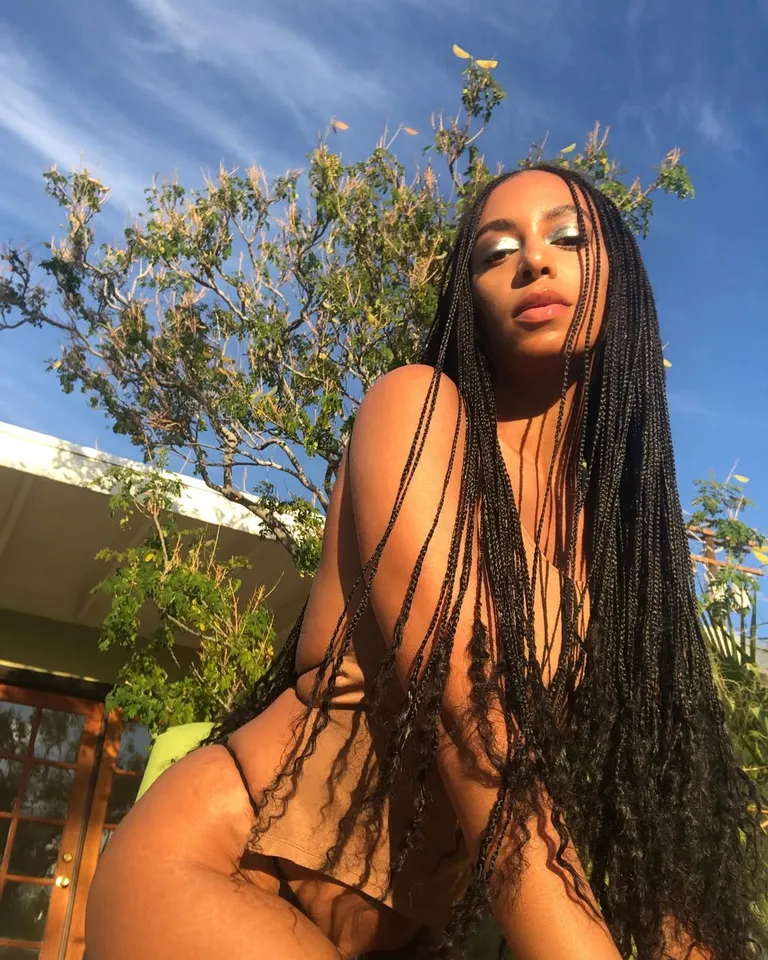
Micro braids are very small individual braids that offer exceptional versatility and long-lasting wear. Although installation can take several hours, they can be styled much like loose hair. To avoid unnecessary stress on your strands, ensure your hair is moisturised and avoid overly heavy extensions.
7. Goddess Braids
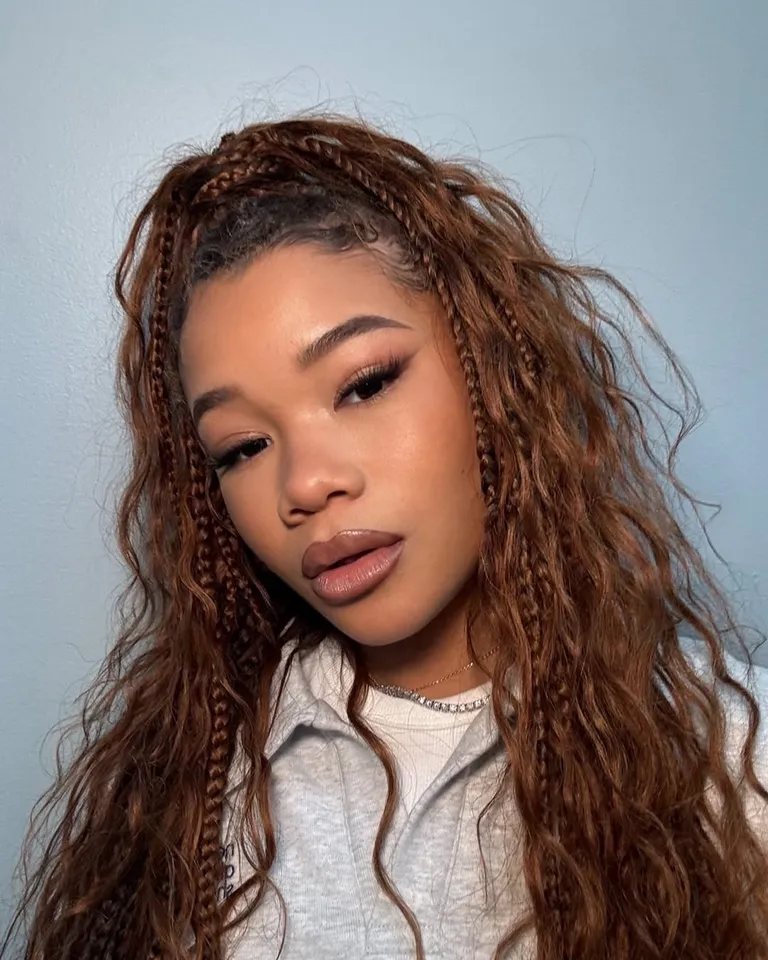
Goddess braids combine traditional braiding techniques with loose curls woven throughout the style. The result is a soft, romantic and voluminous look full of movement. They are especially popular for holidays, weddings and special occasions.
8. Faux Locs
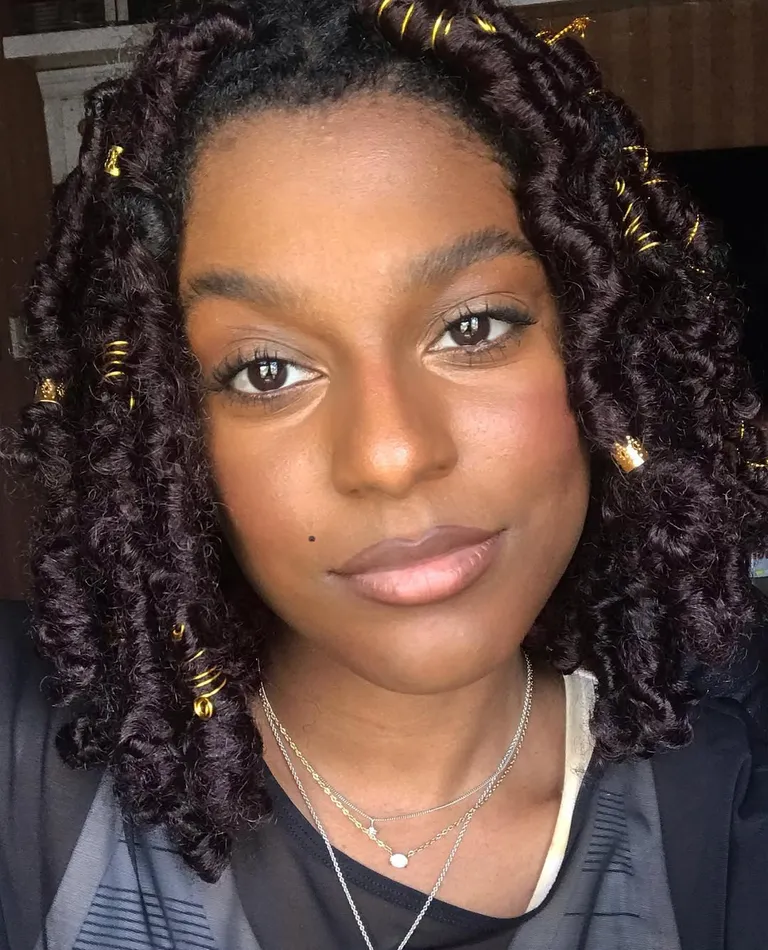
Faux locs create the appearance of traditional locs using wrapped extensions. They provide the beauty of locs without the long-term commitment and are available in various textures, lengths and finishes. Marley hair is often used for a more natural look.
9. Ponytail Braid
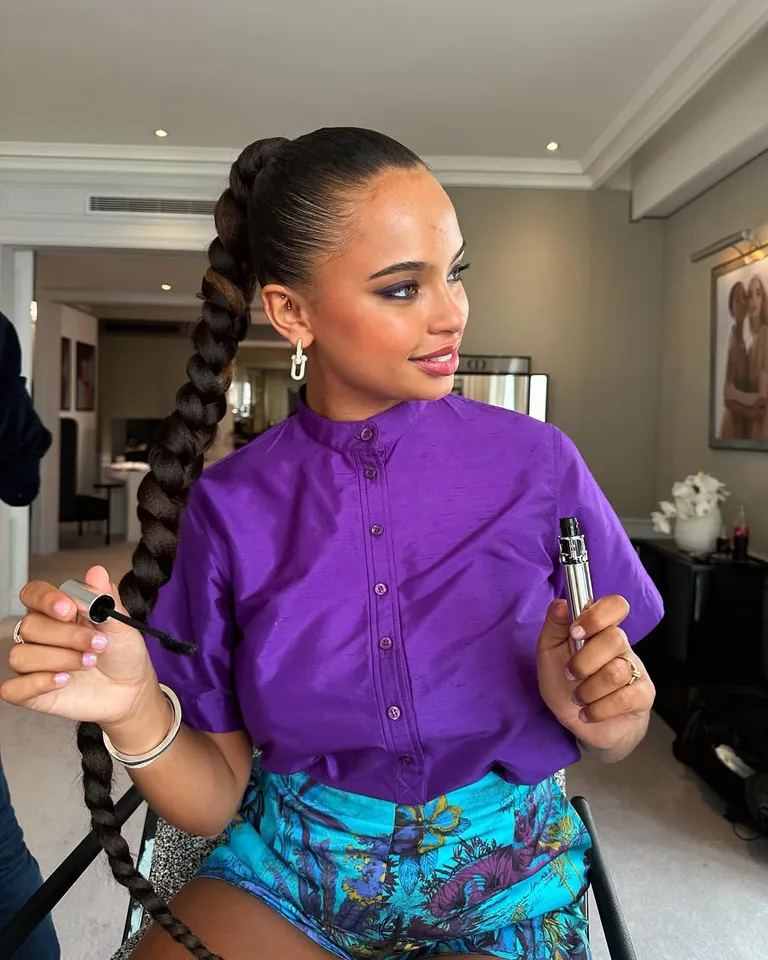
Elegant and effortless, the ponytail braid features a sleek base with a long braided ponytail. Whether styled high, low or to the side, it delivers a polished finish. A strong-hold gel and a wrapped hair section around the base help elevate the final look.
10. Bubble Braids
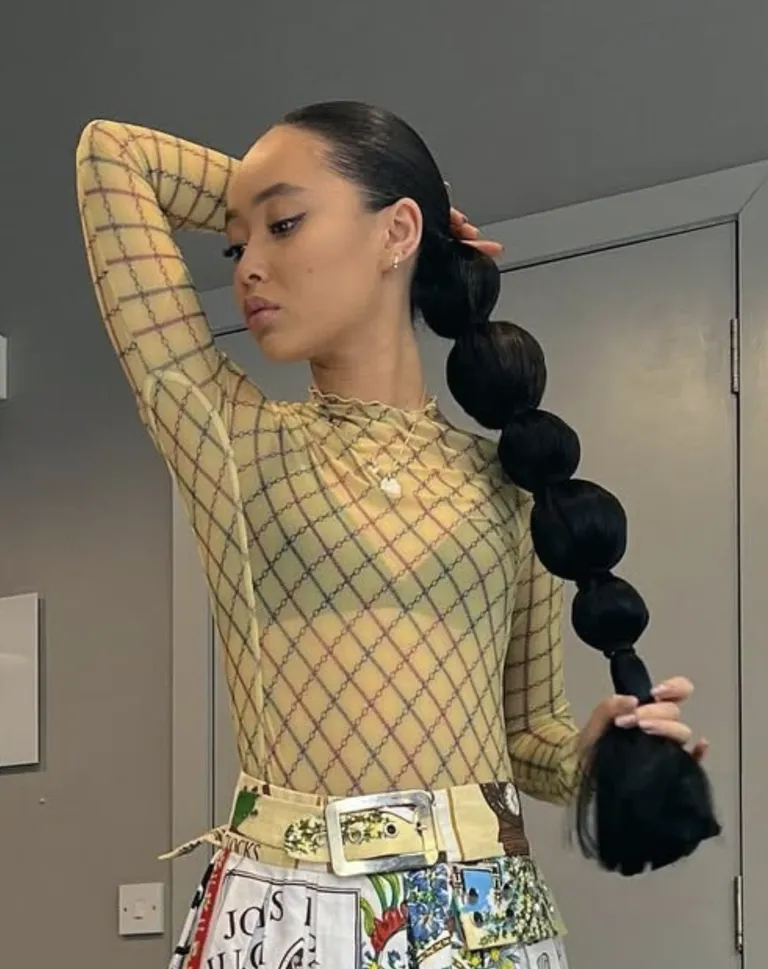
Although technically not braids, bubble braids deserve a place on the list. Created by securing ponytails with elastics at intervals, each section is gently pulled apart to create rounded “bubbles.” They are playful, trendy and surprisingly easy to achieve.
11. Passion Twists
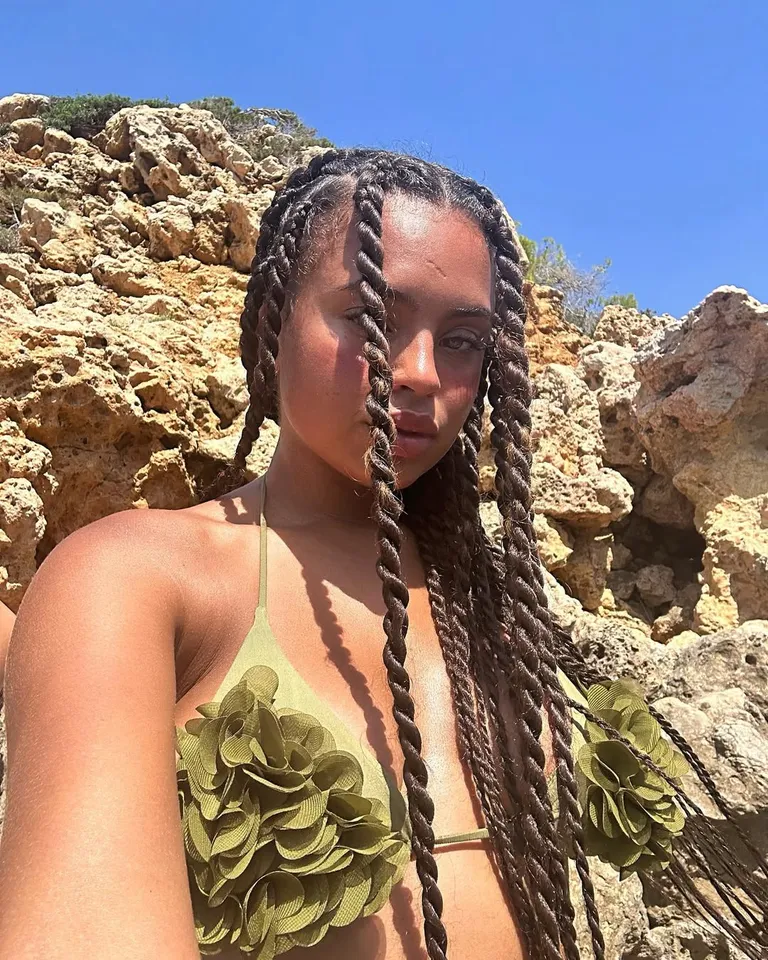
Passion twists are a protective style created using two-strand twists and curly extension hair. They have a soft, bohemian feel with plenty of texture and movement, making them ideal for those who love a carefree aesthetic.
12. Braid Bob
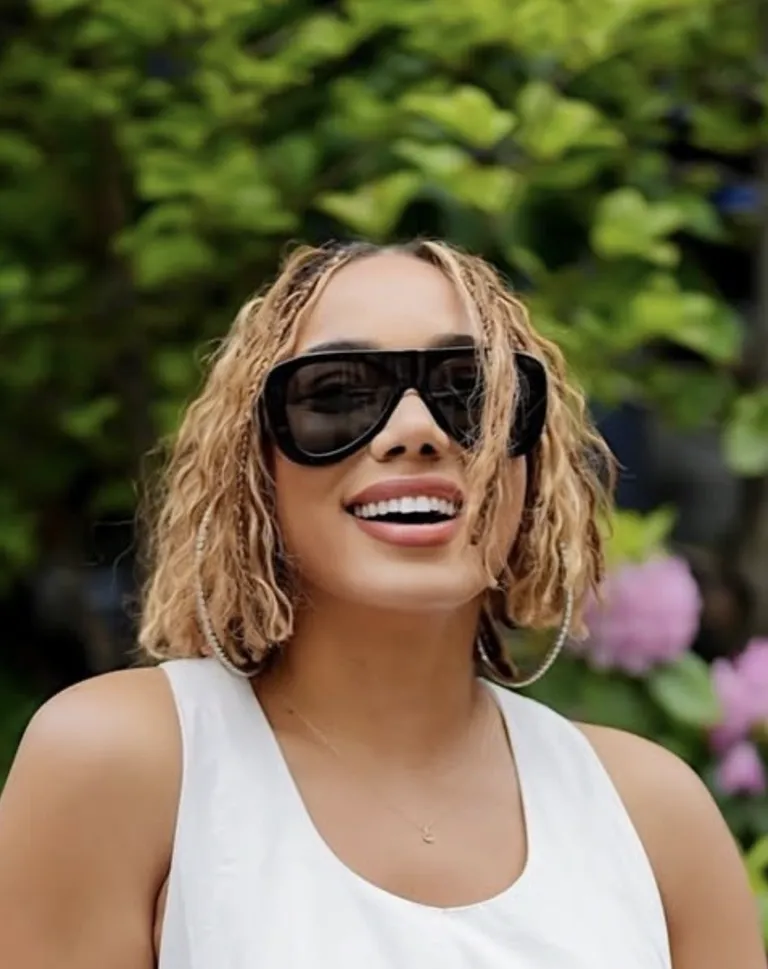
The braid bob combines the sophistication of a bob haircut with the practicality of braids. This shorter braided style beautifully frames the face and requires less maintenance than longer braided looks, making it perfect for warmer seasons.
13. Bantu Knots
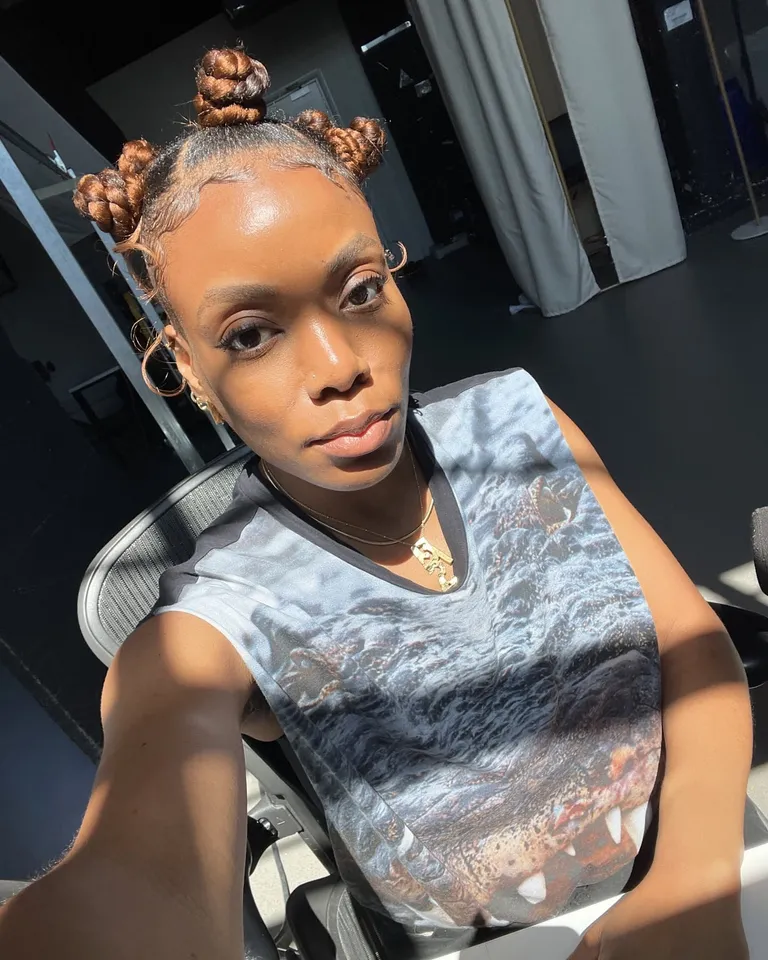
Rooted in African heritage, Bantu knots are created by twisting sections of hair into small coiled knots across the head. They can be worn as a statement style or unravelled later to create beautifully defined curls.
14. Pigtail Braids
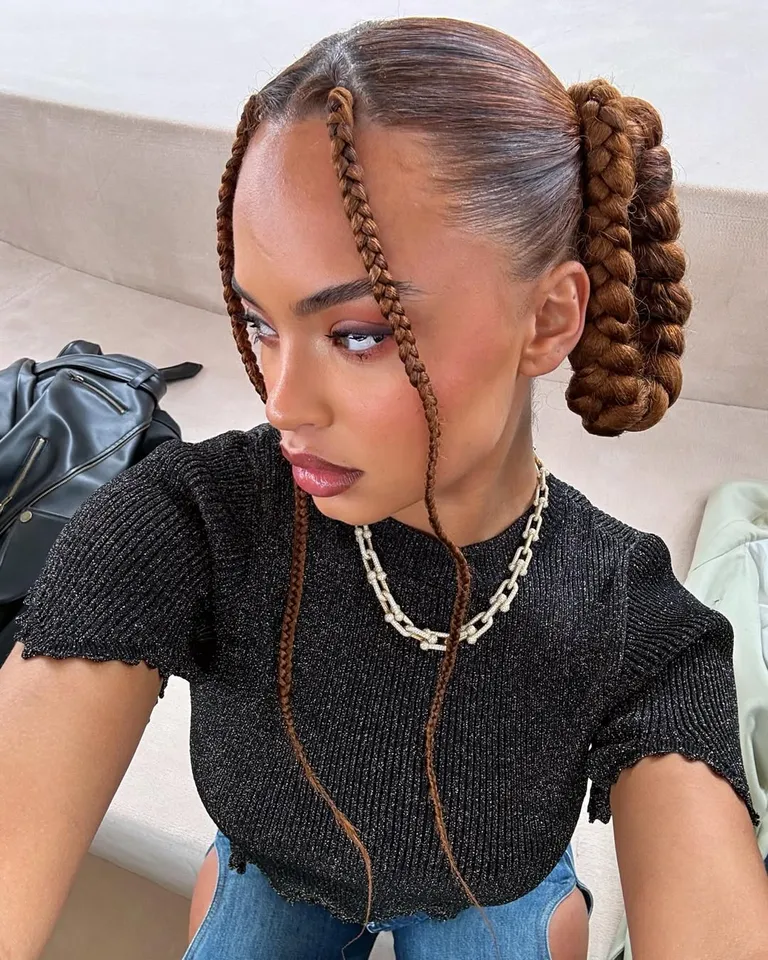
Fun, youthful and versatile, pigtail braids consist of two braids styled on either side of the head. They can be sleek and polished or intentionally undone for a more relaxed appearance. Face-framing baby braids can add extra charm.
15. Butterfly Faux Locs
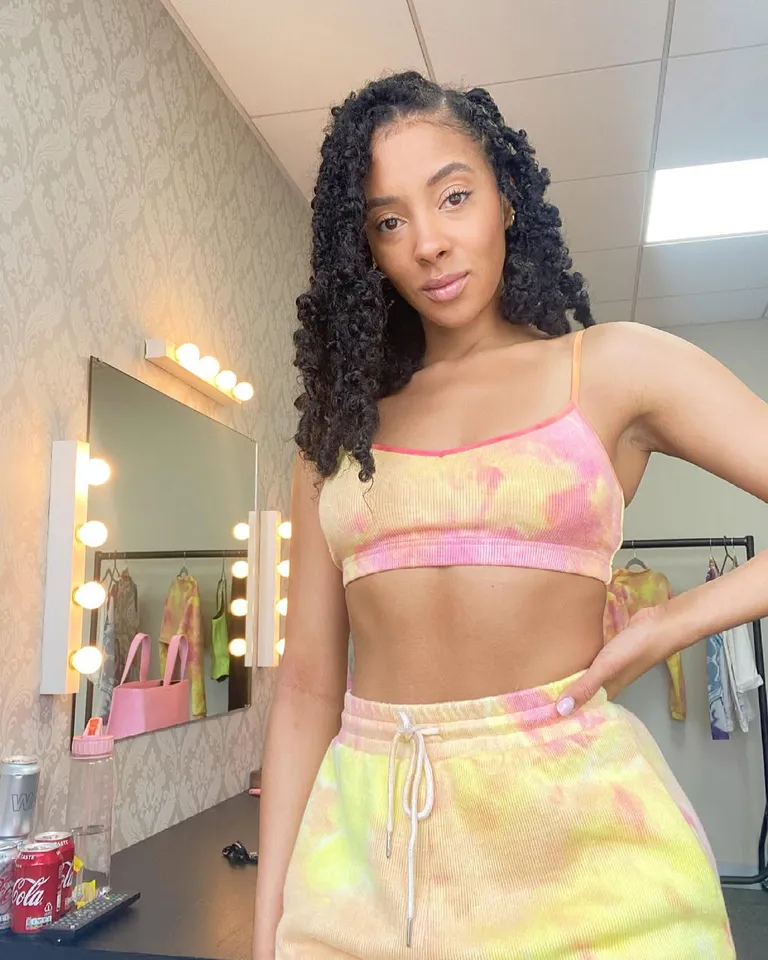
Butterfly faux locs feature a textured, slightly distressed finish with soft loops throughout the locs. Their intentionally undone appearance creates a romantic and effortless vibe while maintaining the benefits of a protective style.
16. Jumbo Braids
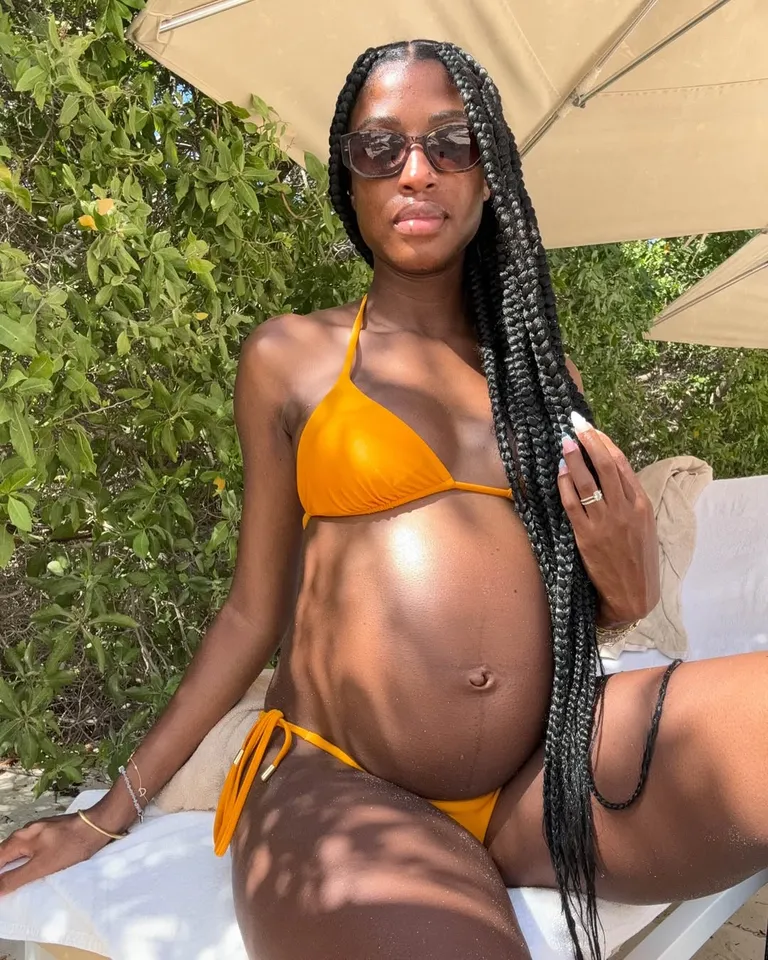
Jumbo braids are larger, thicker braids designed to make a bold statement. Because fewer sections are required, installation is generally quicker than smaller braid styles, making them a practical and stylish option.
If traditional synthetic braiding hair tends to irritate your scalp, consider trying plant-based alternatives made from banana fibre. They closely resemble conventional braiding hair while offering a gentler experience and a more environmentally conscious option.
How Long Should You Keep Braids In?
Most braided styles can comfortably be worn for around four to six weeks, depending on the braid type and how well they are maintained. Leaving them in for too long may lead to matting, tangling and breakage. If you notice excessive frizz, buildup, overgrowth or persistent scalp irritation, it is usually time to remove them.
Top tip: To keep braids looking fresh, Tosin Johnson, owner of SIMPLYGorgeous, recommends lightly misting them with water and braid spray every few days. She also suggests sleeping with a satin bonnet or scarf to minimise friction and prevent frizz.
How Do You Keep Braids Clean?
Keeping braids clean is more about caring for the scalp than saturating the entire hairstyle. Use a gentle cleanser or diluted shampoo in an applicator bottle to target buildup directly on the scalp, then rinse carefully.
Johnson recommends starting with a thoroughly cleansed and hydrated scalp, suggesting products such as The Steam Bar Scalp Shampoo (£30). For boho, mermaid or goddess braids, she advises blending curly human hair throughout the style and maintaining bounce with a curl-defining mousse. Heavy oils should be avoided to prevent curls from becoming matted or stringy.
Top tip: Wearing a wig cap while washing braids can help preserve neat partings and reduce frizz. Rosemary oil can also be used sparingly to maintain moisture levels while protecting delicate edges.
How to Prep Hair Before Braiding
Healthy braids begin with healthy hair. Before braiding, cleanse your hair thoroughly, apply a deep conditioner and ensure your strands are properly hydrated. This creates the ideal foundation and helps reduce the risk of breakage.
“Always prep your hair with a hydrating leave-in conditioner before braiding to ensure it stays moisturised underneath the style,” says Johnson. “Wrapping your hair at night also helps prevent frizz.”
Claire Martin, curl educator at The Doux UK, recommends using a base gel for neat sections, such as The Doux Push It! Honey Braid & Edge Gel (£14), followed by a foam like The Doux Mousse Def Texture Foam (£16) for smooth, frizz-free results. She also suggests sealing in moisture with coconut, rose, avocado and monoi oils.
Johnson further recommends applying a strengthening treatment such as Mielle Rosemary Mint Scalp & Hair Oil (£11) before braiding and lightly refreshing the hair with water and braid spray every few days.
How to Protect Your Scalp While Wearing Braids
Scalp care remains essential while wearing braids. Avoid styles that are excessively tight and regularly nourish your roots with lightweight, soothing products. Aloe-based sprays and gentle scalp oils can help relieve dryness and irritation.
Johnson advises wrapping your hair with a silk or satin scarf each night to minimise friction and maintain hydration. Lightly misting the scalp with water and braid spray every few days can also help keep it balanced and comfortable.
Top tip: Choose lightweight extensions where possible and maintain a clean scalp with a gentle shampoo and protective washing techniques.
Can You Work Out or Swim with Braids?
Absolutely. Braids are designed to handle an active lifestyle, including swimming and exercise. After workouts or swimming sessions, rinse your scalp to remove sweat, chlorine or saltwater and gently pat the braids dry using a microfiber towel.
If you swim regularly in chlorinated pools, wearing a swim cap can provide additional protection. Most importantly, ensure your braids are completely dry after exposure to water to help maintain both scalp health and the longevity of the style.
